
Magnetite beneficiation plant equipment production process
The production process of magnetite beneficiation plant equipment is to use the difference in magnetic conductivity of magnetite for separation. It has been used for a long time in the history of mineral processing and also occupies an extremely important position in the field of iron ore beneficiation. Magnetic separation has many advantages in the separation of iron ore, such as energy saving, high efficiency, and high beneficiation index. Especially for the beneficiation of magnetite, magnetic separation is almost the only beneficiation method. Reasonable magnetic separation production line, magnetic separation process and method, and supporting equipment play a very important role in the magnetic separation of iron ore.
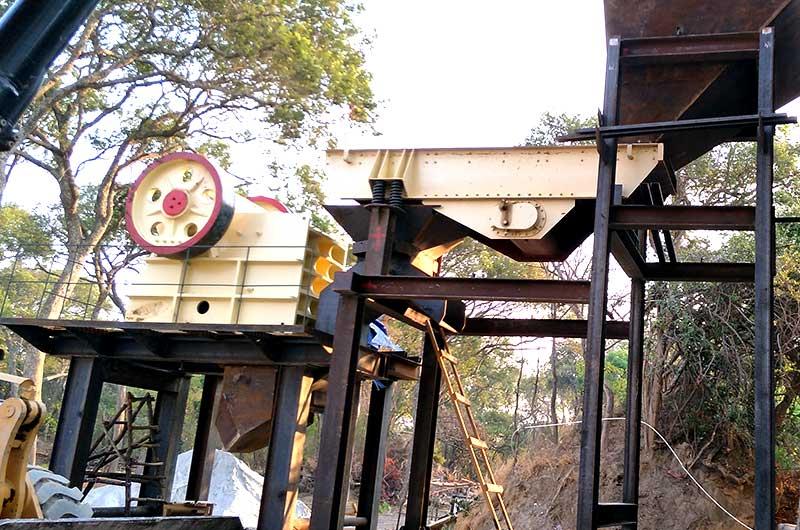
The production process for magnetite concentrator equipment generally follows the following steps: (silo) ---- feeder ---- jaw crusher ---- cone crusher ---- ball mill ---- spiral classifier ---- magnetic separator (for fine powder). Conveyors can be used to connect the intermediate machines to complete the entire production process.
The specific steps in the magnetite concentrator equipment production process are as follows: After two crushing stages, the raw magnetite ore enters the screening process, where it is separated into two particle sizes: +30mm and -30mm. Particles larger than 30mm enter the fine crushing process for further crushing, while particles smaller than 30mm enter the dry magnetic separator for pre-selection. The dry magnetic separator primarily performs pre-selection of coarse particles, discarding a large amount of waste rock and low-grade ore. This process is suitable for magnetite ores with coarse interpenetration and uneven iron distribution. The coarse concentrate from the dry magnetic separator enters a hopper. An electromagnetic vibrating feeder is installed below the hopper, evenly feeding the coarse concentrate into a ball mill for grinding. The ground material is then classified by a classifier before entering the magnetic separation process. The magnetic separation process for magnetite concentrator equipment is divided into three stages. The first stage is the roughing process, which uses a high magnetic field intensity to recover the majority of the iron ore in the milled product. The second stage is the concentrating process, which primarily aims to improve the grade. While this second stage magnetic separation yields a large portion of the iron concentrate, the tailings still contain a certain amount of undissociated iron ore, necessitating tailings recovery. This tailings recovery process is used to recover the tailings from the second stage, followed by further grinding and classification before re-entering the magnetic separation process. This process setup is very helpful in improving the concentrate grade and overall recovery rate, making it an essential process for any large-scale iron ore magnetic separation plant. The magnetically separated concentrate is then concentrated in a concentrator or settled in a sedimentation tank to obtain the final concentrate.
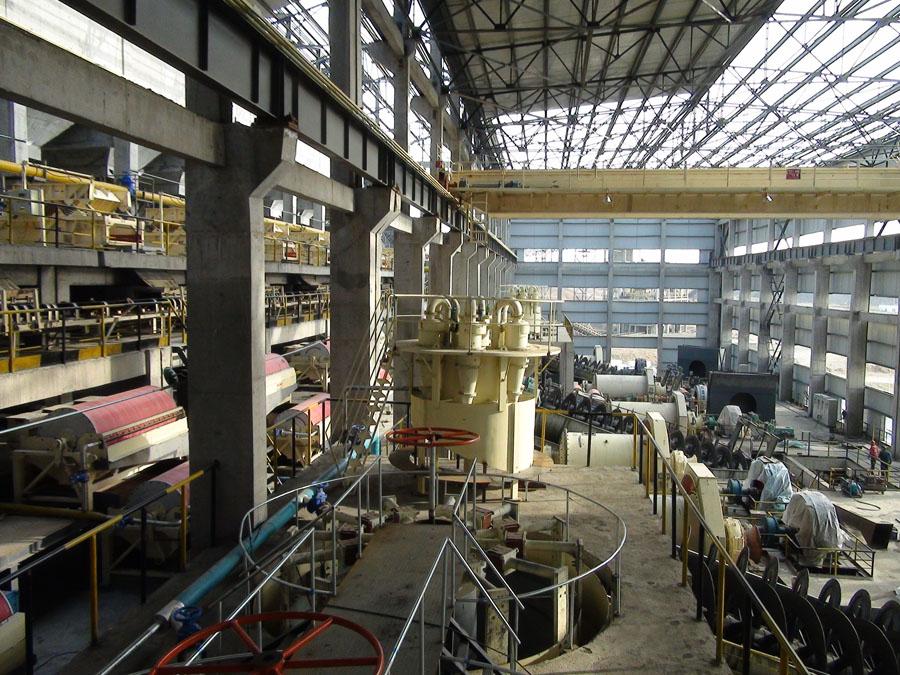
Magnetite beneficiation plant equipment is designed to process highly magnetically conductive iron ores, such as magnetite. Magnetic separation equipment is available for coarse, medium, and fine iron ore. Beneficiation results can be achieved by designing different beneficiation processes and equipment configurations based on actual conditions. Generally, for various types of magnetite, with a rational magnetic separation process design and scientific equipment configuration, concentrate grades exceeding 63% and recoveries exceeding 95% can be achieved.
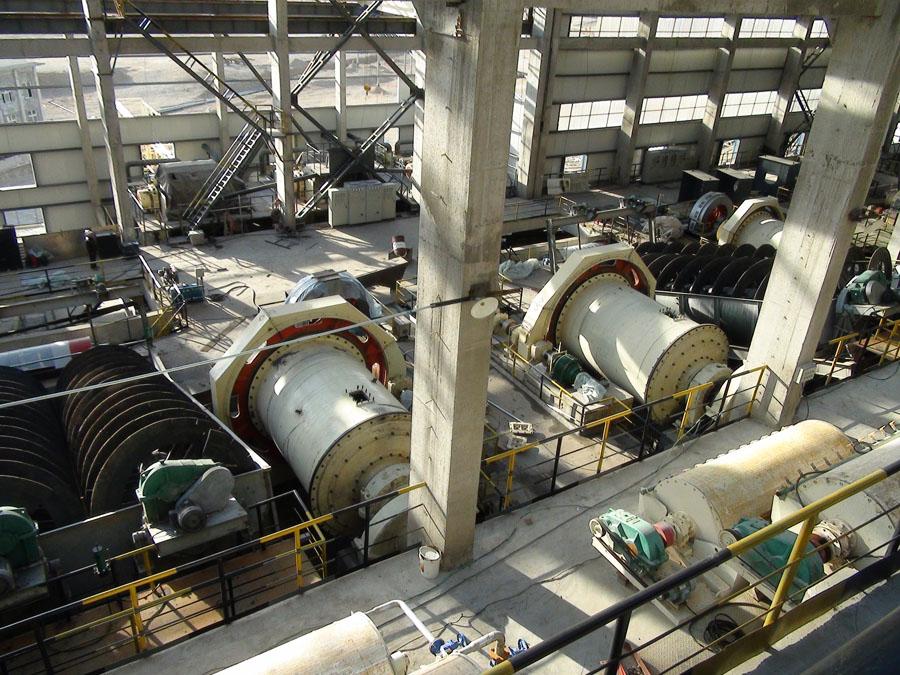
With the continued rapid development of the global economy, demand for iron ore from steel companies has grown rapidly, further stimulating the development of the iron ore beneficiation industry. Among the many types of iron ore, magnetite beneficiation is the core of iron ore beneficiation. Common magnetite beneficiation equipment production processes include single magnetic separation and weak magnetic separation-reverse flotation.
I. Magnetite Concentrator Equipment Production Process - Introduction to the Single Magnetic Separation Process for Magnetite:
Single magnetic ore is primarily a sedimentary metamorphic type of magnetite. The iron minerals in the ore are primarily magnetite, predominantly finely interbedded. Gangue minerals are primarily silicates such as quartz and hornblende, some containing high concentrations of iron silicate. This type of magnetite is a strongly magnetic mineral with a simple ore composition. Using weak magnetic separation, high-grade iron concentrate with high recovery can be obtained. Generally, when the grinding particle size is greater than 0.2-0.3mm, a single-stage grinding-magnetic separation process is often used; when the grinding particle size is less than 0.2-0.3mm, a two-stage grinding-magnetic separation process is used. If coarse grinding is sufficient to separate qualified tailings, a staged grinding-magnetic separation process is used. If the ore is mixed with a certain amount of surrounding rock or if a certain amount of individual gangue minerals is produced in the ore products after each stage of crushing, a dry magnetic separator is used for pre-selection before grinding. In addition, for low-grade, lean magnetite ores, most magnetite concentrators often use coarse dry magnetic separation to discard tailings before the raw ore enters the mill to increase processing capacity, selectivity, and reduce production costs. However, for ultra-lean magnetite ores with a grade below 20.00%, due to the extremely low grade and the small difference in grade between the ore and the surrounding rock, dry magnetic separators are not very effective. Therefore, the ultra-fine crushing-wet magnetic separation and tailings discarding process can be adopted before entering the mill, that is, the ore is crushed to less than 5mm-3mm, and then wet magnetic separation and tailings discarding is carried out using a permanent magnetic mid-field magnetic separator, which can effectively improve the utilization rate of ultra-lean magnetite ore and the quality of the final iron ore concentrate.
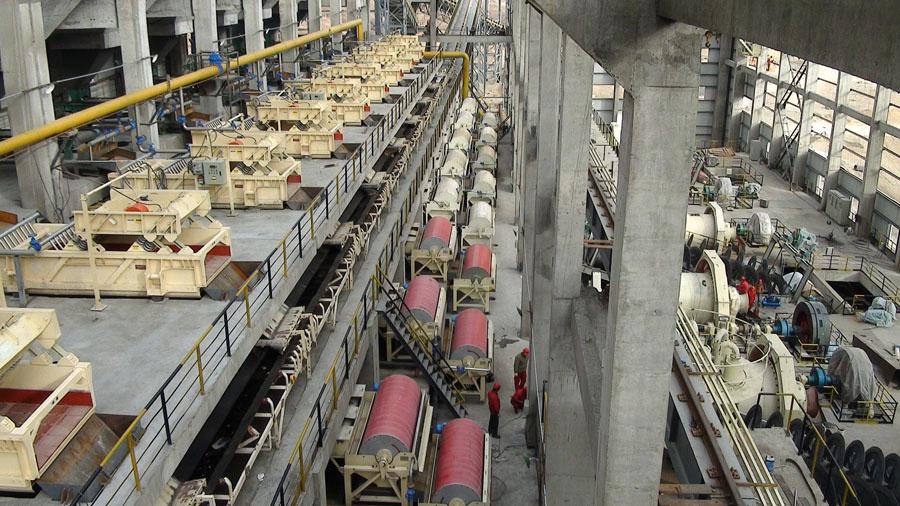
II. Magnetite Concentrator Equipment Production Process - Introduction to the Weak Magnetic Separation-Reverse Flotation Process for Magnetite:
When the magnetite gangue contains silicate or carbonate minerals, and is associated with cobalt pyrite, chalcopyrite, and apatite, a weak magnetic separation-reverse flotation process can be used. This involves using weak magnetic separation to recover iron, followed by reverse flotation to recover sulfides or apatite.
Depending on the reagent system, especially the type of collector, the weak magnetic separation-reverse flotation process can be divided into weak magnetic separation-cationic reverse flotation and weak magnetic separation-anionic reverse flotation.
1. Magnetite Concentrator Equipment Production Process - Introduction to the Weak Magnetic Separation-Cationic Reverse Flotation Process:
This method uses starch as a magnetite depressant and amines such as dodecylamine as collectors. It requires a low slurry temperature (above 25°C) and a neutral slurry, making it particularly suitable for processing magnetite ores with high silicon content. The process has a simple reagent system, a low flotation temperature, is suitable for on-site application, is easy and reliable to operate, can be adjusted quickly, and has strong adaptability to changes in process flow.
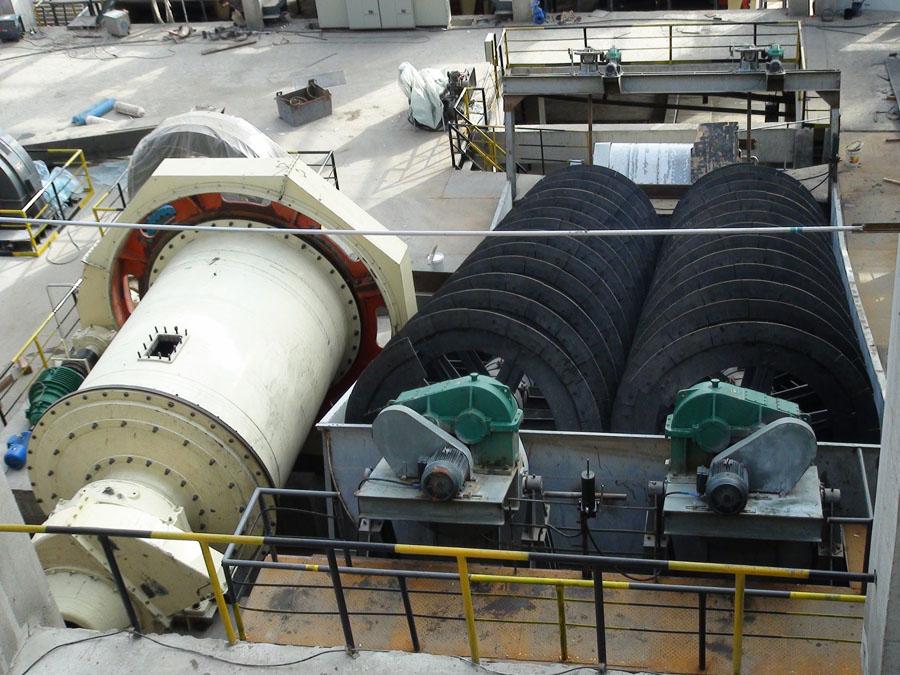
2. Magnetite Concentrator Equipment Production Process - Weak Magnetic Separation-Anion Reverse Flotation Process Introduction:
This method produces non-sticky flotation foam, relatively stable performance, and virtually no corrosion to rubber. However, anion reverse flotation requires a wide variety of reagents and a relatively high flotation slurry temperature (above 30°C). The slurry is alkaline, facilitating pipeline transportation and direct filtration of the concentrate, but acid treatment is required before filtration. The weak magnetic separation-anion reverse flotation process is suitable for magnetite ores rich in iron silicate minerals. Because the strongly alkaline medium selectively activates siliceous minerals and suppresses iron minerals, the floatability difference between iron and siliceous minerals is significant, improving flotation selectivity. This process can produce high-quality iron concentrate while simultaneously discarding low-grade tailings. It also exhibits excellent adaptability to variations in the properties of the incoming flotation material.
The weak magnetic-reverse flotation system in magnetite concentrators combines magnetic separation with reverse flotation, resolving issues such as difficulty improving the concentrate grade of iron ore and the high silica content in iron concentrate. This system leverages complementary advantages in the magnetite separation process. Compared to single magnetic separation processes, anionic and cationic reverse flotation offers greater flexibility and a wider variety of reagents, resulting in more effective anionic and cationic reverse flotation. This enhances process adaptability and improves quality.
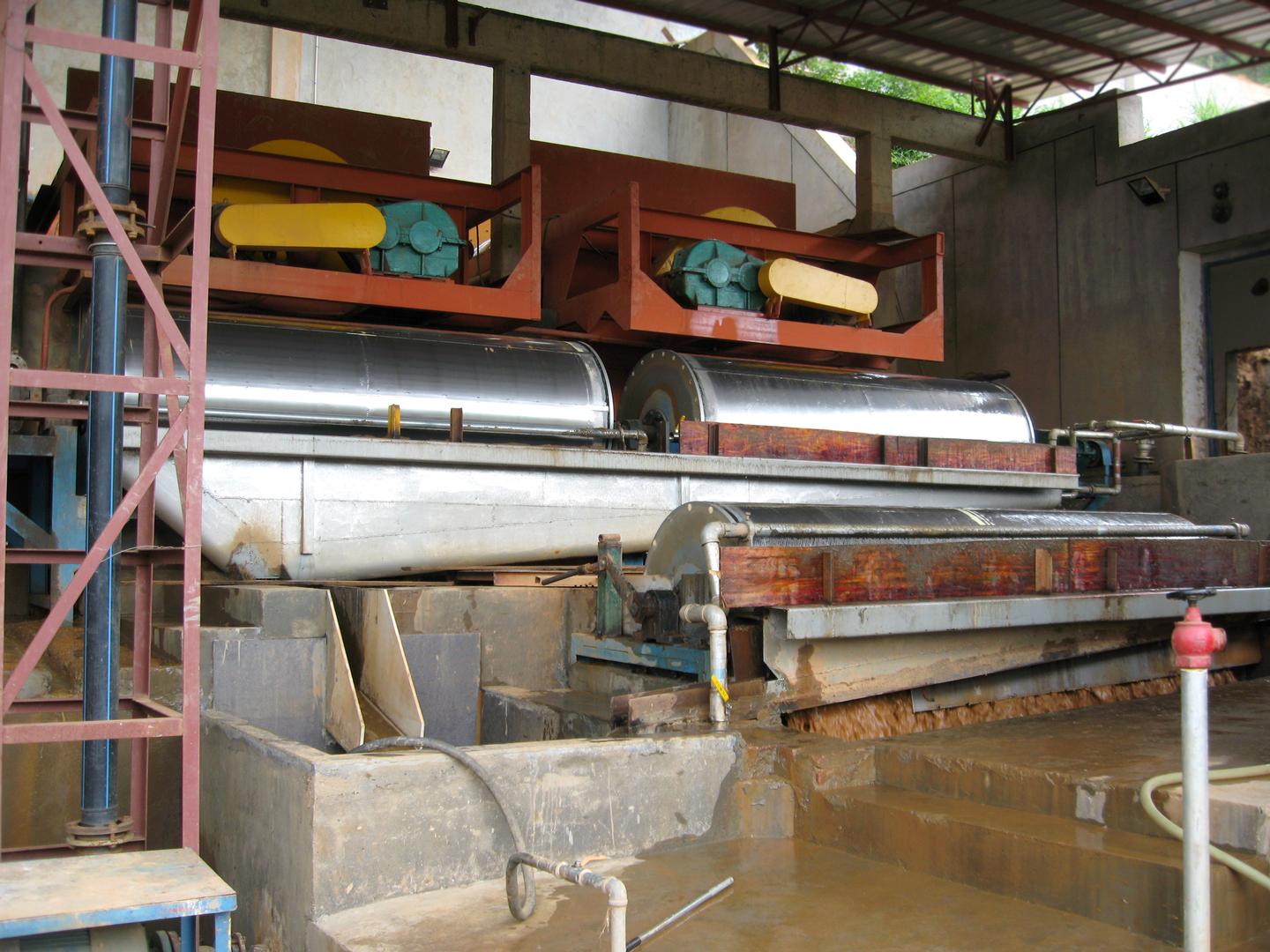
III. Magnetite Concentrator Equipment Production Process - Full Magnetic Separation Process Introduction:
For a long time, most magnetite concentrators have used conventional drum magnetic separators for magnetite concentrating. Despite extensive technical improvements in separator specifications, feed methods, and trough structures, strong "magnetic agglomeration" reduces selectivity during the magnetic separation process, resulting in "magnetic" and "non-magnetic" inclusions. This results in consistently high SiO2 content in the final magnetite concentrate, reaching over 6.5%. To obtain high-quality iron ore concentrate, some concentrators have opted for various full magnetic separation processes. Using new magnetic separation equipment, industrial trials have achieved advanced standards of iron ore concentrate grades exceeding 69% and SiO2 contents less than 4%. For example, Benxi Iron and Steel's Waitoushan and Nanfen concentrators use magnetic separation columns to effectively separate quartz conglomerates from iron ore concentrate. The concentrate iron grade can be increased to approximately 69.5%, and the SiO₂ content in the concentrate can be reduced to below 4%. The tailings grade and metal recovery rate remain essentially unchanged, with the added processing cost being less than 20 yuan/ton.
The full magnetic separation process, a magnetite concentrator equipment production process, relies primarily on a combination of various new magnetic separation equipment to effectively separate magnetite. Typical equipment includes magnetic separation columns, high-frequency vibrating fine screens, magnetic field screeners, magnetic aggregators, and demagnetizers. These devices, combined with traditional weak magnetic separation equipment, have greatly advanced magnetic separation technology. Compared with reverse flotation for iron and silicon reduction, the full magnetic separation process offers advantages such as simplicity, reliability, reduced investment, short construction period, low operating costs, and no environmental pollution. However, the widespread use of the full magnetic process has certain limitations, and it often fails to achieve satisfactory performance for magnetite with embedded fine particles.
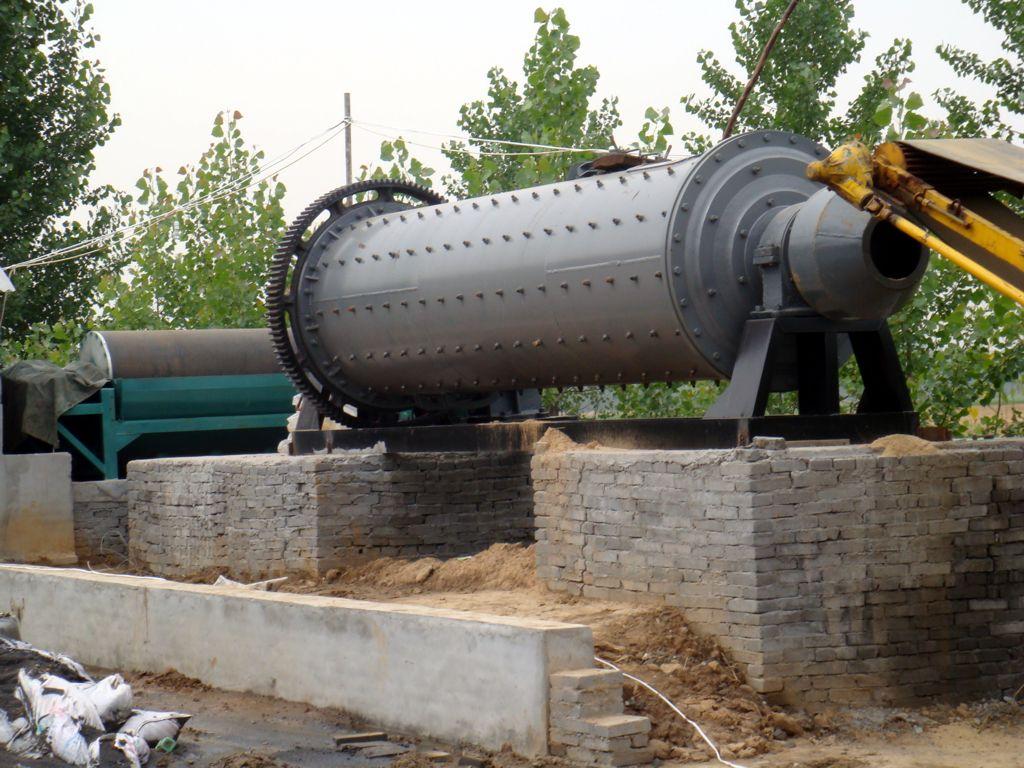
IV. Magnetite Concentrator Equipment Production Process - Ultra-Fine Crushing and Wet Magnetic Separation and Tailings Disposal Process Introduction:
This process involves finely crushing the ore to a size of 5mm or less than 3mm, followed by wet magnetic separation and tailings disposal using a permanent magnet mid-field high-intensity magnetic separator. This process is particularly important for energy conservation and cost reduction, the effective utilization of extremely low-grade iron ore, and improving the quality of the final iron concentrate. To develop and utilize iron ore with a grade below 20%, Magang Gaocun Iron Mine conducted a pilot study using a high-pressure roller mill to crush the ore to a size of less than 3mm. Mid-field high-intensity wet magnetic separation was then used to discard 40% of the coarse tailings, raising the iron grade of the mill feed to approximately 40%. After regrinding and re-selection, the final iron concentrate was obtained. This process achieved a final iron concentrate grade exceeding 65%, with the S1O2 content reduced to below 4%, and a tailings grade below 10%. In addition, Shandong's Laiwu Iron Ore and Jinling Iron Ore mines utilize a hammer crusher-wet permanent magnet field high-intensity magnetic separation process. Over 80% of the incoming material is within a 5mm particle size range, and a 30%-40% yield of coarse tailings can be discarded.
Currently, as the particle size of incoming magnetite continues to refine, the negative impact of magnetic agglomeration on separation is becoming increasingly pronounced, along with a significant increase in magnetic and non-magnetic inclusions. Therefore, it is recommended that each magnetite concentrator conduct beneficiation trials to gain a detailed understanding of its own iron ore properties. Taking into account factors such as plant conditions and investment budget, the company can then tailor its magnetite concentrator equipment and production processes to meet its specific needs.
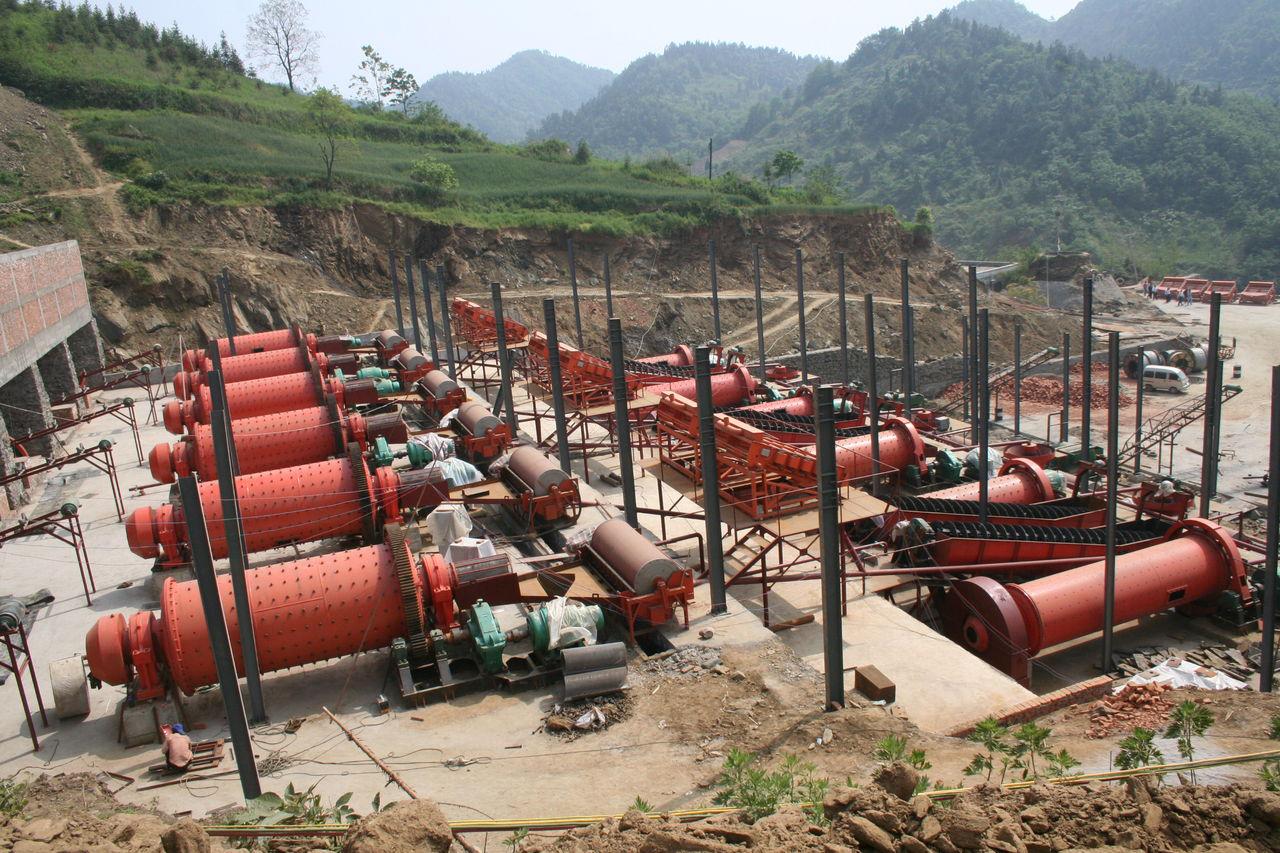
The overall production process of magnetite concentrator equipment can be divided into three parts: crushing, grinding, and sorting. The specific operational process is as follows:
1. Crushing Process of Magnetite Concentrator Equipment Production Process: Due to the high hardness of this iron ore, a large jaw crusher is used for coarse crushing. A vibrating feeder is installed before the crusher to evenly feed the raw material into the jaw crusher while screening the raw ore into two particle sizes: +75mm and -75mm. The +75mm particle size enters the jaw crusher for coarse crushing, while the -75mm particle size enters the cone crusher for crushing.
2. Grinding Process of Magnetite Concentrator Equipment Production Process: Due to the high hardness of this ore and the extremely fine particle size distribution, a conventional single-stage grinding process is unable to achieve the required yield and monomer dissociation degree. This process uses a two-stage grinding process, which not only reduces ore sliming and reduced mill efficiency caused by over-grinding, but also increases yield and achieves the required grinding fineness.
3. Magnetite Concentrator Equipment Production Process: The concentrating process utilizes a permanent magnetic drum magnetic separator. The first stage uses one magnetic separator, and the second stage uses one roughing magnetic separator and one concentrating magnetic separator to achieve a concentrate grade of 63 or higher. This concentrating process incorporates a demagnetization step to remove the magnetism inherent in the mineral after magnetic separation, preventing magnetic chain formation that could affect concentrate grade.
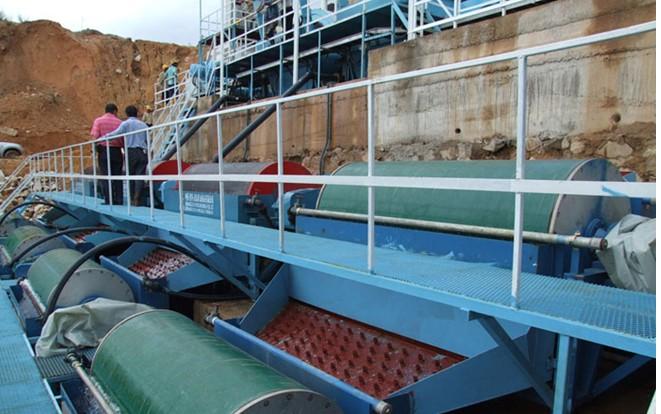
The main aspects of magnetite concentrator equipment production process design include: design scale and indicators, work system and equipment utilization rate product plan, process flow, equipment selection, production testing, automation, storage and maintenance facilities, workshop organization, plant building and equipment configuration, production safety and environmental protection, project budget, and technical and economic indicators. Process flow design is crucial and is briefly described below.
In magnetite concentrator equipment production process design, the primary basis for separation process design is the separation process recommended by the selectivity test. Process development can also refer to the production practices of mines with similar ore properties. The final process flow is determined after necessary comprehensive technical and economic comparisons. Depending on the properties of different ores, the separation method, number of stages, and number of cycles in the separation process vary. The flotation process also involves issues such as the number of clean and scavenger runs and the handling of middlings. The selection process in the production process design of magnetite concentrator equipment is based on four basic principles: 1. Advanced, reliable, efficient, and low-energy consumption; 2. Prioritizing the grinding and selection processes; 3. Comprehensive recovery of useful minerals; and 4. Compliance with relevant environmental regulations. Crushing and grinding are essential in the ore selection process. Flotation is the primary method for separating non-ferrous metals such as copper, lead, and zinc. Magnetic separation can be used to improve the quality of iron concentrates when separating ferrous metals such as iron ore. Gravity separation is the primary method for separating ores such as tungsten and tin.
The production requirements of users and investors in the magnetite beneficiation production line vary, so the production process components of the corresponding magnetite beneficiation plant equipment will also vary. For example, if some users have different requirements for concentrate taste, the number of magnetic separators in the beneficiation process will be reduced. Furthermore, because the price of each equipment model varies, different manufacturers will also have different quotes for complete equipment sets. Some manufacturers will also provide relevant discounts for purchasing complete equipment sets. In short, these factors alone affect the price of complete magnetite beneficiation equipment sets. For the specific price of complete magnetite magnetic separation equipment sets, you need to consult the specific manufacturer online.



