
What equipment does a mineral washing plant need?
What equipment is needed for a mineral washing plant? According to the production process of the mineral washing plant, mineral washing plant equipment is mainly divided into crushing equipment, grinding equipment, screening and grading equipment, magnetic separation equipment, washing equipment, gravity separation equipment, concentration equipment, drying and calcining equipment. The development of mineral washing plant equipment and mineral processing technology is synchronized, with technology being the leading factor and equipment being the foundation. The birth of a new type of mineral washing plant equipment often brings about changes in mineral processing technology. The technical level of mineral washing plant equipment is not only a prerequisite for the technological level, but also directly affects the smooth flow and application of the production process. The progress of science and technology, the mutual penetration between various scientific branches and the mutual integration between various industries, the endless emergence of new structures, new materials, new technologies and new processing technologies, and the widespread application of mechatronics and automatic control technology have effectively promoted the continuous innovation of mineral processing equipment and its development towards high efficiency and energy saving.
What equipment does a ore washing plant need? Common ore washing plant equipment includes vibrating feeders, jaw crushers, spring cone crushers, hydraulic cone crushers, circular vibrating screens, belt conveyors, trough washers, spiral washers, drum washers, grate ball mills, overflow ball mills, rod mills, magnetic separators, flotation machines, jigs, spiral chutes, shaking tables, etc.
Ore washing plant equipment consists of two operations: fragmentation and separation. The fragmentation process primarily utilizes water scouring and saturation to expand and fragment the clay, sometimes supplemented by mechanical impact, stirring, and grinding to accelerate the fragmentation process. Separation primarily separates the clay from the ore particles based on particle size. Depending on the particle size characteristics of the raw ore, separation can involve wet screening, hydraulic classification, or both. Ore washing plant equipment is used to process clay-based iron ore, manganese ore, apatite ore, and placer ores containing gold, platinum, tin, and tungsten. Ore washing plants are also used to process construction sand and gravel, as well as ceramic raw materials. When sorting ores from certain hematite and limonite deposits that have undergone severe slope or residual slope oxidation, the cementing clay, which contains very little iron minerals, can be discarded as the final tailings after washing, leaving the resulting lump ore as the final product. When sorting clay, the clay and impurities (crushed stone, mica, etc.) are dispersed by washing, and then separated, concentrated and filtered to obtain high-quality clay. At this time, washing becomes the main sorting operation.
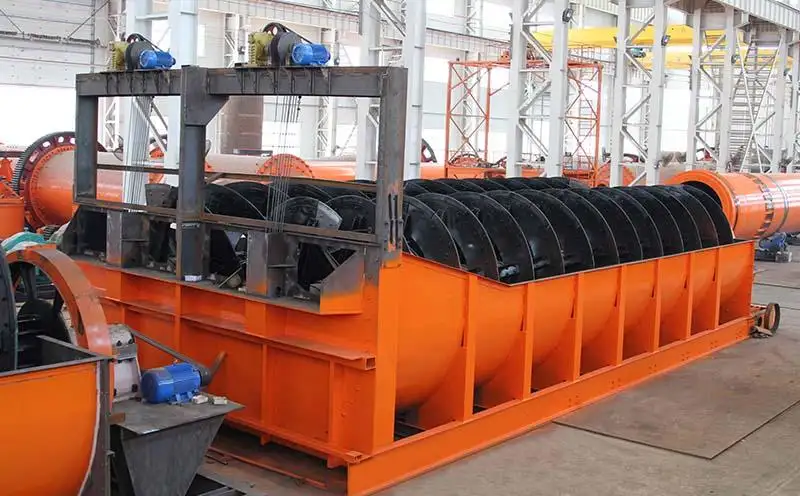
What equipment is needed for an ore washing plant? Spiral washers are suitable for pre-processing silt removal from high-mud ores such as iron, manganese, limestone, and tin. They can agitate, rinse, separate, and desludify the ore. They are also suitable for cleaning stone materials in construction and power plants, with a flushing water pressure of <147-196 kPa. Spiral washers utilize the buoyancy of water to separate dust and impurities from sand. The agitation of the spiral blades filters the water, removes impurities, and elevates the sand for transport. The elevating process also provides mixing, ensuring uniform sand mixing and a uniform distribution of fine and coarse sand. Spiral washers feature a long spiral, a well-sealed system, a simple structure, high processing capacity, and easy maintenance. They produce sand with low water and mud content. They are widely used in various ore mining industries. What equipment is needed for an ore washing plant? Drum washers are widely used for large, difficult-to-clean ores. These washers are available in two types: a drum type and a drum with screen bars. Drum screen washers are widely used for large, difficult-to-clean ores. They come in two types: a cylindrical type and a drum-and-screen strip type. The latter separates the washed material into two grades: +40mm and -40mm. The -40mm grade can then be further scrubbed in a double-spiral trough washer, separating it into two grades: +2mm and -2mm. Washing efficiency can reach approximately 98%, making this combination the most effective method for difficult-to-clean ores.
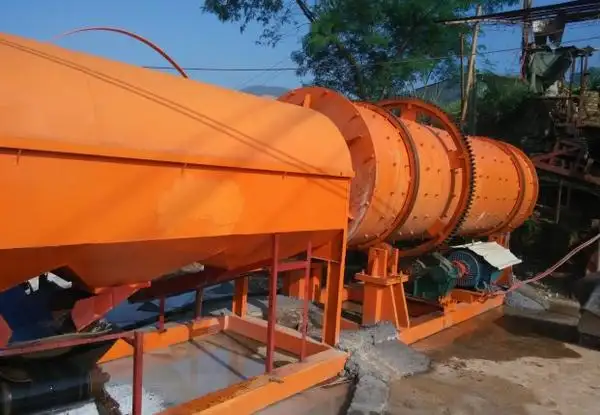
What equipment does a ore washing plant need? Trough washers are widely used for washing a variety of easy-to-wash and difficult-to-wash ores. Ore containing more than 20% mud can clog crushers and chutes. A trough washer allows ore with more than 20% mud to be agitated and scrubbed in the washer, separating the ore from the mud. The cleaned ore is discharged from the discharge port, and the muddy water is discharged from the tailings. This equipment, combined with a drum washer, is a particularly effective washing machine for difficult-to-wash ores.
What equipment does a mineral washing plant need? A jig separates mineral particles of different specific gravities into layers by specific gravity. In a vertically moving, variable-speed medium flow, the layers are separated by specific gravity, with the lighter minerals located at the upper layers and the heavier minerals at the lower layers. The separated materials are then discharged using mechanical and water flow. Jigs are suitable for separating coarse-grained mineral particles (mineral raw materials of any particle size excluding fines). Jigs are suitable for beneficiating gold placers, provided the specific gravity difference is greater than 1.25 and the ore monomers are dissociated. The lower limit particle size can reach 0.04 mm. The process is simple to operate, has a large processing capacity, and has proven effective in the roughing of gold deposits.
What equipment does a mineral washing plant need? A shaking table is a type of mineral processing equipment. It operates under a horizontal medium flow, primarily utilizing a transmission mechanism to drive the bed surface in longitudinal reciprocating motion. During this reciprocating motion, the ore particles undergo stratification perpendicular to the bed surface and stratification parallel to the bed surface, allowing materials of different particle sizes to be discharged from the intervals between the bed surfaces, achieving separation. The shaking table method is suitable for sorting finer gold ores. Depending on the ore particle size, it can be categorized into three types: coarse sand bed, fine sand bed, and sludge bed. Coarse sand beds are suitable for gold ore particles with a particle size of 0.5-2.0 mm, while fine sand beds are suitable for processing particles with a particle size of 0.074-0.5 mm and 0.074-0.037 mm. The feed size of a shaking table is generally between 0.019 and 3 mm. This ensures stable and reliable gold separation, with clear ore distribution and easier management of rich ore yields compared to other mineral processing methods.
What equipment is needed for a ore washing plant? A spiral chute is a type of mineral processing equipment that utilizes an inclined water flow for mineral processing. Under the influence of the water flow, the combined forces of gravity, the friction between the particles and the trough bottom, and other factors cause the ore particles to settle in different areas of the trough according to their specific gravity. The lighter particles are carried away by the water flow, leaving behind larger particles. Spiral chutes are suitable for processing fine-grained gold ore with low mud content and particle sizes ranging from 0.03 to 0.6 mm. They feature a simple structure, high processing capacity, and low overall cost. In addition, some gold concentrators often utilize combined beneficiation methods, such as gravity separation and cyanidation, gravity separation and flotation, and flotation and gravity separation. The selection of these equipment during the separation stage can be based on the actual beneficiation conditions and ore properties.
What equipment is needed for a mineral washing plant? Flotation machine is the abbreviation of flotation beneficiation machine, which refers to the mechanical equipment that completes the flotation process. In the flotation machine, the pulp treated with reagents is stirred and aerated, so that some mineral particles are selectively fixed on the bubbles; the particles that float to the surface of the pulp are scraped out to form foam products, and the rest are retained in the pulp to achieve the purpose of separating minerals. There are many structural forms of flotation machines, and the most commonly used is the mechanical stirring flotation machine. The main uses of mineral washing plant equipment are: (1) For red iron and limonite with a lot of clay, if the cementing clay contains little iron minerals, the mud can be discarded as the final tailings after washing, and the grade of the resulting lump ore is improved. (2) After washing, the coarse-grained waste rock without ore can be separated from the placer tin ore, and the fine-grained part can be de-mudged and selected. (3) The ore needs to be hand-selected or photoelectrically selected, and the ore mud contaminates the surface of the ore block, making it difficult to identify. In this case, the ore needs to be washed before hand-selection or photoelectric selection. (4) Ore containing a lot of mud often clogs the crusher, screen and ore bin, making production unsustainable. Ore washing can be used to treat it. (5) The original mud and ore blocks of some ores have great differences in selectivity (such as floatability, magnetism, etc.). After washing, the mud and sand are separated and processed separately to obtain better selection indicators.
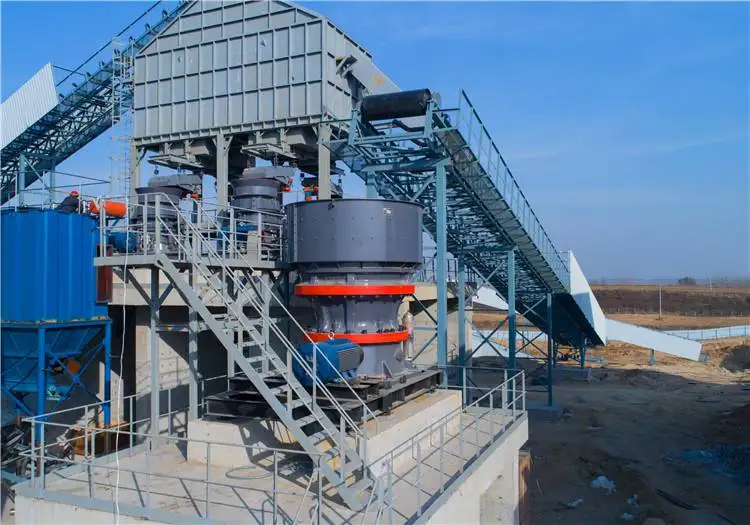
Washing Plant Equipment Applications: Ore washing chutes and drum washers are commonly used in placer ore processing and gold dredging. When processing residual slope tin and manganese ore, combined with hydraulic mining, hydraulic washers—combined ore washing systems using high-pressure water jets and various screens—are often used. In non-ferrous metal ore washing, vibrating screens (or two single-deck vibrating screens arranged in series) plus spiral classifiers are often used. In diamond ore washing, drum washers, trough washers, and scrubbers with head screens are commonly used. In some ferrous metal concentrators, vibrating screens, drum washers, and trough washers are commonly used. Phosphate ore washing generally utilizes various vibrating screens and trough washers. Each vibrating screen used in washing is a standardized screening machine with high-pressure water flushing. Drum washers are generally designed and manufactured by each mine based on specific needs. Trough washers and scrubbers generally follow Soviet standards and have a single specification.
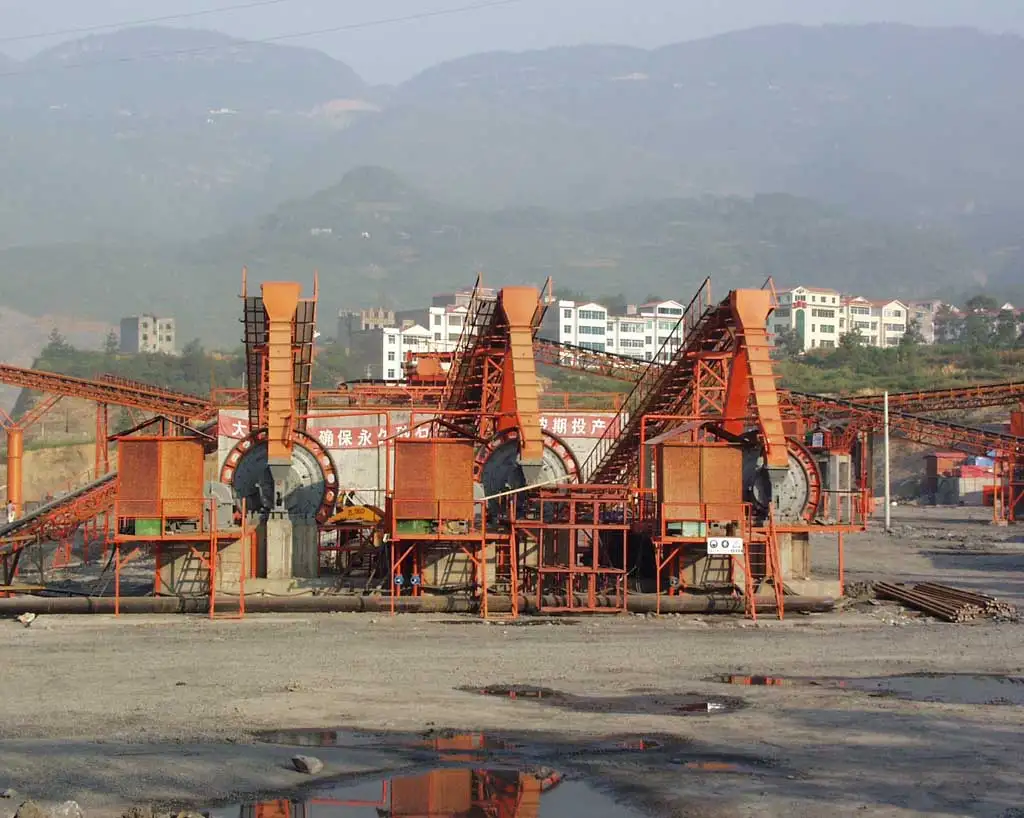
The ore washing plant equipment, including washing process flow, equipment, and operating parameters such as washing intensity and efficiency, must be determined based on the ore's washability and operational requirements. Washing processes can be categorized as those comprised of standard screening equipment or specialized washing equipment. Sometimes, a combined screening and washing process is employed. The former is often integrated with the crushing and screening processes in the concentrator's crushing plant. The screening equipment in the crushing process also serves as washing equipment, eliminating the need for specialized equipment. This process requires minimal investment and is easy to operate. It is suitable for processing easily washable ores with low clay content and low clay plasticity. Ores with high clay content, high clay plasticity, and frequent clumping require specialized washing plant equipment, requiring two or even three wash cycles to fully separate the clay from the sand. Easily washable ores generally utilize various screens and mechanical classifiers, while ores with moderate washability or difficult-to-wash properties require specialized washing plant equipment. Such as ore washing screen, cylindrical ore washing machine, trough ore washing machine, combined ore washing machine and tower ore washing machine and other ore washing equipment.
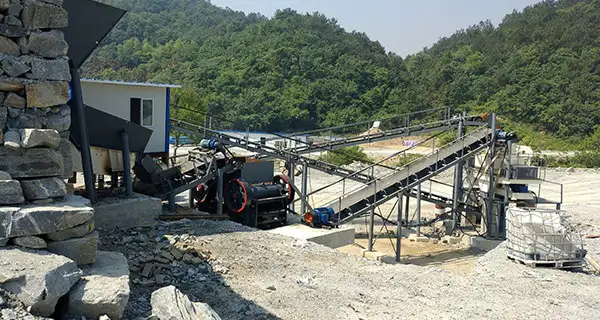
What equipment is needed for a gold washing plant? Gold deposits have high mining value, and their beneficiation processes are complex, requiring varying equipment. Currently, commonly used gold processing methods include cyanidation, flotation, and gravity separation. Specifically, the raw ore undergoes crushing, screening, grinding, and grading, followed by processing through leaching agitation tanks, flotation machines, gravity separation equipment, and other beneficiation equipment. The concentrate obtained through cyanidation, gravity separation, and flotation is then smelted using chemical methods such as gold separation agents to produce finished gold. Gravity separation utilizes differences in ore density and particle size, leveraging the combined effects of the medium fluid and various mechanical forces to create appropriate loosening and separation conditions. This process can produce products of varying densities and particle sizes. It is primarily used for separating coarse gold particles before and after flotation and leaching. Typical gold processing equipment includes jigs, shaking tables, spiral chutes, agitation chutes, flat plate chutes, and water-jacketed centrifuges. In gold ore processing plants, flotation is often used to process highly floatable gold-bearing minerals and float gold into copper and lead concentrates. This process mainly uses gold concentrate to extract gold. Its main equipment is various types of suction mechanical agitation flotation machines (SF type flotation machine, BF type flotation machine. JJF type flotation machine) and aeration mechanical agitation flotation machines (KYF type flotation machine, XCF type flotation machine).
What equipment is needed for a copper ore washing plant? The production process of a copper ore beneficiation plant can be divided into crushing equipment, grinding equipment, screening equipment, sorting (selection) equipment, and dewatering equipment. These equipment, based on their operating principle, include jaw crushers, conveyors, cone crushers, vibrating screens, dosing feeders, ball mills, spiral classifiers, flotation machines, filters, thickeners, and dryers. Using this set of copper ore processing equipment, along with the addition of appropriate copper beneficiation reagents and careful attention to copper flotation conditions, the resulting copper concentrate ideally meets Class 2-3 copper ore standards and can be directly marketed. What equipment is needed for a manganese ore washing plant? The vast majority of manganese ore in my country is low-grade and requires beneficiation. However, because most manganese ores are fine-grained or micro-grained and contain considerable amounts of high-phosphate and high-iron ores and co-existing beneficial metals, beneficiation processing presents significant challenges. Common manganese ore beneficiation methods include mechanical separation (including washing, screening, gravity separation, high-intensity magnetic separation, and flotation), as well as pyrometallurgical concentration and chemical beneficiation. The entire manganese beneficiation process involves a variety of equipment, both large and small. Here, we will introduce the key equipment, including: vibrating feeders (sandalwood feeders), PE jaw crushers, PEX jaw crushers, vibrating screens, silos, pendulum feeders, electromagnetic vibrating feeders, ball mills, spiral classifiers, high-frequency screens, mixing drums, flotation machines, thickeners, filter presses, filters, and dryers.
What equipment is needed for a fluorite ore washing plant? The fluorite ore beneficiation production line goes through stages such as crushing and screening, grinding and grading, flotation, and drying. Equipment used includes jaw crushers, ball mills, flotation machines, dryers, spiral classifiers, mixing drums, thickeners, feeders, and conveyors. The flotation machine is a key piece of equipment in the entire beneficiation line, used to select the fluorite concentrate; other beneficiation equipment is also indispensable. What equipment is needed for a fluorite ore washing plant? Equipment in a lead-zinc ore washing plant can be divided into three categories: pre-separation equipment, sorting equipment, and dewatering equipment. 1) Pre-separation equipment includes crushing and screening, and grinding and grading equipment. Its purpose is to separate the useful minerals in the raw ore into individual components, creating conditions for sorting. 2) Sorting equipment: This equipment selects the useful minerals from the lead-zinc ore based on its various properties. 3) Post-separation dewatering equipment. The concentrate obtained from wet beneficiation of lead-zinc ore contains a large amount of water and must be dewatered before being sent to smelting. Dehydration equipment usually consists of three devices: concentration equipment, filtration equipment and drying equipment.
Our company's main products include complete sets of crushing and screening equipment, the research and development of various new crushers, new screening equipment, and ore washing plant equipment. We also manufacture and develop various mineral processing production line equipment and industrial dryers. We can design and manufacture complete sets of equipment for washing, screening, crushing, chemical processing, micro-powder processing, metallurgy, and other mining and metallurgy projects according to user needs. We provide a complete service from process flow, equipment selection, manufacturing, installation and commissioning, to personnel training, and provide comprehensive after-sales service.



