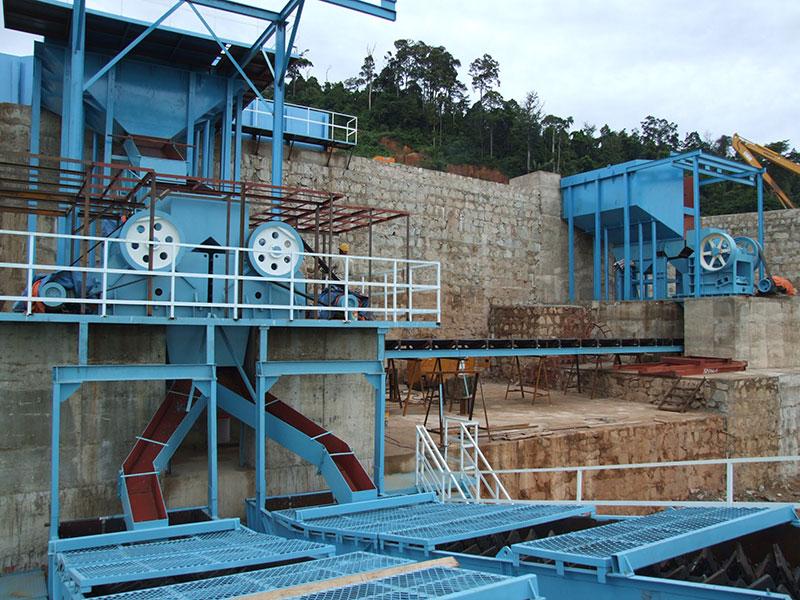
How much does iron ore processing equipment usually cost?
How much does iron ore processing equipment typically cost? The main types of iron ore are magnetite, hematite, limonite, specularite, ilmenite, and siderite. The key equipment used in iron ore processing and beneficiation includes iron ore crushing equipment, iron ore screening equipment, iron ore grinding equipment, iron ore grading equipment, iron ore magnetic separation equipment, iron ore dry separation equipment, iron ore gravity separation equipment, iron ore flotation equipment, iron ore concentrate dewatering equipment, and iron ore concentrate drying equipment. The typical cost of iron ore processing equipment is directly related to the iron ore processing technology, the processing output, and the configuration of the relevant processing equipment.
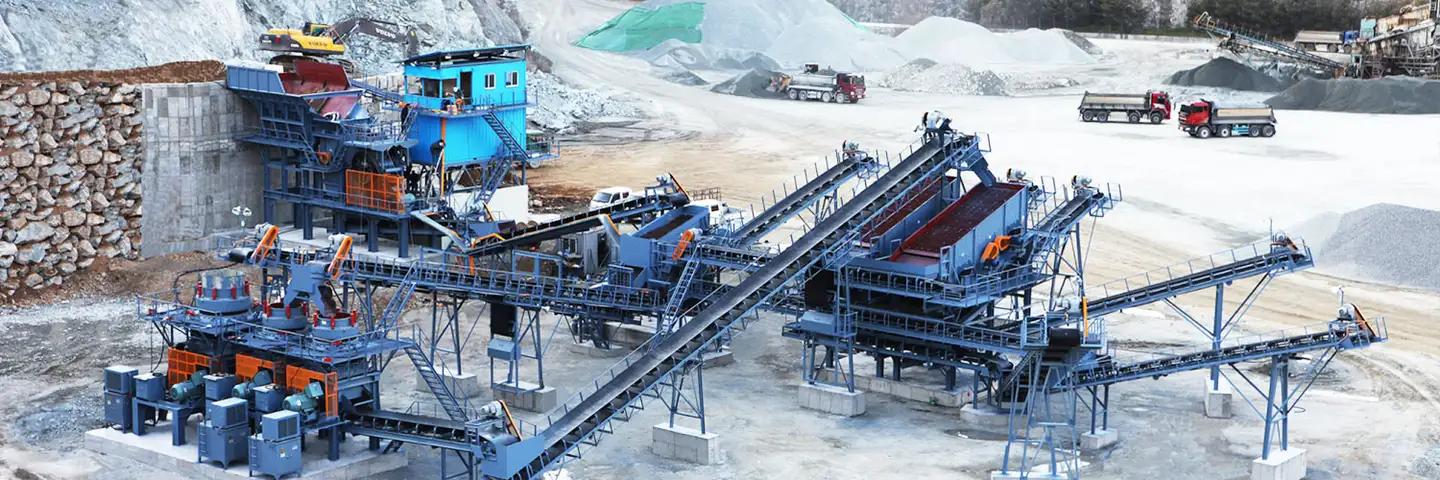
How much does iron ore processing equipment typically cost? Each iron ore processing equipment manufacturer's quote is tailored to the specific project requirements. Therefore, before sales, we consult with clients regarding project fineness, production capacity, installation site, and other information. From a professional perspective, we can tailor the iron ore processing equipment selection and quote for you. Regardless of the iron ore processing technology, only by matching the selected production line solution can we provide clients with a fair and scientific quote.
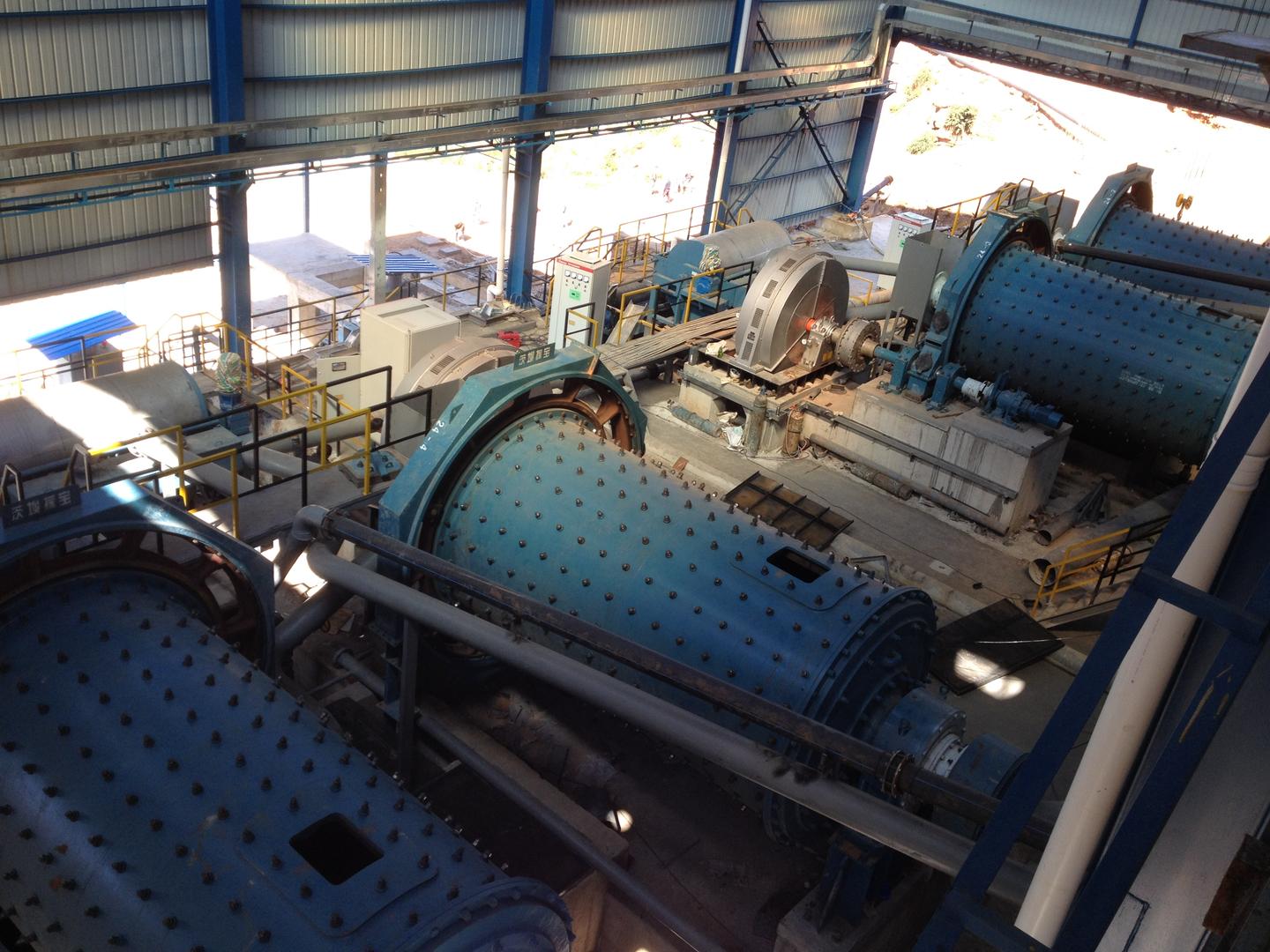
How much does it generally cost to process iron ore equipment? The equipment needed to process iron ore mainly includes vibrating feeders, jaw crushers, spring cone crushers, single-cylinder hydraulic cone crushers, compound crushers, hammer crushers, circular vibrating screens, iron ore dry separators, grate ball mills, overflow ball mills, spiral classifiers, cyclone groups, wet magnetic separators, thickeners, disc filters, drum dryers, belt conveyors, etc. In the iron ore processing process, these equipment are indispensable. Each device has its own role and advantages, but all devices need to work together. Our company is a manufacturer specializing in iron ore processing equipment. We produce a full set of iron ore processing production line equipment with high processing capacity and reasonable cost. In addition, we will also tailor the iron ore processing process for you according to the properties of the iron ore to ensure that it meets your production line standards. There are many types of iron ore processing equipment, and the general cost depends on how the equipment is selected and configured.
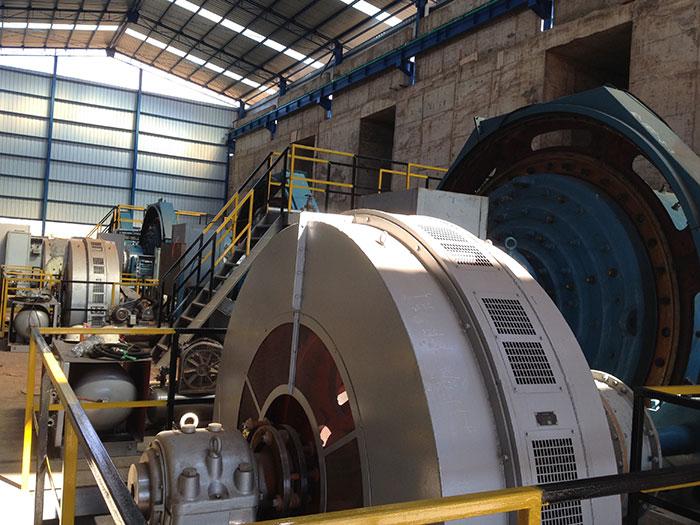
Iron ore processing primarily involves three steps: crushing, grinding, and beneficiation. During crushing, three-stage closed-circuit crushing is a modern method suitable for high-hardness iron ore, capable of both crushing and partially separating the ore, thereby improving subsequent grinding efficiency. During grinding, two-stage, one-closed-circuit grinding is a highly efficient grinding process, ensuring more thorough grinding of the ore. In terms of beneficiation, representative and successful new processes that have emerged in recent years include "stage grinding, weak magnetic separation-reverse flotation," "full magnetic separation," and "ultra-fine crushing-wet magnetic separation with tailings discarding."
Iron Ore Crushing Equipment: Iron ore is a relatively hard ore, with a Mohs hardness varying depending on its origin and type, generally reaching around 6. Therefore, a jaw crusher is often used for primary crushing. Jaw crushers are high-capacity equipment with over 20 models available, fully capable of meeting the needs of various iron ore production capacities. Jaw crushers are designed in large, medium and small sizes, with a crushing ratio of up to 10. With the development needs of actual industry, jaw crushers for iron ore have the characteristics of uniform particle size, simple structure and easy maintenance. They are necessary equipment for the current primary processing of iron ore.
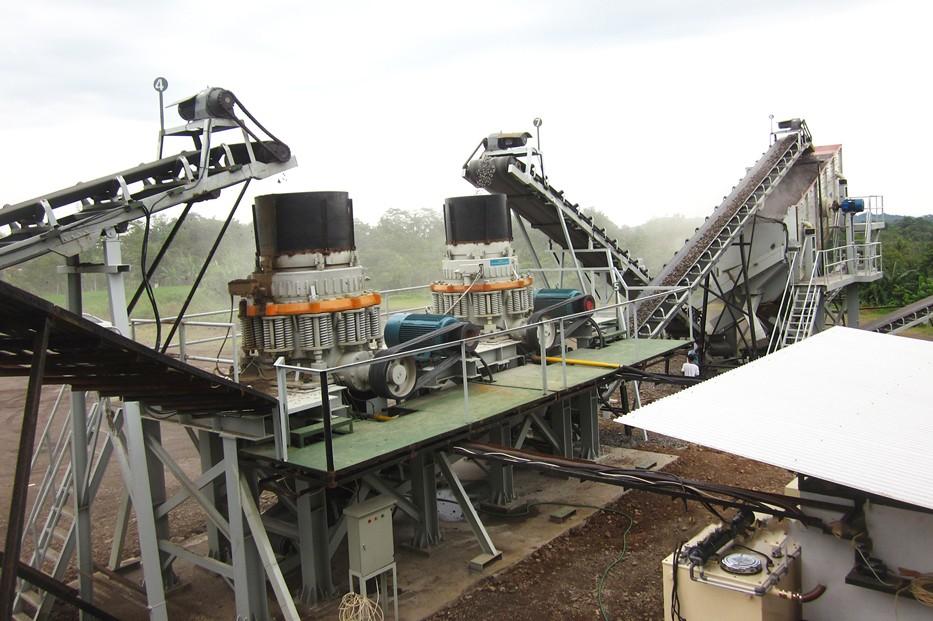
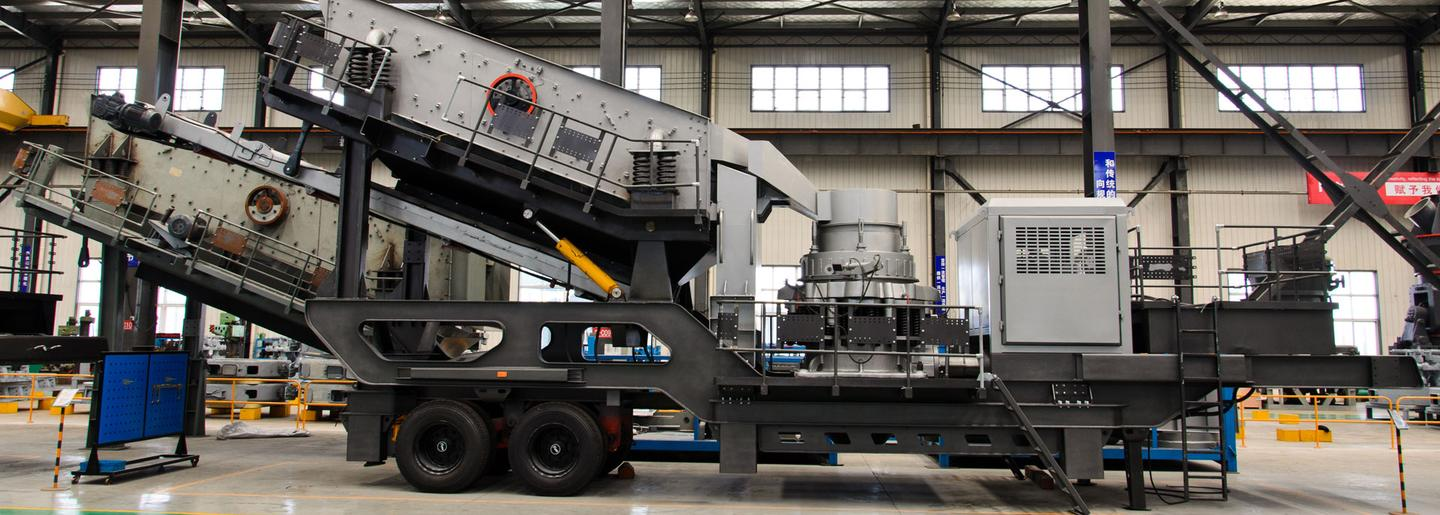
Secondary Crushing of Iron Ore: For secondary crushing of iron ore, either a fine jaw crusher or an impact crusher can be used. Impact crushers offer high performance, allowing the ore to be ground after impact crushing. A fine crusher can also be used for secondary crushing. Fine crushing with a fine crusher generally reduces the particle size to less than 5mm, fully embodying the principle of "more crushing, less grinding." Our mobile iron ore crusher, based on traditional crusher design, adapts to various crushing conditions, eliminating obstacles caused by location, environment, and infrastructure, resulting in simple, efficient, and low-cost crushing equipment. Our mobile iron ore crusher series includes cone crushers, impact crusher series mobile crushing stations, jaw crushers, and crawler-mounted mobile crushers. This series of crushers truly offers customers a simple, efficient, and cost-effective machine.
Iron Ore Grinding Equipment: Iron ore grinding equipment generally uses a ball mill for grinding. Ball mills are divided into dry and wet ball mills. The iron ore produced by ball mills has a very small particle size of approximately less than 0.4 mm.
Iron Ore Powder Classification Equipment: Iron ore powder classification equipment uses a spiral classifier, which uses the principle that solid particles with different specific gravities settle at different rates in liquids to clean and classify the ore mixture.
Iron Ore Beneficiation Equipment: Iron ore fines are separated through multiple magnetic separations in a magnetic separator. After multiple magnetic separations, tailings recovery is generally required, which can also be done with a tailings recovery machine. If the iron ore contains other minerals, a magnetic separator is required for beneficiation and discharge. Features of special magnetic separators for processing iron ore: ① According to the selection characteristics of different stages of ore, various magnetic separators such as pre-selection, roughing and concentrating are designed respectively; ② Advanced magnetic circuit design is adopted, with uniform magnetic force distribution, large magnetic penetration depth and high recovery rate. The concentrator adopts a multi-pole structure, which is beneficial to improving the grade of concentrate; ③ The magnetic blocks are integrally bonded and then magnetized, and the magnetic properties are stable and reliable. The magnetic group is fixed to the yoke with bolts as a whole and is wrapped with stainless steel bandages, which will last forever; ④ The trough structure is reasonable, which is conducive to the passage of slurry and prevents blockage, and desilting mechanisms are provided at both ends to facilitate maintenance and cleaning; ⑤ The transmission device is stable and reliable, the overall performance of the machine is good, and it can operate without trouble for a long time.
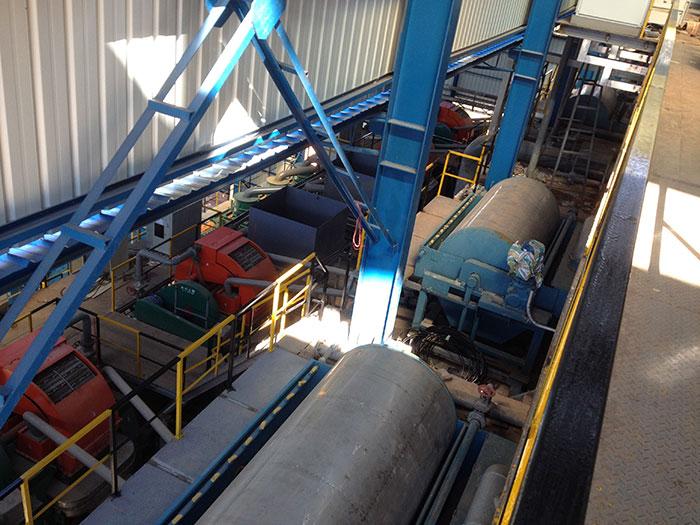
Iron Ore Concentration: After iron separation, iron ore fines contain a significant amount of water, necessitating a preliminary concentration process using a concentrator.
Iron Ore Drying: After concentrating, iron ore fines still contain a certain amount of water, requiring an industrial dryer to dry the fines. The dryer then converts the iron ore fines into usable fines.
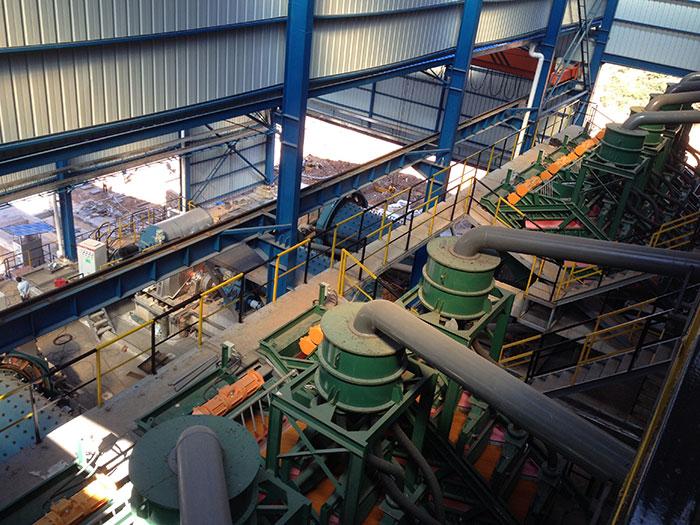
How much does iron ore processing equipment typically cost? Magnetite beneficiation equipment: Primarily used to separate low-grade "Anshan-style" magnetite. Because the ore is highly magnetic and easy to grind and select, domestic magnetic separation plants employ either stage or multi-stage grinding processes. The former (single-stage grinding) is used for coarse-grained magnetite, while the latter (two or three-stage grinding) is used for fine-grained and ultra-fine-grained magnetite. my country's independently developed series of permanent magnetization technologies have enabled permanent magnetization in magnetic separators. Since the 1970s, the widespread adoption of fine screening and regrinding technology in magnetite separation plants nationwide has increased concentrate grade from 62% to approximately 66%, meeting the Ministry of Metallurgical Industry's 65% concentrate grade requirement.
How much does iron ore processing equipment typically cost? Weakly magnetic iron ore separation equipment: Primarily used to separate hematite, limonite, specularite, siderite, pseudo-hematite, or mixed ore, also known as "red ore." This type of ore has low grade, fine particle size distribution, and complex mineral composition, making separation difficult. Since the 1980s, continuous research and improvement in mineral processing technologies, including roasting magnetic separation, wet high-intensity magnetic separation, weak magnetic flotation, and gravity separation, as well as new equipment and reagents, have led to continuous improvements in concentrate grade and metal recovery. For example, the Qidashan Ore Dressing Plant of Anshan Iron and Steel Group has achieved encouraging results by adopting a new process flow of weak magnetic separation, high-intensity magnetic separation, and flotation separation.
Magnetite Ore Beneficiation Technology
Ore containing more than 85% of its total iron content in the form of magnetite is called magnetite ore. The core beneficiation technology for magnetite is low-intensity magnetic separation. Other beneficiation technologies include pre-selection and tailings removal from the ore, and reverse flotation desulfurization and desiliconization of the concentrate.
This process features the use of magnetic pulleys in the roughing operation after primary or secondary crushing in the magnetite concentrator to remove some waste rock, reducing the amount of ore entering the mill and lowering beneficiation costs. Staged grinding and separation reduce grinding energy consumption. Desulfurization and desiliconization of the concentrate by reverse flotation improve the quality of the iron ore concentrate.
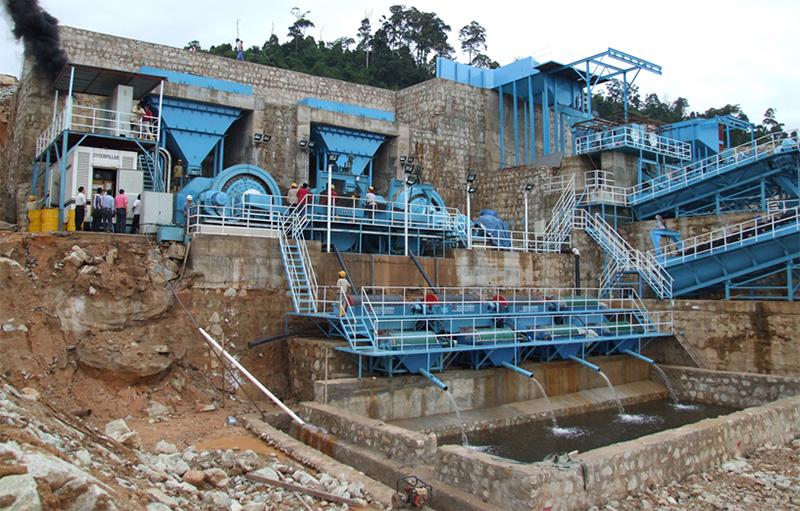
Hematite beneficiation technology Hematite is a weakly magnetic iron ore. There are many beneficiation methods used, including gravity separation, flotation, strong magnetic separation, roasting magnetic separation and a combination of several methods. At present, there are three typical beneficiation process flows for hematite: continuous grinding-weak magnetic separation-strong magnetic separation-anion reverse flotation, stage grinding-coarse and fine separation-gravity-magnetic separation-anion reverse flotation and stage grinding-coarse and fine separation-magnetic separation-gravity-anion reverse flotation. The characteristics of the continuous grinding-weak magnetic separation-strong magnetic separation-anion reverse flotation process are: (1) It has good adaptability to the process mineralogy of iron ore. In view of the fact that the embedded particle size of iron ore is fine and requires fine grinding, the ore is ground by continuous grinding until all basic monomers are dissociated and then separated, avoiding the problem of large fluctuations in the amount of ore re-grinding and low efficiency in stage grinding affecting the process. (2) The combined use of weak magnetic separation-strong magnetic separation and anion reverse flotation realizes the combination of process flows. After continuous grinding, weak magnetic separation-strong magnetic separation is used to remove the primary and secondary ore slimes in the grinding products and discard a large amount of tailings. This not only improves the iron grade of the material entering the anion reverse flotation operation, but also helps to obtain high-quality iron concentrate by anion reverse flotation. More importantly, after the primary and secondary ore slimes are discarded by the weak magnetic separation-strong magnetic separation operation, good process conditions are created for the anion reverse flotation operation, which helps the anion reverse flotation operation to play a better role. (3) This process can easily obtain better separation indicators. At present, the equipment for strong magnetic operation is the ideal hematite tailings discarding equipment, and anion reverse flotation is the ideal selection operation for hematite beneficiation to obtain high-grade iron concentrate. The characteristics of the stage grinding-coarse and fine separation-gravity-magnetic-anion reverse flotation process are:
After the ore is ground once, it is classified by a hydrocyclone, and the coarse and fine particles are processed separately; the coarse particle size is separated by spiral chute gravity separation, and the coarse particle size is timely obtained. The qualified coarse particle concentrate is obtained at a low beneficiation cost; the fine particle size is separated by weak magnetic separation-strong magnetic separation-reverse flotation, ensuring good separation index and high-grade fine particle concentrate; the gravity separation ore is ground for the second time and returned to the cyclone for classification. The concentrate particle size composition of the whole process is mainly composed of gravity separation coarse particle concentrate, and the amount of reverse flotation alkaline fine particle concentrate is small, which does not ensure continuous grinding, and is easy to cause filtering difficulties as the strong magnetic separation process.
The characteristics of the stage grinding-coarse and fine separation-magnetic separation-gravity-anion reverse flotation process are:
(1) The stage grinding process is adopted. Due to the adoption of the stage grinding process, the amount of secondary grinding is reduced.
(2) Strong magnetic pre-discarding of tailings. The volume of tailings discarded by high-intensity magnetic pre-discarding is generally over 45%, significantly reducing the amount of subsequent ore processing labor and saving equipment. Furthermore, after high-intensity magnetic pre-discarding, the ore entering the subsequent high-intensity magnetic process has a higher grade, which is beneficial for improving the concentrate grade in gravity separation. However, the relatively coarse lean intergrowths that enter the high-intensity magnetic concentrate intensify the reverse enrichment effect of the subsequent classifying cyclones, which is detrimental to reverse flotation operations.
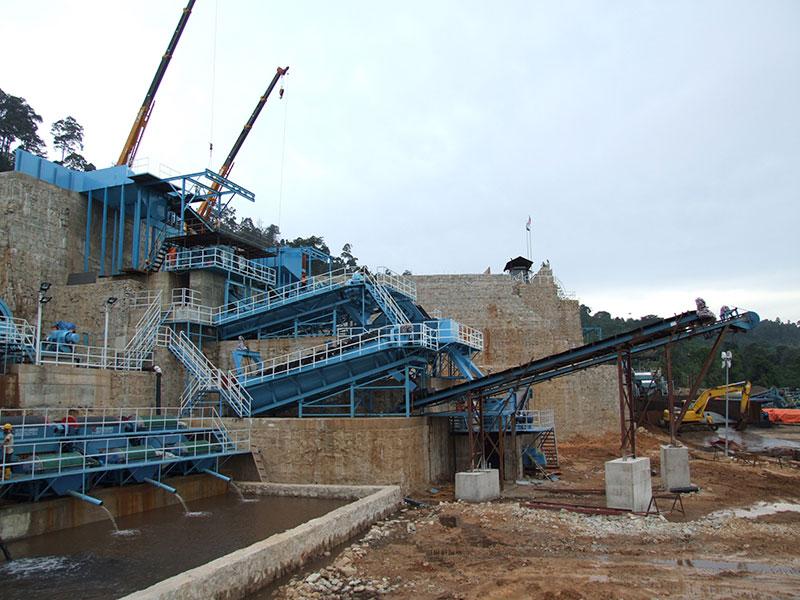
Limonite Ore Beneficiation Technology
Currently, typical limonite ore beneficiation processes include: single separation process, magnetic flotation combined process, and reduction roasting-magnetic separation-leaching process. Single separation processes include gravity separation, magnetic separation, flotation, and selective flocculation flotation.
Gravity separation, due to its simple equipment, low cost, low power consumption, and the absence of chemical reagents, attracted considerable attention both domestically and internationally for separating limonite from pseudo-hematite. However, due to the significant disparity in mineral density, the recovery rate is low (43%), the tailings are high-grade, and there is significant resource waste, making it difficult to achieve good results. Consequently, it has been gradually replaced by other methods.
Single wet high-intensity magnetic separation offers a simple process, easy management, stable operation, and strong adaptability. The concentrate is easily concentrated and filtered, and its separation performance is superior to gravity separation. However, its separation performance is poor for fine-grained slimes.
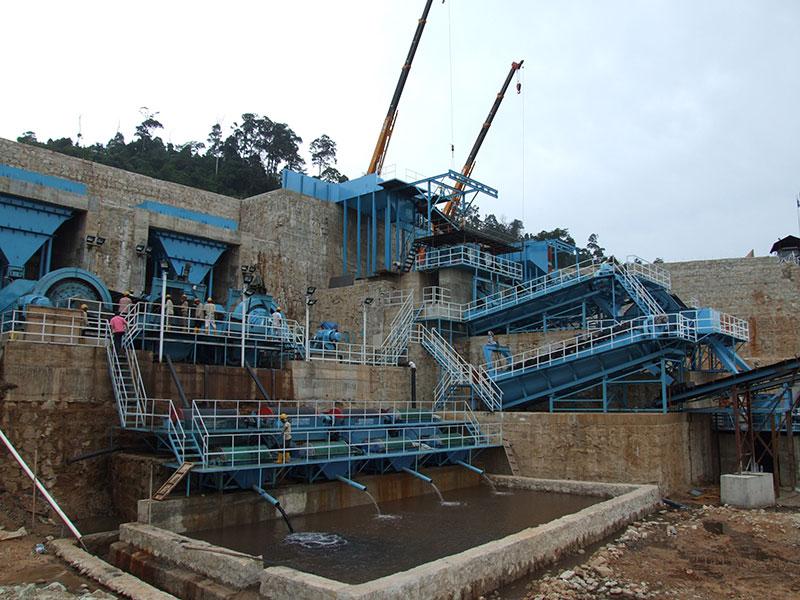
How much does iron ore processing equipment typically cost? Polymetallic co-existing or associated ore beneficiation equipment is primarily used to separate ores with complex compositions and diverse types. However, the methods, equipment, and processes employed vary. For example, the Bayan Obo Iron Mine utilizes a variety of processes, including reverse flotation-multi-gradient magnetic separation, flocculation flotation, weak magnetic separation-reverse flotation-high-intensity magnetic separation, weak magnetic separation-positive flotation, and roasting magnetic separation, to improve iron recovery and comprehensively recover rare earth oxides. The Panzhihua Iron Mine uses magnetic separation to obtain vanadium-iron concentrate with approximately 53% TFe. The tailings from magnetic separation undergo weak magnetic sweeping separation-high-intensity magnetic separation-gravity separation-flotation-drying electrostatic separation to obtain titanium concentrate and sulfur-cobalt concentrate, recovering titanium and cobalt. The Daye Iron Mine utilizes weak magnetic separation-high-intensity magnetic separation and flotation to comprehensively recover elements such as iron, copper, cobalt, and sulfur.
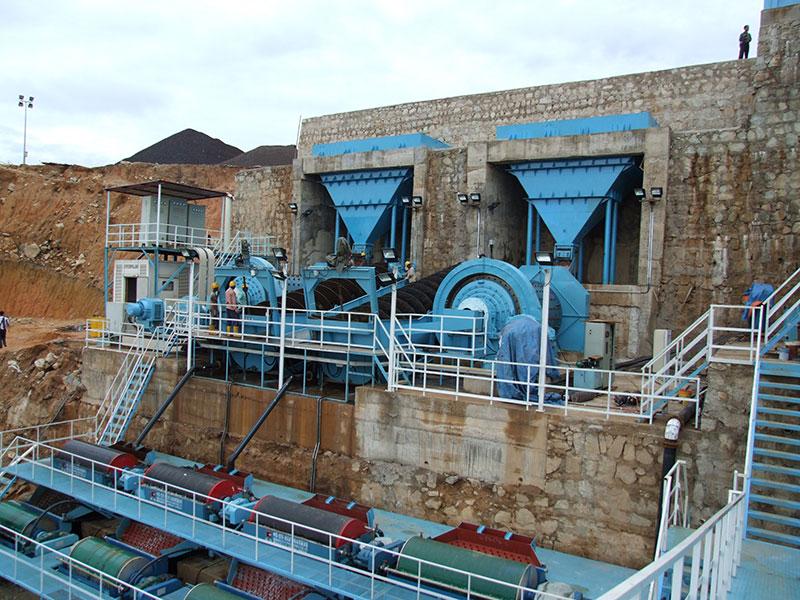
How much does iron ore processing equipment typically cost? Easily processed iron ore resources are becoming increasingly scarce. Iron ore resources are characterized by a preponderance of lean ores, a scarcity of rich ores, and a high concentration of associated minerals. The iron ore composition is complex, and the ore is often finely distributed, creating challenges for beneficiation. Technically, advanced technologies, advanced iron ore processing techniques, and advanced iron ore processing equipment are urgently needed to promote the efficient development and utilization of lean iron ore resources. From an economic perspective, iron ore beneficiation plants must expand their production scale and ore processing capacity to achieve optimal economic returns. Energy conservation and consumption reduction are essential to lowering beneficiation and processing costs. Before the ore enters the grinding process, some gangue minerals mixed with the iron ore are pre-selected and removed to achieve early removal, thereby improving the ore grade.
Many customers want to know how much it costs to process iron ore. The prices of complete sets of iron ore processing equipment vary due to different models and types. The price of jaw crushers ranges from tens of thousands to hundreds of thousands. Small ball mills can generally be purchased for hundreds of thousands, while large ones cost more than one million. If an iron ore processing production line is configured, the specific quotation will depend on the production conditions and the model of the equipment.