
How much does aluminum ash processing equipment cost?
How much does a set of aluminum ash processing equipment cost? This is a question that users must consider when purchasing equipment. Since there are many aluminum ash processing equipment manufacturers on the market, the equipment prices set by different manufacturers are certainly different. In order for customers to be able to purchase a set of aluminum ash processing equipment with superior performance, this article briefly introduces the topic of how much a set of aluminum ash processing equipment costs.
Aluminum ash processing equipment primarily processes cold ash, which typically contains approximately 30% aluminum particles. Sorting the aluminum particles in this situation is straightforward, requiring only simple equipment. Relatively pure aluminum particles can be separated, and these particles can be remelted into ingots for sale, generating significant economic returns. So, what equipment is involved in this process?
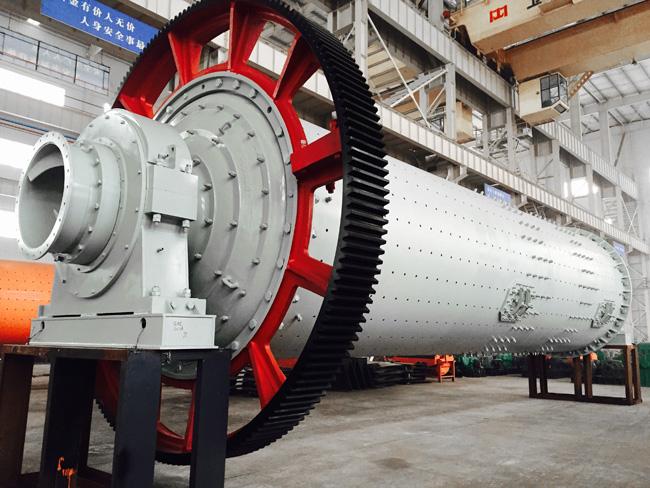
The main features of the aluminum ash processing equipment, the aluminum ash ball mill separator (ball mill), include: To address the larger particle size of the aluminum ash, the hollow shaft at the discharge port has a larger diameter, allowing large lumps of aluminum ash to enter the mill directly, improving feeding efficiency. The ball mill is configured with two chambers, one with a partition plate located 1.45 meters from the inlet. Large steel balls are used in the first chamber to crush the aluminum ash. Once the slag reaches a certain particle size, it passes through a grate plate and enters the second chamber for ball milling and separation. Once the slag is finished, it is automatically discharged from the discharge port, significantly improving grinding efficiency.
Aluminum ash processing equipment - sealed drum screen must first meet the sealing performance and have a certain pressure bearing capacity. In more stringent application examples, it can meet the user's technical requirements for nitrogen-filled isolation of the screening system. The sealed drum screen adopts a variety of sealing methods to ensure the sealing performance of the drum screen during operation. The sealed drum screen is convenient for replacing the screen, and the screen can be replaced through the maintenance window. Therefore, replacing the screen does not affect the overall sealing effect of the drum screen. The screening capacity of the sealed drum screen with a particle size of 3~5mm reaches 45TPH, achieving a technological breakthrough in the screening capacity of a single machine. The sealed drum screen has achieved very good results in the screening application of calcium carbide fine materials. Due to the significant improvement in the screening capacity of a single machine, the calcium carbide crushing process and layout have achieved a huge breakthrough, greatly reducing the investment and operating costs of the calcium carbide crushing system.
Aluminum ash handling equipment - bucket elevators are suitable for lifting materials from low to high locations. Material is fed into the hopper via a vibrating table, and the machine automatically and continuously operates to transport it upward. The conveying speed can be adjusted according to the conveying volume, and the lifting height can be selected as needed. The hopper is designed and manufactured in-house. The non-toxic PP hopper makes this type of bucket elevator more versatile. All sizes are designed and manufactured according to actual needs. Designed to complement vertical packaging machines and computerized metering machines, it is suitable for lifting and loading products such as food, pharmaceuticals, chemical products, screws, and nuts. The machine can automatically start and stop the machine based on the packaging machine's signal recognition. Bucket elevators are continuous conveying machines that lift materials vertically using a series of hoppers uniformly fixed to an endless traction member. They are available in three types: chain, plate chain, and belt.
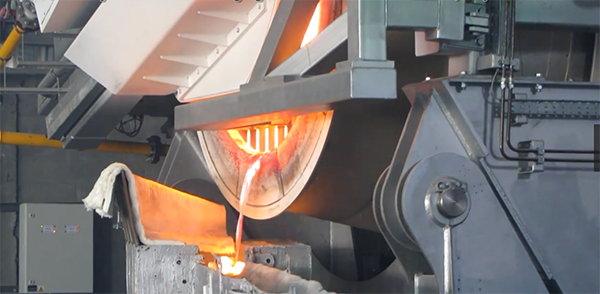
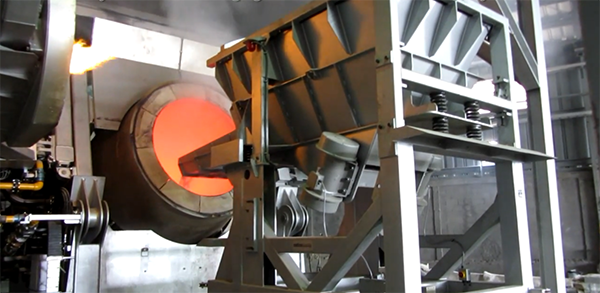
Aluminum ash processing equipment—a rotary furnace, also known as a rotary ash roaster—is an essential tool for aluminum ash processing in the recycled aluminum industry. It plays a crucial role in both the operating costs and profitability of recycled aluminum recycling. This equipment processes the hot slag raked from the kiln. Through the rotary furnace's rotation and agitation (with occasional addition of a blending agent), precipitation is achieved, resulting in the extraction of relatively pure aluminum slag into ingots. The rotary ash roaster is suitable for large-scale processing of hot slag, cold slag, and slag containing high iron content. Requiring minimal staffing, requiring only one skilled forklift operator and one assistant, it can process several to dozens of tons of hot and cold aluminum slag per day, achieving high efficiency. The hot slag raked from the furnace is transported to the rotary furnace by a rotary forklift. The rotary furnace's forward and reverse rotation and the forklift's rake's back-and-forth agitation separate the molten aluminum from the slag. Temperature control is crucial during operation, and cold slag or raw aluminum can be added as a temperature control agent and for secondary refining. After processing is complete, the rotary furnace barrel is tilted and lifted with a hydraulic cylinder to pour out the molten aluminum. Once the molten aluminum is poured out, the barrel is rotated to unload the ash, making operation simple and convenient. The aluminum molten recovery rate in aluminum slag exceeds 80%. When used in conjunction with a screening-type cold ash bucket, the overall recovery rate reaches over 90%. Rotary furnaces and screening-type cold ash buckets are ideal equipment for replacing crucibles and vertical ash roasters to process aluminum slag and cold slag in large quantities. The rotary furnace does not require a heating device for processing both hot and cold slag. In particular, when processing cold slag, only a bucket of hot slag raked from the furnace is required for continuous operation. The operation requires no additional energy beyond the electricity required to operate the equipment. Because the processing is centralized, the generated dust can be easily collected, truly achieving energy conservation and environmental protection.
The standard pulse bag dust collector for aluminum ash treatment equipment is a new type of pulse bag dust collector, improved upon the traditional bag dust collector. To further enhance the pulse bag dust collector, this modified model retains the advantages of high purification efficiency, large gas handling capacity, stable performance, easy operation, long filter bag life, and minimal maintenance. Furthermore, structural and pulse valve modifications address issues associated with outdoor installation and low compressed air pressure. The pulse bag dust collector consists of a hopper, upper housing, middle housing, and lower housing. The upper, middle, and lower housings are designed as separate chambers. During operation, dust-laden air enters the hopper through the air inlet duct. Coarse dust particles fall directly into the bottom of the hopper, while fine dust particles are carried upward by the airflow into the middle and lower housings, where they accumulate on the outer surfaces of the filter bags. The filtered air then enters the upper housing, passes through the clean air manifold and exhaust duct, and is discharged to the atmosphere through an exhaust fan. The cleaning process begins by shutting off the clean air outlet duct in that chamber, eliminating airflow through the bag filters (separate chamber air shut-off for cleaning). The pulse valve is then opened to deliver a pulsed jet of compressed air for cleaning. The valve is closed long enough to ensure that dust removed from the filter bags settles into the hopper, preventing dust from being reattached to adjacent bags by the airflow. This ensures thorough bag cleaning. A programmable controller automatically controls the exhaust valve, pulse valve, and ash discharge valve.
We can clearly see the entire aluminum ash treatment solution and the configuration of the aluminum ash processing equipment: First, an automatic loader delivers aluminum ash into a silo. An electromagnetic vibrating feeder at the silo discharge port evenly feeds the ash into an aluminum slag ball mill for grinding. The ground ash is then conveyed via a tubular conveyor to a linear vibrating screen for screening. The tubular conveyor is used because the grinding of the ball mill generates dust, which effectively controls dust generation. The linear vibrating screen can separate pure aluminum particles from the waste ash. The waste ash after screening contains fine aluminum particles, and the circular vibrating screen is the equipment for sorting these fine aluminum particles.
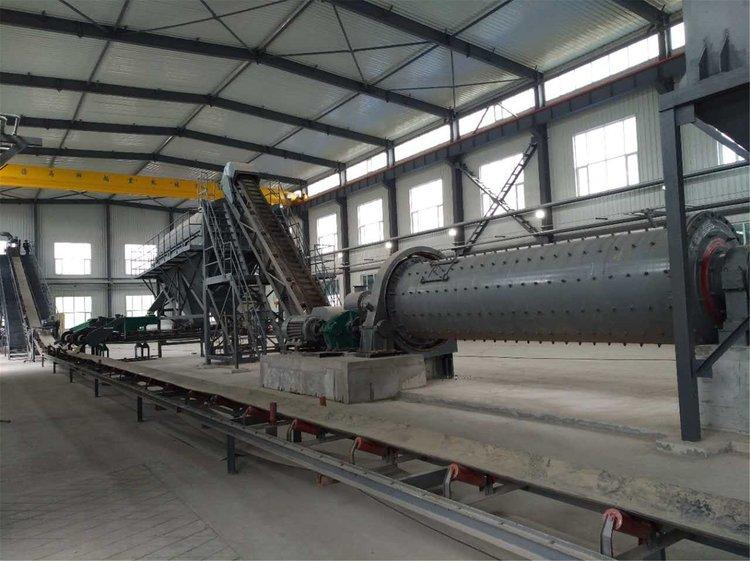
The aluminum ash handling equipment consists of two independent systems and a common component. System 1 primarily handles hot aluminum ash; System 2 is primarily used for bag cleaning and cold aluminum ash processing. The common component (including a shared silo) centrally handles aluminum ash particles under 30mm, including ball milling, crushing, screening, and classification.
Aluminum Ash Handling Equipment System 1: Hot Ash Handling Equipment Configuration and Functional Description
Two hot ash mixing and separation units, one hot ash cooling unit, one screening and collection unit, and a dust removal system are included. The system can handle aluminum ash for a production capacity of 1 million tons of primary aluminum.
After the hot aluminum ash from the mixing furnace is scraped into the ash bin, it is transported by a rail trolley to the hot ash mixing and separation equipment. The ash bin tilting mechanism tilts the ash into a pot, where it is stirred and separated, and the molten aluminum is discharged. The ash pot is then tilted, and the remaining ash is poured into the cooling equipment for processing. After cooling (below 60°C) and crushing, it is automatically screened and graded. Lumps larger than 30mm are selected and directly returned to the furnace, while those smaller than 30mm are fed into the ball mill (which can also be fed into a silo for centralized storage and centralized feeding of the ball mill. The silo and silo are shared with System 2) for secondary screening and classification.
System 2: Cold Ash and Cleaning Material Handling Equipment Configuration and Functional Description
Feed inlet (including a lump screen to filter out lumps larger than 600mm), one dedicated cleaning material crushing and screening machine, and a dust removal system. This system meets the partial cleaning material and cold aluminum ash handling capacity of 1 million tons of primary aluminum production capacity.
After cold aluminum ash and purged material enter the crushing equipment through the feed port, lumps larger than 30mm are selected and returned to the furnace. Material smaller than 30mm is fed into a ball mill (or can be fed into a silo for centralized storage via a bucket elevator. The silo and bucket elevator are shared with System 1) for secondary screening and classification.
Common Area
One ball mill (directly connected to the screening equipment in Systems 1 and 2, and capable of receiving silo feeds), one screening and collection device, and a dust removal system (shared with System 1). These systems meet the processing capacity for material smaller than 30mm generated by hot aluminum ash, cold aluminum ash, and purged material.
Material smaller than 30mm enters the ball mill, where it is automatically screened and graded using a drum screen. Lumps larger than 1mm are returned to the furnace. Powdered material smaller than 1mm is bagged directly from the discharge port, transported via a ground rail vehicle, and then transported to a storage location by a skytrain.
Aluminum ash handling equipment control system requirements:
Each system utilizes PLC control, with interlocking functionality between individual devices to fully ensure operational safety. The equipment must be rationally designed, highly automated, and safe and reliable.
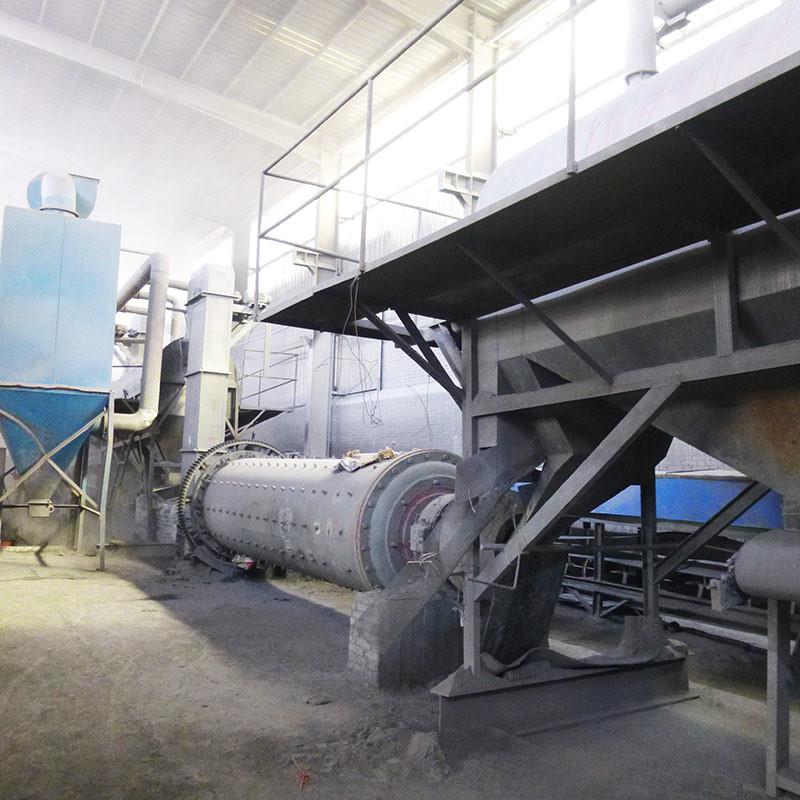
The main features of the aluminum ash processing equipment are as follows:
1. Improved aluminum recovery rate from ash: Compared with existing recovery methods (currently using rotary kilns, presses, manual sorting, and crucible smelting), our recovery rate is at least 10% higher;
2. Significant economic benefits: The high recovery rate per ton of aluminum ash yields direct economic benefits ranging from several thousand to tens of thousands of yuan per ton;
3. Energy conservation: The equipment operates without the need for precious energy sources such as oil and coal, directly utilizing the heat from the hot ash to process the aluminum ash, saving significant energy;
4. Fully automated processing: This significantly reduces labor costs for production units, significantly lowers worker intensity, and reduces workplace accidents;
5. Short processing time: This increases the aluminum ash processing capacity of production units, with the equipment capable of processing up to 20-50 tons per day.
6. Based on an annual slag output of 5,000 tons, the value of the recovered aluminum is at least 30 million yuan, bringing significant economic benefits to the company. The difference between the value of selling aluminum ash, which is only a few million yuan, is orders of magnitude and a revolutionary difference.
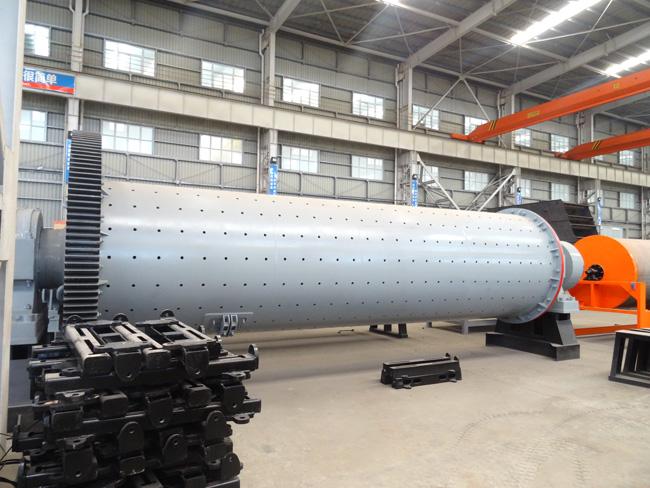
How much does aluminum ash processing equipment cost? The detailed quotation for aluminum ash processing equipment with a daily processing capacity of 100 tons is as follows:
| No | Item | Specification | Material | Unit | Pcs |
| 1 | jaw crusher | PEX400x600 | Q235-B、cast steel | pcs | 1 |
| 2 | conveyor belt | B650x10M | Q235-B、cast steel | pcs | 1 |
| 3 | Aluminum ash screening unit | MQ-L12 | Q235-B、cast steel | pcs | 1 |
| 4 | Silo | 3500X3500 | Q235-B | pcs | 1 |
| 5 | Electromagnetic vibrating feeder | GZ-500型 | Q235-B、copper wire | pcs | 1 |
| 6 | conveyor belt | B650x14M | Q235-B、cast steel | pcs | 1 |
| 7 | Aluminum ash special ball mill | MQG-L100 | Q235-B、cast steel | pcs | 1 |
| 8 | Large angle belt conveyor | B650x10M | Q235-B、cast steel | pcs | 1 |
| 9 | Aluminum ash separation unit | XL-I1860 | Q235-B、cast steel | pcs | 1 |
| 10 | Material conveyor vehicle | 1000x1000 | Q235-B、cast steel | pcs | 4 |
| 11 | Pulse bag dust collector | PPC96-5 | Q235-B、cast steel | pcs | 1 |
| 12 | PLC control system cabinet | Supporting facilities | / | set | 1 |
| 13 | Shipping costs | / | / | / | / |
| 14 | Installation and auxiliary material costs | / | / | / | / |
How much does a set of aluminum ash treatment equipment cost? This is a question of great concern to many investors. To help users reduce investment costs and maximize economic benefits, our company has conducted research on the current market pricing of aluminum ash treatment equipment. Below is a brief analysis of aluminum ash treatment equipment prices.
Aluminum ash treatment equipment is a key consideration when purchasing. So, how much does aluminum ash treatment equipment cost? The selling price of aluminum ash treatment equipment is directly related to its model, configuration, specifications, quality, and performance. Furthermore, external factors such as market conditions, economic trends, geographic location, and industry regulations can also cause significant price fluctuations. Our company has systematically analyzed and considered these influencing factors, and has developed reasonable pricing plans within the industry. Acer's price advantage is evident in our equipment sales. Our aluminum ash treatment equipment prices meet users' actual purchasing needs, which is the main reason for our company's high sales volume.
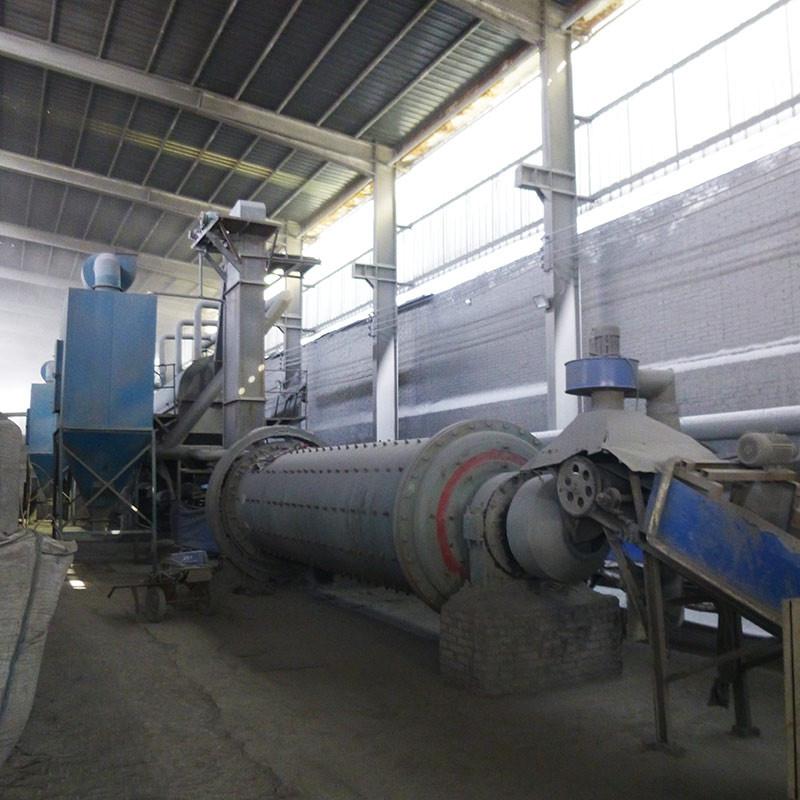
How much does aluminum ash processing equipment cost? The main factors influencing its price are as follows:
1. Production Process
The production processes used by different aluminum ash processing equipment manufacturers vary. Manufacturers with more sophisticated production processes are likely to use less wasteful resources and therefore command lower market prices. Conversely, manufacturers with less sophisticated production processes have higher production costs and, therefore, higher prices.
2. Manufacturer Type
There are many aluminum ash processing equipment manufacturers in China, and each manufacturer has a different nature. Some operate as direct sales companies, some as distributors, and some as middlemen. Middlemen often charge higher prices for their equipment because they don't have their own production facilities and rely on profit margins. Direct sales companies typically charge lower prices because they don't profit margins on the equipment.
3. Market Demand
The market demand for aluminum ash processing equipment directly affects its price. When many users purchase aluminum ash processing equipment, the market experiences a supply shortage. At this point, some manufacturers, motivated by their own profit, will set their equipment prices very low, which in turn drives down overall equipment prices. Conversely, when few users purchase, supply exceeds demand, and equipment prices naturally fall.
4. Manufacturer Competition
If there are many aluminum ash processing equipment manufacturers in a region, competition will be fierce. Intense competition naturally leads to lower equipment prices, as the more intense the competition, the lower the manufacturer's price. When competition is less intense, equipment prices naturally remain low.
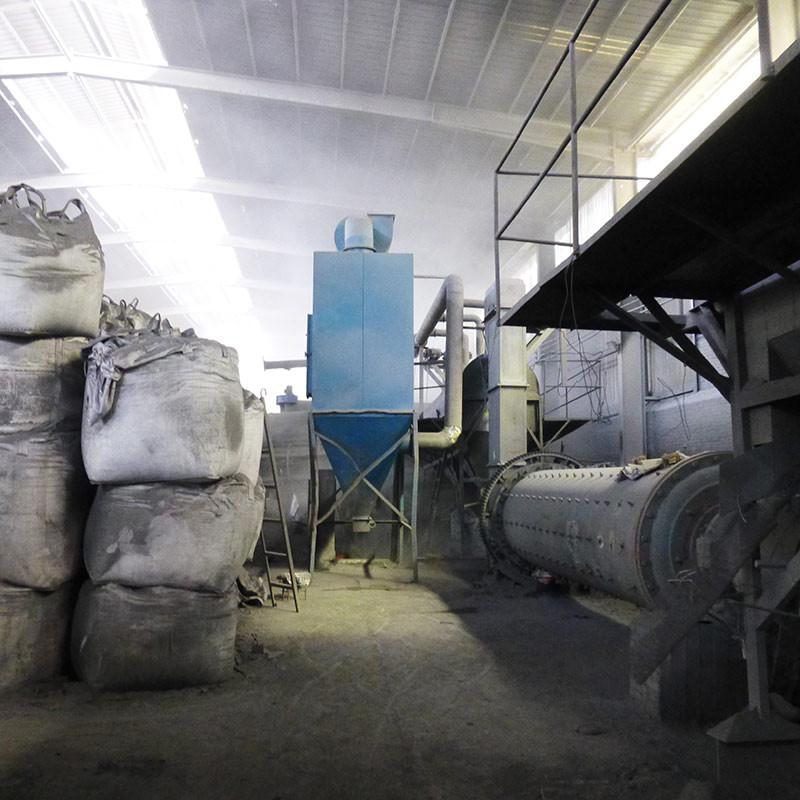
How much does aluminum ash treatment equipment cost? This is a common question for users when purchasing equipment. Our company is currently one of the leading manufacturers of aluminum ash treatment equipment in Henan Province. While ensuring quality, our aluminum ash treatment equipment is also very affordable, costing 50,000 yuan less than similar equipment on the market. The reasons for this affordability are as follows:
1. Our company is a direct-sales manufacturer of aluminum ash treatment equipment, which means low production and sales costs, and therefore significantly lower prices.
2. Due to our strong capabilities, we make little profit on individual units and sell them in large quantities, resulting in a relatively affordable price.
3. Our company is located in Zhengzhou, Henan Province, a city with average living standards. Locals in this area have limited ability to purchase high-priced equipment. To accommodate our customers' budgets, we have set very low prices for our aluminum ash treatment equipment.
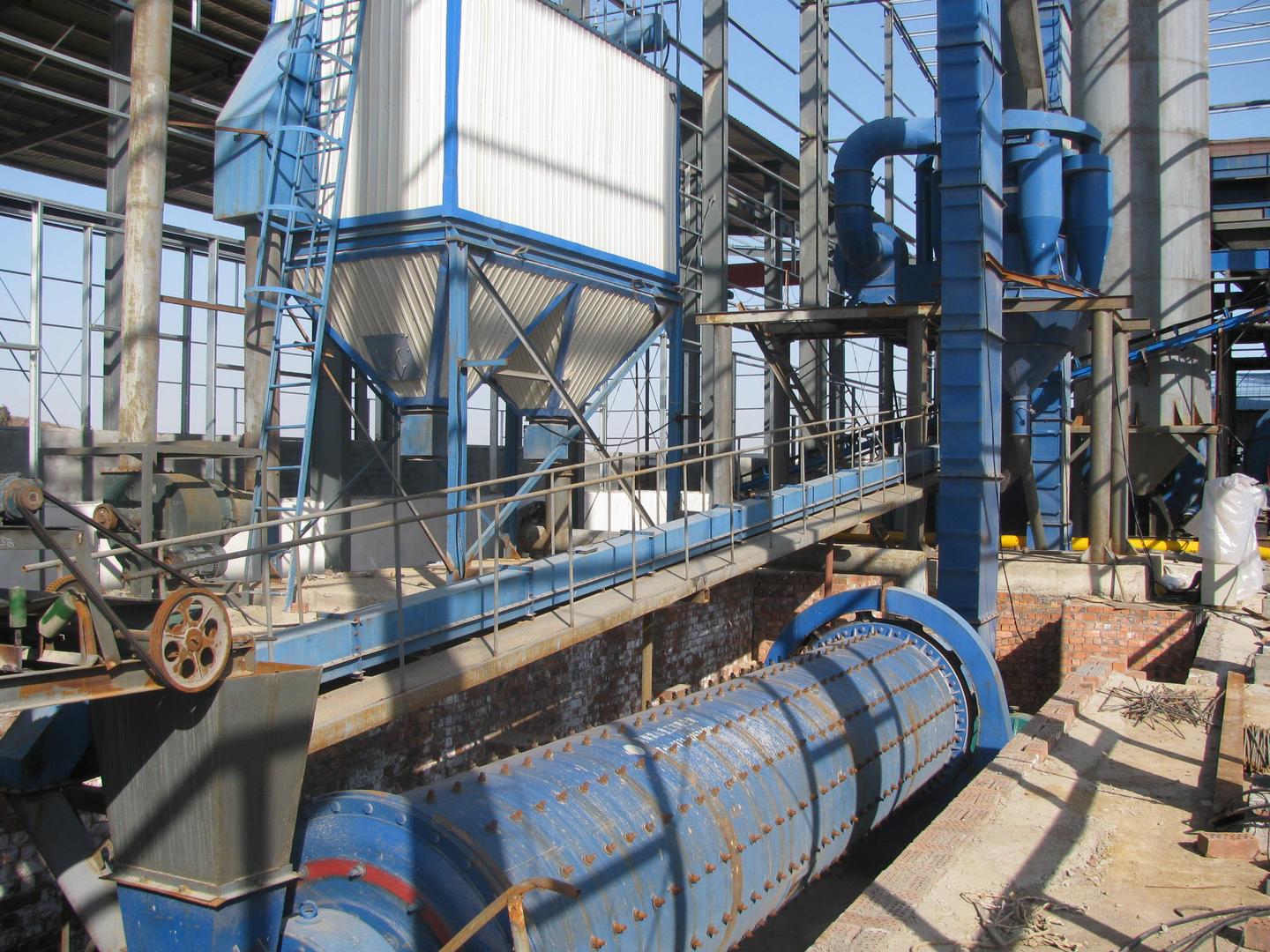
Our aluminum ash handling equipment is not only reliable and high-performance, but also very affordable. We offer a wide range of models, with more affordable models costing around a few hundred thousand yuan, while more expensive models can cost upwards of one million yuan. Our team of experts will tailor the optimal model of aluminum ash handling equipment to your specific needs, ensuring it meets the processing plant's production requirements and maximizes profitability.



