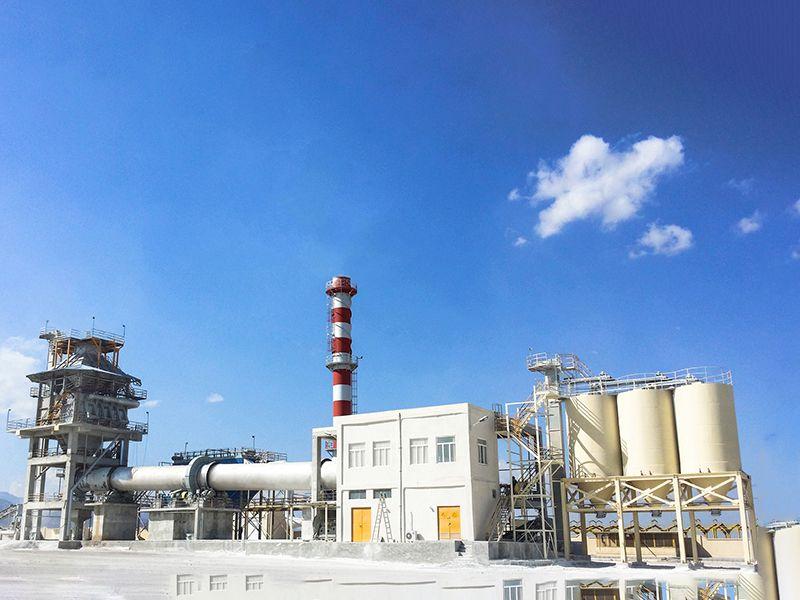
What equipment is needed to process aluminum ash?
What equipment is needed to process aluminum ash? The equipment required for aluminum ash processing is divided into two categories: primary aluminum ash processing equipment and secondary aluminum ash processing equipment. The equipment required for primary aluminum ash processing generally includes the following machines: jaw crusher, aluminum ash ball mill, linear vibrating screen, aluminum ash separator, aluminum ash rotary kiln, and corresponding dust removal and conveying equipment. The equipment commonly used for secondary aluminum ash processing includes aluminum ash rotary kiln, aluminum ash ball mill, aluminum ash separator, aluminum ash shaker, flotation machine, separator, ultrafine ash separator, and other equipment.
What equipment is needed to process aluminum ash? Here's a brief overview of the production process: Aluminum ash is transported to a buffer bin by a forklift and a conveyor belt. Then, it's evenly distributed through an automatic feeder into a ball mill. The ball mill crushes any agglomerates within the ash, as well as iron and mineral products encapsulated in smelting slag. The ash is then hoisted by an elevator into a buffer bin for sorting. After entering a drum or linear screen, the waste ash, aluminum particles (larger than 1mm), and impurities are screened. The separated waste ash will contain aluminum powder larger than 60 mesh, ready for secondary processing. This process is considered rough separation. Secondary separation involves air separation and gravity separation. After entering the separator, the ash analyzer is activated, and the heavier aluminum powder is removed from the bottom. This process also removes some impurities, such as smelting slag encapsulating the aluminum particles. If there's no slag in the ash, a single unit can be used, achieving a separation yield exceeding 90%. If there's a lot of slag, secondary processing is performed, with the slag removed by a grinding mill and the aluminum particles removed from the bottom. After the aluminum powder is broken up by the separation tank, it is separated from the waste ash by the negative pressure of the fan, and finally the separation effect is achieved.
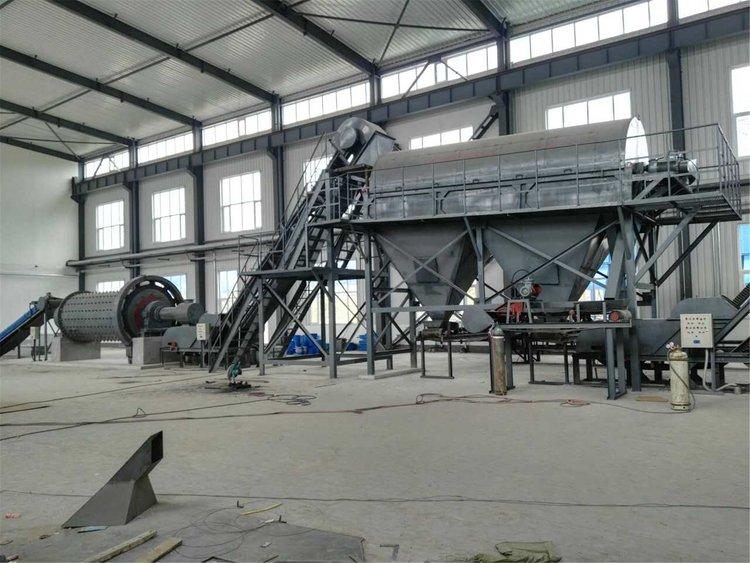
What equipment is needed to process aluminum ash? Here's an introduction to the functions of the equipment needed for aluminum ash processing:
1. Jaw crusher: A jaw crusher is used for coarse crushing of aluminum ash. Whether to use a jaw crusher depends on the size of the aluminum ash. If the aluminum ash contains a large amount of bulk material, a jaw crusher should be added to break down the bulk into smaller pieces for easier grinding.
2. Aluminum ash ball mill: Aluminum ash ball mills serve two purposes: first, to completely crush small aluminum ash pieces and completely separate aluminum particles from aluminum ash. Second, because aluminum is very ductile, grinding can "crush" smaller aluminum particles together, causing them to gradually grow larger during the grinding process, making them easier to separate.
3. Linear vibrating screen: The purpose of a linear vibrating screen is very simple: to separate aluminum particles from ash using a linear screen. The aluminum ash screen primarily consists of a motor, a reducer, a drum unit, a frame, a sealing cover, and an inlet and outlet. The drum unit is tilted and mounted on the frame. The motor is connected to the drum unit via a coupling via a speed reducer, driving the drum unit to rotate around its axis. Once material enters the drum unit, the tilting and rotation of the drum unit causes the material on the screen to flip and roll. Acceptable material (undersize product) is discharged through the outlet at the bottom rear end of the drum, while unqualified material (oversize product) is discharged through the outlet at the rear end of the drum. This flipping and rolling of the material within the drum ejects any material stuck in the screen holes, preventing clogging. The principles and structures of aluminum ash sand screening machines, aluminum ash sieving machines, and aluminum ash screens are nearly identical; the differences lie in their understanding and designations.
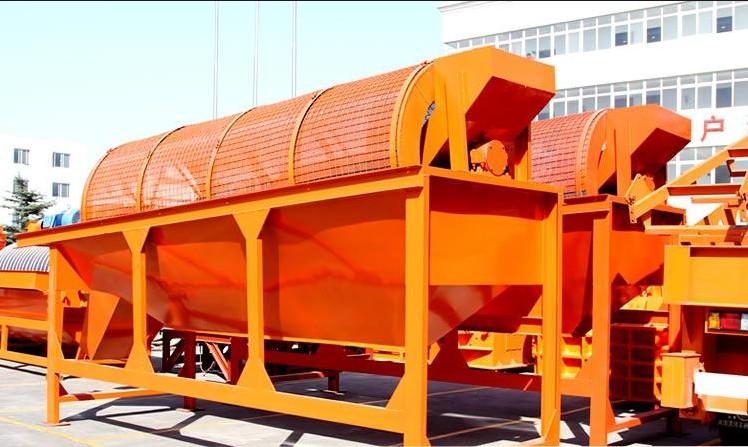
4. Aluminum Ash Separator: An aluminum ash separator is a highly efficient, specialized screening device specifically designed for aluminum ash screening. It is typically used after a linear vibrating screen as a secondary screening device to further refine the aluminum ash, resulting in a purer aluminum.
5. Aluminum Ash Rotary Furnace: Aluminum Ash Rotary Furnace is suitable for large-scale processing of hot slag, cold slag, and high-iron slag. It requires minimal staffing, requiring only one skilled forklift operator and one assistant. It can process several to dozens of tons of hot and cold aluminum slag per day, achieving extremely high efficiency. Hot slag raked from the furnace is transported to the rotary furnace using a rotary forklift. The forward and reverse rotation of the rotary furnace and the forward and backward stirring of the forklift rake separate the molten aluminum from the slag. Temperature control is crucial during operation, and cold slag or small-scale aluminum can be added as a temperature control agent and for secondary refining. After processing, the rotary furnace barrel is tilted and lifted using a hydraulic cylinder to pour out the molten aluminum. Once the molten aluminum is poured out, the barrel is rotated to unload the ash, making operation simple and convenient. The aluminum molten recovery rate from aluminum slag reaches over 80%. When used in conjunction with a screening-type cold ash drum, the overall recovery rate reaches over 90%. The rotary kiln and screening-type cold ash drum are ideal equipment for replacing crucibles and vertical ash roasters for large-scale processing of aluminum slag and cold slag.
The equipment required for aluminum ash processing consists of two independent systems and a common component. System 1 primarily handles hot aluminum ash; System 2 is primarily used for bag cleaning and cold aluminum ash processing. The common component (including a shared silo) centrally processes aluminum ash particles under 30mm, ball milling, crushing, and screening and sorting.
Equipment System 1: Hot Ash Processing Equipment Configuration and Functional Description:
Two hot ash mixing and separation units, one hot ash cooling unit, one screening and collection unit, and a dust removal system. This system can handle aluminum ash for a production capacity of 1 million tons of primary aluminum.
After the high-temperature aluminum ash from the mixing furnace is scraped into the aluminum ash box, it is transported to the hot ash mixing and separation equipment via a ground rail trolley. The aluminum ash is poured into the pot using the aluminum ash box turning mechanism. After stirring and separation, the aluminum liquid is discharged. The ash pot is turned over and the residual ash is poured into the cooling equipment for treatment. After cooling (below 60℃) and crushing, it is automatically screened and graded. Blocks larger than 30mm are selected and returned to the furnace directly, and blocks smaller than 30mm are sent to the ball mill for processing (they can also be sent to the silo for storage and centralized feeding of the ball mill through the bucket elevator. The silo, bucket elevator and system are shared by two) and screened and classified for the second time.
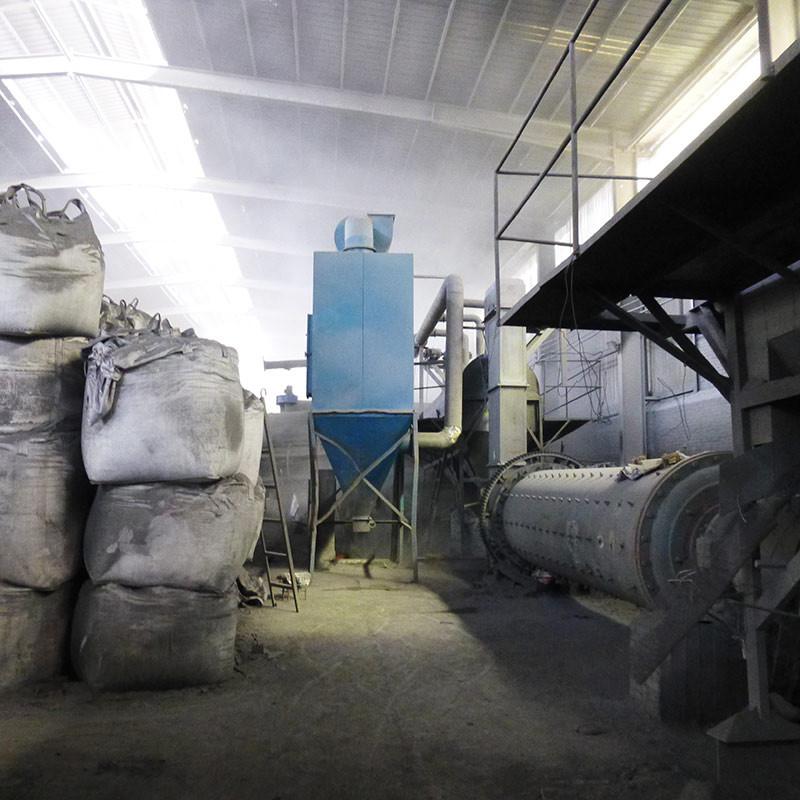
System 2 Equipment Required for Aluminum Ash Processing: Cold Ash and Cleaning Material Handling Equipment Configuration and Functional Description:
Feed inlet (including a screen to filter out lumps larger than 600mm), one dedicated cleaning material crushing and screening machine, and a dust removal system. This system meets the processing capacity for cleaning material and cold aluminum ash, partially meeting the 1 million tons of primary aluminum production capacity.
After cold aluminum ash and cleaning material enter the crushing equipment through the feed inlet, lumps larger than 30mm are selected and directly returned to the furnace. Material smaller than 30mm is fed into a ball mill (which can also be stored in a hopper to feed the ball mill; the hopper and hopper are shared with System 1) for secondary screening and classification.
Common Equipment Required for Aluminum Ash Processing:
One ball mill (directly connected to the screening equipment in Systems 1 and 2, and capable of receiving hopper feed), one screening and collection device, and a dust removal system (shared with System 1). This system meets the processing capacity for hot aluminum ash, cold aluminum ash, and materials smaller than 30mm generated by cleaning material processing.
Materials smaller than 30mm are processed in a ball mill, then automatically screened and graded using a drum screen. Lumps larger than 1mm are returned to the furnace. Powdered materials smaller than 1mm are bagged directly from the discharge port and transported via a ground rail vehicle to a storage location.
Control System Requirements:
Each system utilizes PLC control, with interlocking features between individual devices to ensure operational safety. The equipment is rationally designed, highly automated, and safe and reliable.
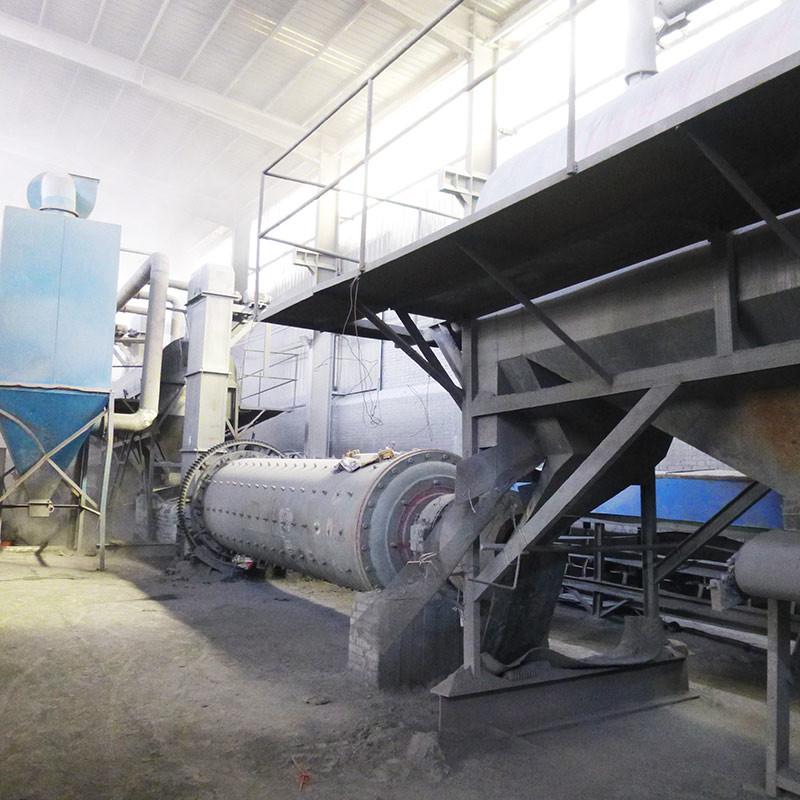
Processing aluminum ash requires a mechanized production line specifically designed to separate and process aluminum slag. This line allows for the hot recovery of usable aluminum from the slag produced in aluminum alloy melting furnaces. This treatment method is widely used internationally (in countries like Japan and South Korea) and is considered advanced technology in China. We have designed this production line for companies such as Yunnan Aluminum, Foshan Rongtang Aluminum, Nikkei Sho Ling Aluminum (Kunshan), Toyota Motor, Honda Motor, and Yulian Group.
What equipment is needed to process aluminum ash? Key features of aluminum ash processing equipment include:
① High processing capacity: 10,000 to 1,000,000 tons of aluminum ash can be processed annually;
② High degree of automation: PLC control fully automates the aluminum ash processing process; a "human-machine interface" allows for user-friendly equipment management and operation;
③ High recovery rate: The recovery rate of aluminum metal in aluminum ash exceeds 90% in the industry;
④ Effective environmental protection measures: The equipment's daily operation is environmentally friendly;
⑤ Reliable operation: The equipment components are scientifically designed and simple; it can operate 24/7 with a reliability rate of 99%;
⑥ Long life of consumables: Cast from a special alloy for a long service life.
To meet the new energy-saving and environmental protection needs, reduce operating costs, and meet the production needs of various users, Henan Kangbaiwan Machinery Company has developed energy-saving and environmentally friendly aluminum ash processing equipment. This equipment overcomes the shortcomings of traditional aluminum ash ball mills, such as low grinding efficiency, long processing cycles, and high power consumption, placing a greater emphasis on green and environmentally friendly production. So, what are these improvements? First, the use of a frequency converter to drive the ball mill system ensures smooth start-up, high grinding efficiency, increased production, and reduced energy consumption. Secondly, setting the mill speed to automatic adjustment mode can not only ensure the equipment's working efficiency, but also achieve the goal of saving electricity consumption. In addition, adding appropriate grinding aids increases the active matter of the equipment's grinding, reduces the phenomenon of subdivision and adhesion, and achieves energy saving and high production of the equipment.
The process for producing calcium aluminate using secondary aluminum ash processing equipment includes the following steps: Secondary aluminum ash (waste aluminum ash), formed after aluminum is smelted from primary aluminum ash, is sintered into calcium aluminate at high temperature using a complete set of aluminum ash rotary kilns. This process effectively removes harmful substances such as aluminum nitride and fluoride from the ash and recovers the corresponding byproduct (calcium aluminate), transforming the ash from hazardous solid waste to general industrial waste. Based on this process, the aluminum resources present are comprehensively utilized to produce the aforementioned aluminum compound products, achieving high-value utilization of the ash.
The secondary aluminum ash processing equipment harmlessly disposes of the ash, eliminating the environmental impact caused by its generation and accumulation. The production of dry-process aluminum fluoride from aluminum ash and fluorosilicic acid, a byproduct of phosphorus chemical plants, significantly increases the utilization value of the ash, generating substantial economic benefits and providing positive social and environmental benefits. The successful development of this new process has opened up a new avenue for the harmless and high-value utilization of secondary aluminum ash. The production of aluminum fluoride from aluminum ash generated in the aluminum production process realizes the recycling self-sufficiency of aluminum fluoride required by aluminum smelting and processing enterprises, which is conducive to reducing production costs and is beneficial to the green development of the aluminum industry.
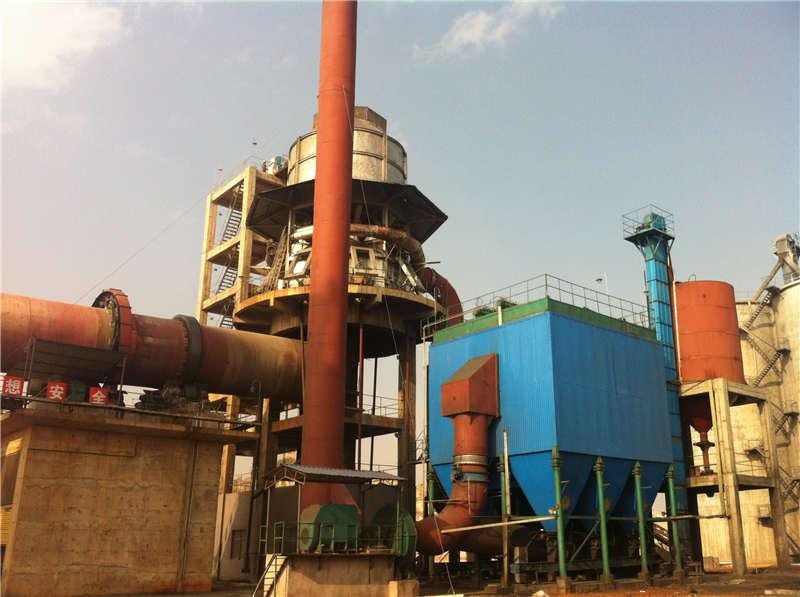
Aluminum ash is the cooling product of slag generated during the electrolytic or cast aluminum production process. Aluminum ash is a byproduct of the aluminum smelting and casting processes at electrolytic aluminum plants. It is also a byproduct of the aluminum melting process at secondary aluminum manufacturers, as well as aluminum profile mills, aluminum plate mills, aluminum product mills, alloy aluminum mills, and aluminum parts mills. Various byproducts are generated during the aluminum smelting and forming process. Aluminum ash, a major byproduct of the aluminum industry, is generated during all aluminum melting processes, accounting for approximately 1-12% of the total aluminum loss during production and use. Traditionally, aluminum slag has been discarded as waste, a practice that not only wastes aluminum resources but also creates environmental problems. Therefore, developing equipment and methods to cost-effectively utilize and manage aluminum slag will not only improve the economic benefits of the aluminum industry and effectively recycle resources, but will also have a significant impact on sustainable economic and social development.
How much does it cost to invest in equipment to process aluminum ash? In fact, the price of equipment on the market fluctuates according to actual conditions. Due to changes or updates in the equipment's technology, process, and raw materials, the equipment's production efficiency and capacity also change. Model parameters and production capacity will also vary. Therefore, the price of aluminum ash ball mills fluctuates with market changes. Our company's aluminum ash processing equipment is affordable, with rigorous workmanship, reliable quality, and affordable prices. We sell it to users at ex-factory prices. Our prices are reasonable, with low profit margins, often below the market price, saving users' production costs.