
Lead-zinc ore flotation plant equipment grinding flotation process
Lead-zinc ore beneficiation processes vary depending on the ore type. With the advancement of lead-zinc ore beneficiation technology, the commonly used lead-zinc flotation plant equipment grinding and flotation processes include gravity-flotation, magnetic-flotation, and gravity-magnetic-flotation. Flotation is generally essential for lead-zinc ore separation. Flotation processes can be categorized as either priority flotation or mixed flotation, specifically whether lead is floated first and zinc later, or the lead and zinc are floated together and then separated.
Flotation is a widely used beneficiation method in lead-zinc flotation plants. Different ore properties dictate different flotation process flows. Based on the number of flotation stages (the number of combined grinding and flotation steps), common lead-zinc flotation plant equipment grinding and flotation processes can be divided into single-stage grinding and flotation processes and staged grinding and flotation processes. So, what are the differences between these two flotation processes? How should we choose between them in practical production?
Single-stage grinding and flotation vs. staged grinding and flotation processes in lead-zinc flotation plants:
Single-stage grinding and flotation processes in lead-zinc flotation plants: If the ore has been ground to the upper limit of the flotation size after a single grinding step, and any flotation product does not require reflux, this is considered a single-stage grinding and flotation process. This single-stage grinding and flotation process is suitable for ores with uniformly distributed useful minerals, relatively coarse particle size, and resistance to muddling. Furthermore, if a fine, uniformly impregnated ore undergoes two consecutive grinding steps, and the flotation product does not require reflux, this flotation process is still considered a single-stage flotation process, also known as a two-grinding, one-separation process.
The grinding and flotation process of lead-zinc ore flotation plants involves a two-stage grinding-flotation process. If a flotation product requires regrinding and re-selection due to uneven ore distribution, this is called a two-stage grinding-flotation process. Similarly, multiple-stage grinding-flotation processes can be implemented (processes with two or more stages are collectively referred to as stage grinding-flotation processes). Common stage grinding-flotation processes are primarily two-stage processes, including concentrate regrinding, middling regrinding, and tailings regrinding. Stage grinding-flotation processes are often used to process ores with complex particle size distributions of useful minerals or ores prone to mudification during grinding.
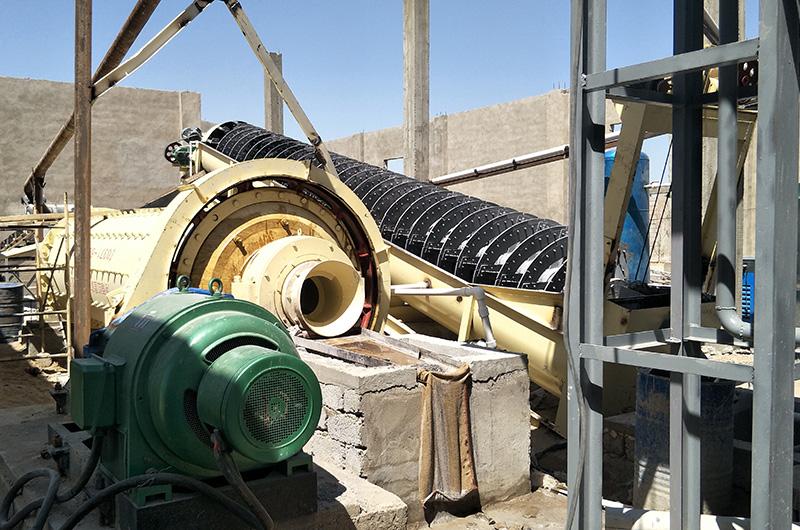
How to choose the grinding and flotation process for a lead-zinc flotation plant?
In actual production, the number of grinding and flotation stages in a lead-zinc flotation plant is often determined by the particle size of the minerals. Therefore, we can make targeted selections based on the distribution characteristics of the useful minerals.
1. Uniform distribution of coarse ore particles
Lead-zinc ore has a relatively coarse and uniform crystal size. When the ore is ground to the upper limit of flotation (e.g., 0.3mm for heavy metal sulfide ores), the useful minerals can be essentially separated into individual pieces. In this case, a single grinding and flotation process (flotation followed by coarse grinding) in a lead-zinc flotation plant can produce qualified concentrate and waste tailings.
2. Uniform dissemination of fine ore particles
Lead-zinc ore has a fine and uniform crystal size, typically requiring grinding to below -0.074mm to achieve essentially individual separation of the useful minerals. For this type of ore, when the impregnation particle size is fine and uniform, the lead-zinc flotation plant's grinding and flotation process can adopt a single-stage grinding and flotation process with two grinding stages and one selection. When the impregnation particle size is fine but uneven, and the particle size range required for individual separation is wide, a two-stage grinding and flotation process can be adopted, with the first-stage flotation middlings being re-grinded and then selected.
3. Uneven Ore Impregnation
Lead-zinc ores with uneven impregnation, characterized by coarse, medium, and fine particles, are common in practice. For this type of ore, the grinding and flotation process in the lead-zinc flotation plant often adopts a two-stage grinding and flotation process with re-grinding and then selection of middlings or tailings. This process involves first performing coarse grinding to separate the coarse particles and select a qualified concentrate. The middlings or rich tailings, which are intertwined, are then re-grinded and selected.
4. Ore Aggregate Impregnation
In some lead-zinc ores, several useful minerals impregnated with fine particles often occur as coarse aggregates. For this type of ore, a lead-zinc flotation plant can utilize a two-stage grinding and flotation process: first-stage flotation concentrate, followed by regrinding and re-selection. The first stage of grinding separates the useful mineral aggregates from the gangue, producing a mixed concentrate. This mixed concentrate is then regrinded and re-selected to separate the various useful minerals.
5. Complex Ore Dissemination
If the lead-zinc ore exhibits both uneven dissemination and aggregate dissemination, a two-stage grinding and flotation process can be employed: first-stage flotation of the rich tailings, followed by regrinding and re-selection of the mixed concentrate from the first and second stages.
Selecting the appropriate flotation process is crucial for achieving good separation performance and reducing production costs. When selecting a flotation process, mine owners should conduct ore dressing tests to determine the ore composition and properties. Based on the test results, they can select a flotation process that is appropriate and suits their specific mine conditions.
Four lead-zinc flotation plant grinding and flotation processes were implemented based on the varying floatability and oxidation rates of lead-zinc ores.
The first lead-zinc flotation plant grinding and flotation process involves first selecting lead sulfide, then lead oxide, then zinc sulfide, and finally zinc oxide. This process, referred to as the lead-first-then-zinc process, is suitable for ores with low oxidation rates and primarily high-grade sulfide ores. However, this process involves small amounts of oxide and lead oxide sandwiched between the lead sulfide and zinc sulfide ore processes. Due to the large differences in mineral floatability and the resulting complex operating conditions, the impurity content and recovery rate of the sulfide concentrate are difficult to control, and reagent consumption is high.
The second type of lead-zinc flotation plant equipment grinding and flotation process: first select lead sulfide, then zinc sulfide, and then select lead oxide and zinc oxide. This process, referred to as the sulfur-first, then oxygen-second process, floats the minerals sequentially, from easy to difficult. Because this process selects sulfide ore first and oxide ore second, each process adjusts reagents and operating conditions based on the characteristics of the minerals, resulting in minimal interference and conflicts. At moderate oxidation rates, sulfide ore recovery, especially zinc sulfide recovery, zinc content in lead oxide concentrate, and reagent consumption are superior to the lead-first, then zinc process.
The third type of lead-zinc flotation plant equipment grinding and flotation process: Flotation of a mixture of lead sulfide and zinc sulfide, followed by selection of lead oxide and zinc oxide, is used. The mixed sulfide concentrate is then separated. This process lacks distinction between easy and difficult, is complex, has numerous conflicts, is difficult to adjust and control, has a high impurity content, consumes a lot of reagents, and has low performance indicators.
The fourth type of lead-zinc ore flotation plant equipment grinding flotation process: lead sulfide and easy-floating lead oxide are sulfided and floated together, the tailings are selected as zinc sulfide, then difficult-floating lead oxide, and finally zinc oxide.
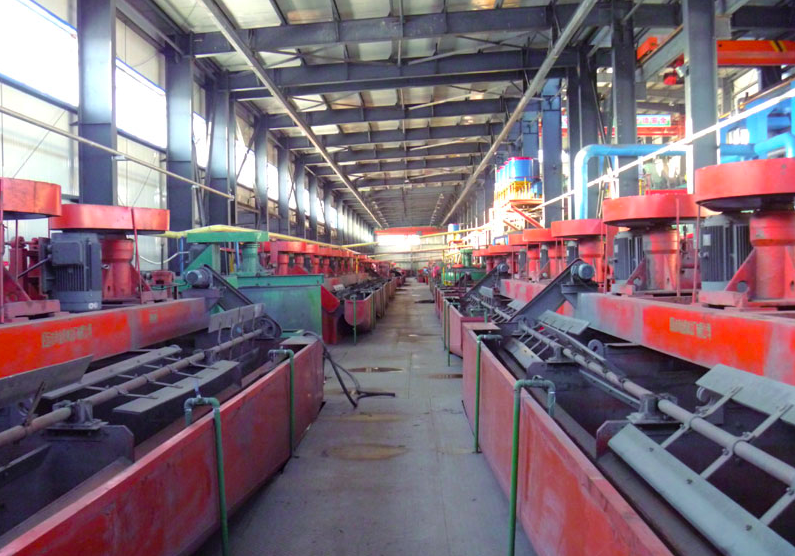
The design of the grinding process for lead-zinc flotation plant equipment varies significantly depending on the nature, origin, structure, and construction of the lead-zinc ore at each plant. Small plants, for economic reasons, often adopt a simple, single-stage grinding process for ease of operation and management. Large plants, to achieve optimal economic and technical results, typically compare multiple options to determine the optimal grinding process. Grinding mills are major energy consumers in a plant. To achieve energy conservation and consumption reduction, our company's energy-saving ball mills can be used in the grinding stage of lead-zinc ore beneficiation equipment, achieving energy savings of approximately 20%-30%.
Common flotation processes used in lead-zinc flotation plants include: mixed lead-zinc flotation - lead-zinc separation; and mixed lead-zinc flotation - lead-zinc separation - mixed zinc-sulfur flotation - zinc-sulfur separation.
Advantages of the grinding flotation process - mixed lead-zinc flotation - lead-zinc separation process in lead-zinc flotation plants: The flotation process performs two mixed lead and zinc flotations under weakly alkaline conditions and separates lead and zinc under weakly acidic conditions. This process allows for the simultaneous discarding of tailings and reduces metal loss. This lead-zinc beneficiation process allows for flexible configuration of the rougher concentrate and the return location of separated middlings to accommodate variations in ore grade.
Advantages of the grinding flotation process - mixed lead-zinc flotation - lead-zinc separation - mixed zinc-sulfur flotation - zinc-sulfur separation process in lead-zinc flotation plants: The mixed lead-zinc flotation process eliminates the forced suppression of easily floatable minerals by preferential flotation and the forced activation of difficult-to-float zinc minerals by mixed flotation. This reduces reagent consumption and minimizes the impact of residual reagents on subsequent separations, thereby improving production performance. Mechanical agitator flotation cells are typically used in this lead-zinc ore beneficiation process. With recent advancements in flotation cell technology, upgraded versions of these flotation cells have become widely used in newly constructed beneficiation plants. Xinhai's XJ and SF mechanical agitator flotation cells have seen significant performance improvements after these upgrades, primarily in terms of extended wear part life, increased air intake, and significantly reduced energy consumption.
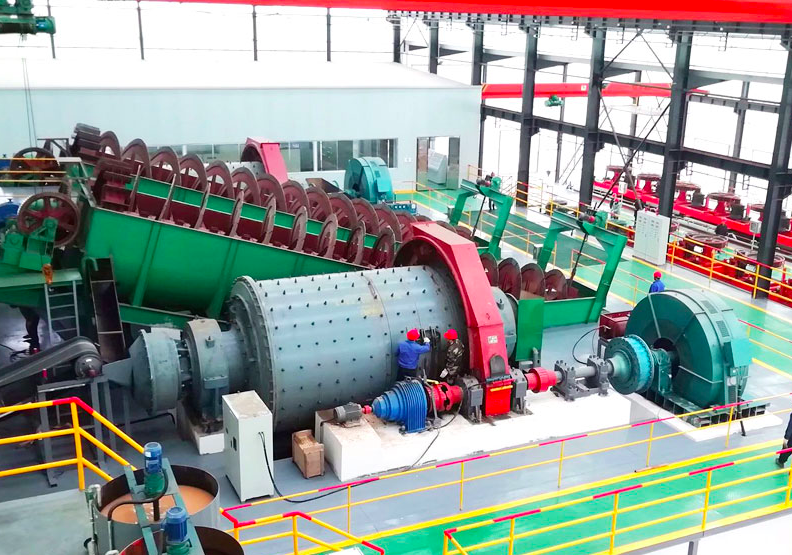
The preliminary design for a lead-zinc flotation plant at a certain lead-zinc mine primarily includes the following processes: crushing and screening, grinding and flotation, and concentrate dewatering. This process achieves a 95% recovery rate, resulting in significant socioeconomic benefits.
I. Crushing and Screening Process
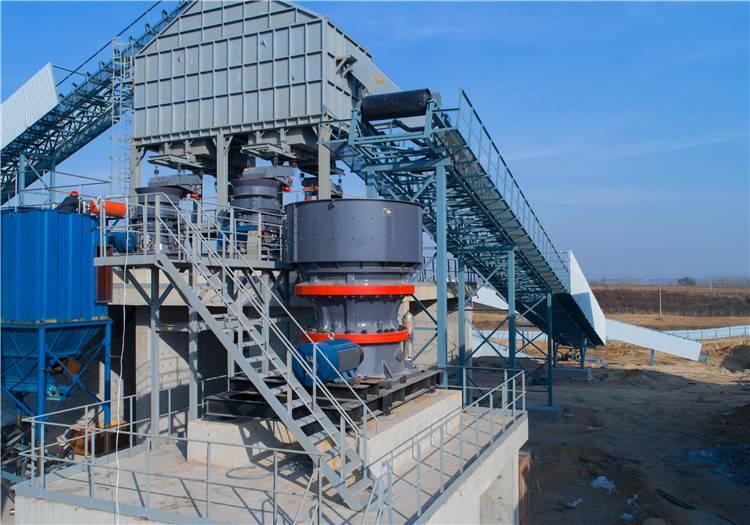
The crushing and screening system for the grinding and flotation process at the lead-zinc flotation plant includes a primary crushing station, an ore screening plant, a medium- and fine-grained stone crushing plant, a belt conveyor and transfer station, and a fine ore storage facility. The mine utilizes a three-stage crushing system, a secondary crushing unit with testing and screening, and a high-pressure roller mill as the fine-grained crushing equipment.
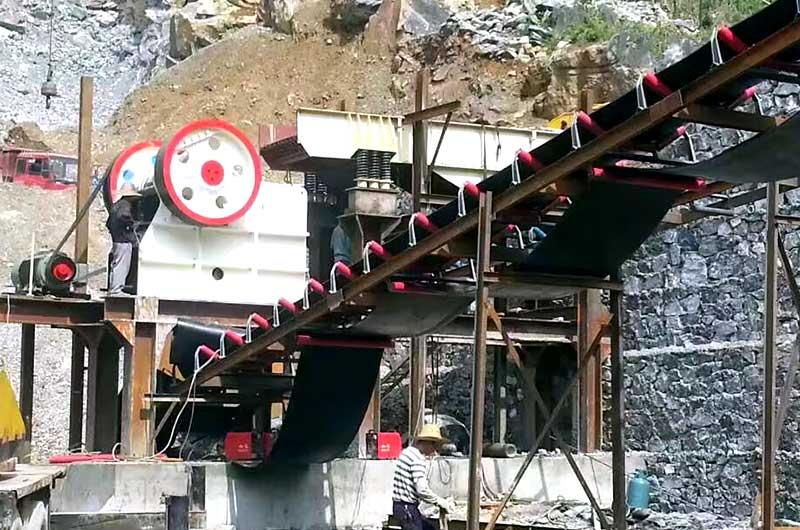
1. The surface primary crushing station utilizes a jaw crusher, achieving a particle size of 250-0mm after primary crushing, with a daily processing capacity of 8,000 tons. A vibrating ore discharger located below the ore bin in the main hoist shaft feeds the ore to a belt conveyor, which transports the ore to the buffer silo in the screening workshop for storage.
2. The screening workshop is equipped with a pre-screener and secondary crushing, inspection, and screening equipment. The pre-screening equipment utilizes a double-layer vibrating screen, while the inspection and screening equipment utilizes a thick vibrating screen. The screened ore product is conveyed by belt conveyor to the buffer silo located above the high-pressure roller mill in the secondary and fine crushing workshop.
3. The secondary and fine crushing workshops are equipped with two standard cone crushers and one roller mill. The secondary crushing equipment has a feed port width of 335mm and a discharge port width of 25mm, with an installed power of 400kW per unit. The roller mill has dimensions of 1.4m x 1.1m and an installed power of 2 x 560kW per unit.
4. The discharge from the secondary crushing plant is transported via a belt conveyor to the screening workshop for screening. The product from the roller mill is directly transported via a belt conveyor to the fine ore silo. A belt feeder is installed below the fine ore silo, supplying ore to the ball mills in the grinding and flotation workshops via belt conveyors.
II. Grinding and Flotation Process
The grinding and flotation process of the lead-zinc flotation plant includes grinding, classification, slag removal, flotation, and reagent preparation. The substation, power distribution room, automated centralized control room, blower, and air compressor rooms are located in the workshop. Both grinding and flotation operations are configured as a single series. The grinding equipment used is an overflow ball mill, and the flotation system is a series. Both utilize a combined process consisting of flotation columns, coarse-fine separation, and flotation cells as a supplement. The froth product, which is the result of prior flotation and fine separation, is the lead-zinc concentrate.
III. Concentrate Dewatering and Tailings Treatment Process
The lead-zinc concentrate from the grinding and flotation process of the lead-zinc flotation plant is dewatered using a two-stage process: concentration and filtration. The flotation concentrate is concentrated in a conventional concentrator and then filtered through a filter press to produce a filter cake, which is then transported by truck to the Dongwuqi smelter for processing. The tailings after beneficiation undergo concentration, transportation, and tailings treatment. The coarse tailings are classified and then filled into the goaf. The fine tailings are pumped to the tailings pond for storage via an oil-separated slurry pump. The overflow water is returned to the beneficiation plant via a return water pump for recycling.
Our company boasts a strong technical team comprised of renowned domestic mining equipment experts, leading experts in lead and zinc flotation technology, and leading design personnel from design institutes. We offer comprehensive technical support for the entire process of comprehensive utilization of non-ferrous and non-metallic minerals. Our project management team promptly provides the client and their designated design institute with the required design information, including equipment assembly drawings, foundation diagrams, and electrical wiring diagrams. Our dedicated technical staff promptly communicates with the design institute to ensure accurate configuration of on-site process systems and that electrical and automatic control systems meet process requirements. Based on customer-provided information such as plant production data and slurry flow diagrams, our professionals provide the most appropriate grinding and flotation process flowsheet for lead and zinc flotation plant equipment. Our dedicated technical service team is fully responsible for on-site installation and commissioning of our products. During installation, our dedicated technical staff provide on-site guidance to ensure proper installation and proper operation of the equipment. Professional mineral processing engineers also conduct on-site commissioning to ensure that the equipment's operational performance meets the client's requirements.



