
Wolframite Gravity Concentrator Process and Equipment
In production practice, the wolframite gravity concentration plant process primarily includes five stages: roughing, grinding, gravity, concentrating, and fine mud treatment.
1. Wolframite Gravity Concentration Plant Process - Wolframite Roughing Stage:
Hand sorting is a simple method for pre-enriching wolframite and is an essential operation in the wolframite beneficiation process. Removing qualified wolframite from the raw ore is called forward sorting, while removing waste rock from the raw wolframite ore is called backward sorting. Depending on the properties of the wolframite ore, a wolframite concentrator may employ either forward sorting, backward sorting, or a combination of forward and backward sorting.
II. Wolframite Gravity Concentrator Process - Wolframite Grinding Stage:
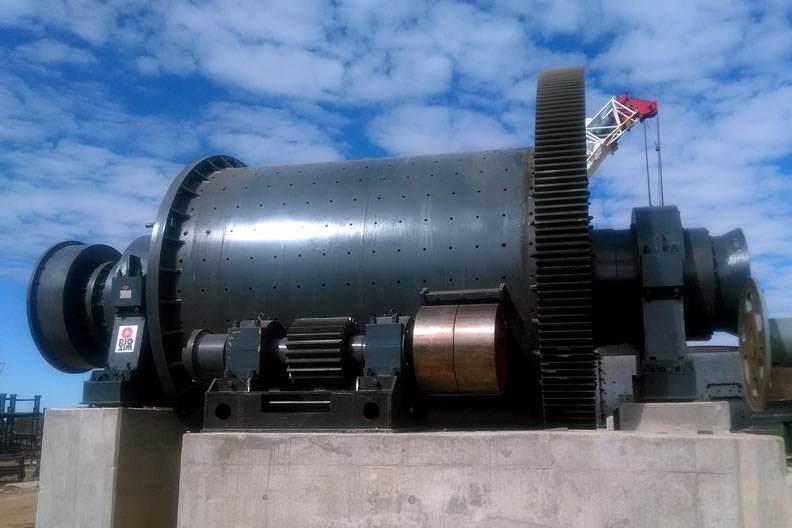
Due to its brittle nature and high specific gravity, tungsten is prone to over-grinding and over-crushing during the grinding process, resulting in excessive cross-sludge. Therefore, the grinding stage is particularly important in tungsten ore separation. Common wolframite gravity concentrator processes typically utilize a single-stage grinding process, a single-stage rod mill + intermediate mill, or a two-stage grinding process. Rod mills are often used in this stage of wolframite grinding to prevent over-grinding and ensure a uniform particle size of the ground product, meeting the particle size requirements for gravity separation.
III. Wolframite Gravity Concentration Plant Process - Wolframite Gravity Concentration Stage:
In principle, the wolframite gravity concentration stage of a wolframite gravity concentration plant process involves the raw ore undergoing one or two stages of grinding, followed by three stages of jigging, four or five stages of shaking tables, and centralized treatment of fine sludge to produce a coarse concentrate, with a large amount of tailings discarded. The coarse and medium-sized jigging tailings are then re-grinded in a rod mill, and the ground products are returned to a double-deck vibrating screen, forming a single closed circuit. Shaking tables typically use a double separation process, with the coarse and medium-sized shaker intermediates returning to the circuit and the sludge being treated separately. Common types of gravity concentration equipment used in wolframite gravity concentration plants include shaking tables, jigging, spiral chutes, and centrifuges. This article will provide a detailed understanding of these four types of wolframite gravity concentration equipment.
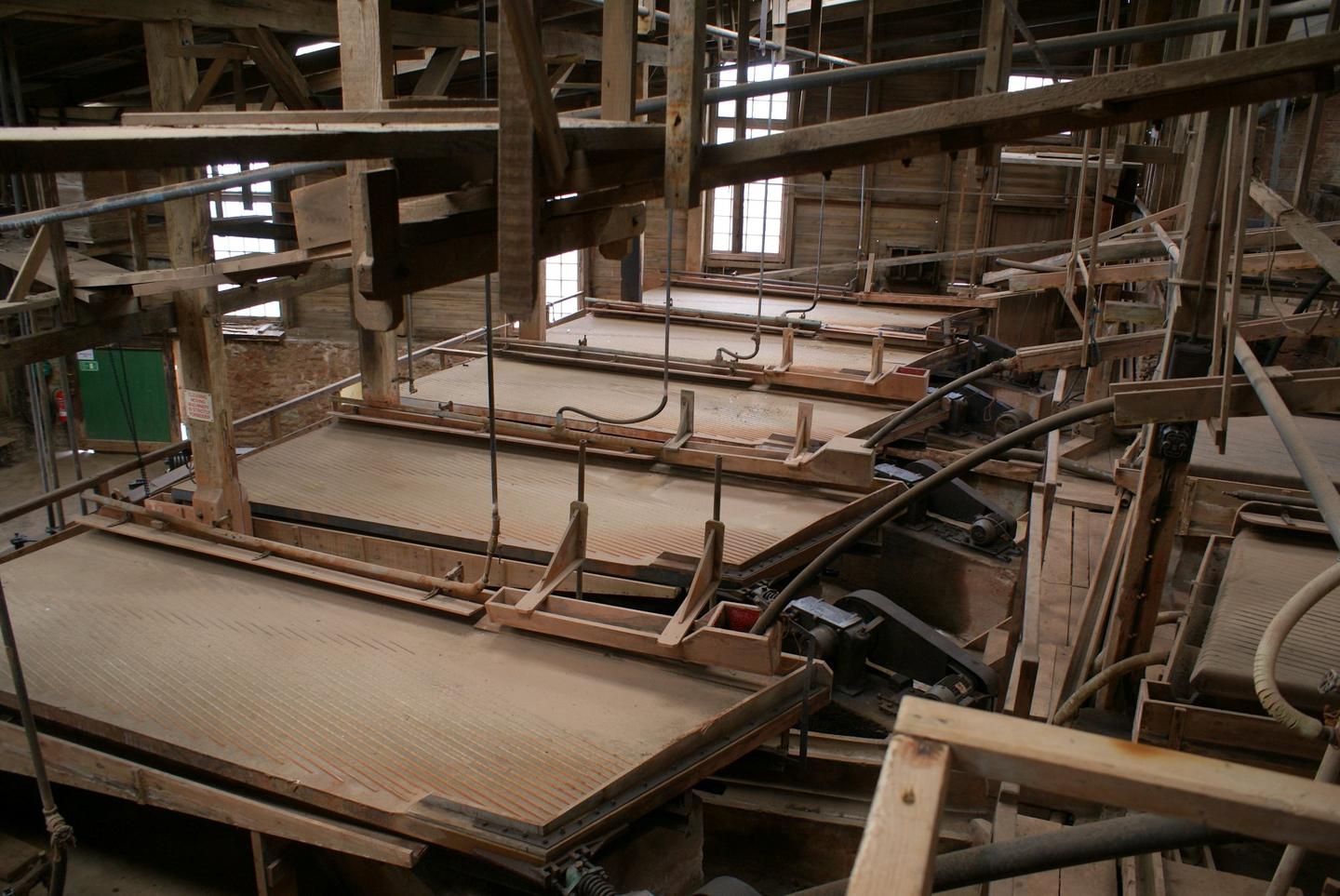
1. Wolframite Gravity Concentration Shaking Table
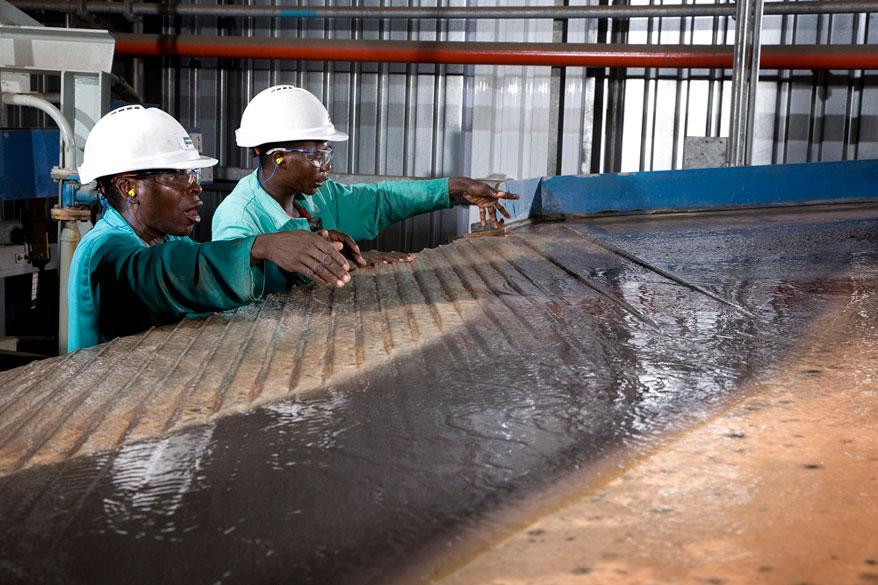
A shaking table is a traditional piece of equipment in wolframite gravity concentration plants, widely used for separating medium and fine-sized wolframite ore. Its suitable feed size is 0.037-2mm. Wolframite ore concentrators utilize the asymmetric reciprocating motion of the table surface and the action of water flow on a narrow slope to separate ore on a wide, sloping bed. This method offers advantages such as high enrichment rates and direct tailings removal. Furthermore, the distinct mineral compartments on the table facilitate observation, adjustment, and product recovery. However, concentrators also have drawbacks, such as low processing capacity, the need for numerous units, large floor space requirements, and high water and electricity consumption.
2. Wolframite Gravity Jig
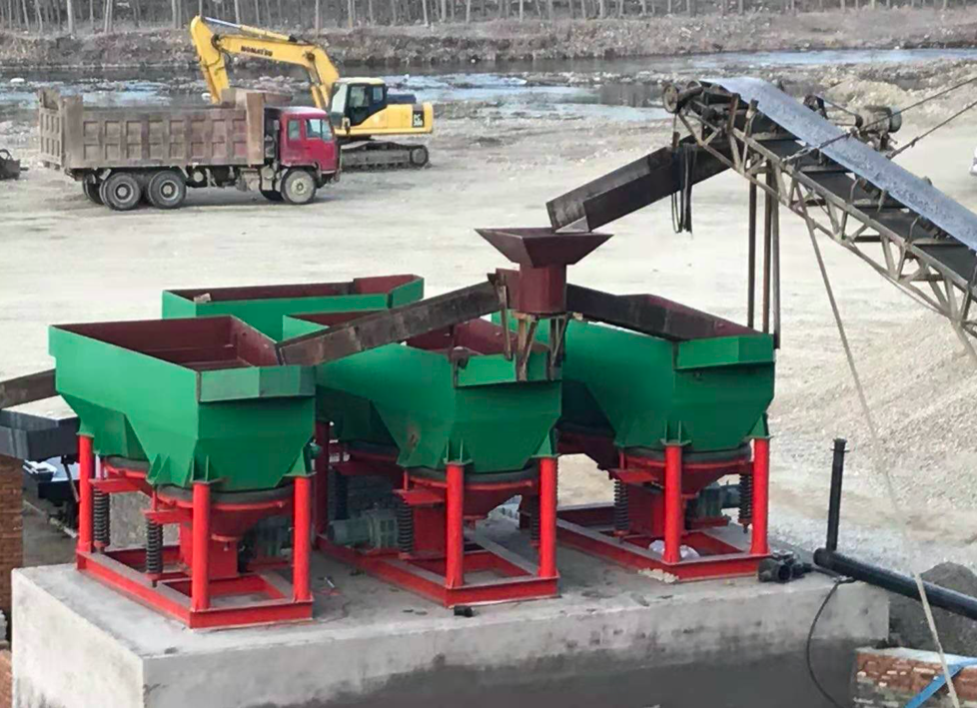
A jig is a core piece of equipment in wolframite gravity separation. It is suitable for separating coarse and medium-sized wolframite. The coarse-sized jigging particle size is 8-10mm, and the medium-sized jigging particle size is 1.5-5mm. The jig uses a moving screen to move the bed screen in the jig chamber up and down in an orderly manner, gradually integrating with the movement of the water medium to achieve a greater stroke, significantly improving the separation efficiency and processing capacity of the wolframite. Using a jig for wolframite gravity separation offers advantages such as high separation efficiency and recovery rates, but its high water consumption can lead to increased gravity separation costs.
3. Spiral Chute for Wolframite Gravity Separation
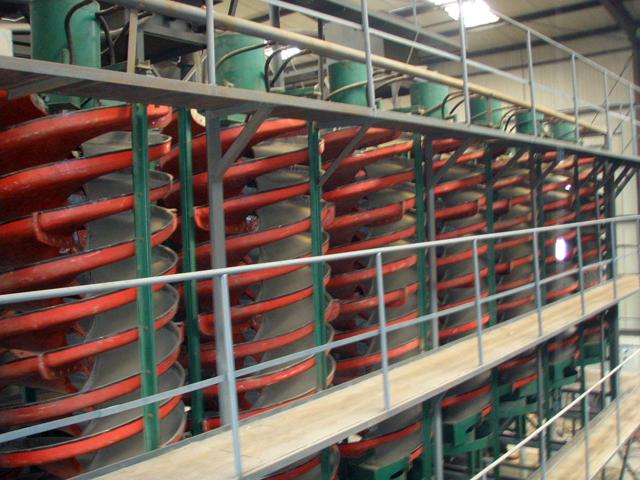
A spiral chute is a key piece of equipment in a wolframite gravity separation plant, suitable for separating fine wolframite with a particle size of 0.3-0.02mm. The spiral chute primarily utilizes a downward rotational motion of the slurry flow along a vertical axis and a lateral circulation motion to separate the wolframite ore into layers based on density and particle size differences. Compared to shaking tables and jigs, spiral chutes have a higher processing capacity and lack any transmission components, requiring no power or water. Their structure is relatively simple, resulting in better separation results. They perform both classification and desludging during the separation process, making them an excellent device for gravity separation and tailings removal. Furthermore, spiral chutes occupy a smaller plant floor space, saving energy and investment. However, their disadvantages are that their enrichment ratio is not as high as that of shaking tables and chutes, and their parameters are difficult to adjust.
4. Wolframite Gravity Separation Centrifugal Concentrator
A centrifugal concentrator is a new type of gravity concentrator used in wolframite gravity separation plants. It recovers wolframite in a particle size range of 37-19 μm. Using a centrifugal concentrator for wolframite gravity separation, the centrifugal force generated by the centrifuge's high-speed rotation primarily acts as a slurry separator. This equipment's significant advantage lies in its ability to fully recover fine ore particles. Using a centrifugal concentrator for rough wolframite separation can achieve an enrichment ratio of up to 6x, with a wolframite recovery rate generally maintaining at 75%-80%. For fine separation, the enrichment ratio can reach up to 5x, with a recovery rate of 85%-90%. However, centrifugal concentrators consume more water and electricity than chutes, and the production process is intermittent, preventing continuous ore feeding.
IV. Wolframite Gravity Concentration Plant Process - Wolframite Concentration Stage:
After gravity separation, the coarse concentrate of wolframite often contains high-value non-ferrous metals such as tin, molybdenum, bismuth, copper, and zinc, as well as rare metals such as tantalum and niobium. Therefore, the coarse concentrate must be concentrating.
1. Wolframite Gravity Concentration Plant Process - Wolframite Magnetic Separation
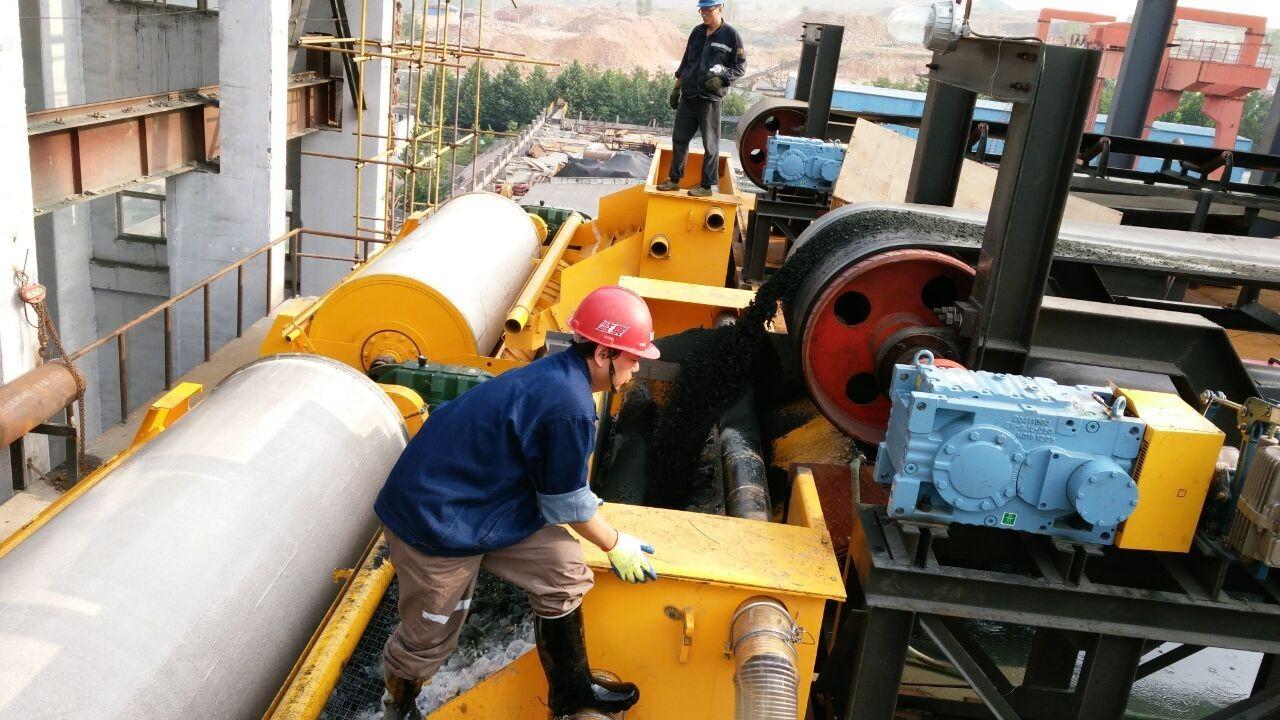
The coarse concentrate concentrating operation is generally intermittent, and the coarse concentrate requires drying before concentrating. Coarse-grade wolframite magnetic separation utilizes a single- or multi-disc dry magnetic separator. This type of separator is bottom-fed and highly selective, processing a particle size range of 0.074-3mm. After magnetic separation, a relatively pure tungsten concentrate can be obtained, but the tailings contain a high tungsten content, requiring multiple scavenging steps. Furthermore, the feed to the disc magnetic separator must be graded; the narrower the particle size, the better the magnetic separation effect.
2. Wolframite Gravity Concentration Plant Process - Wolframite Table Flotation
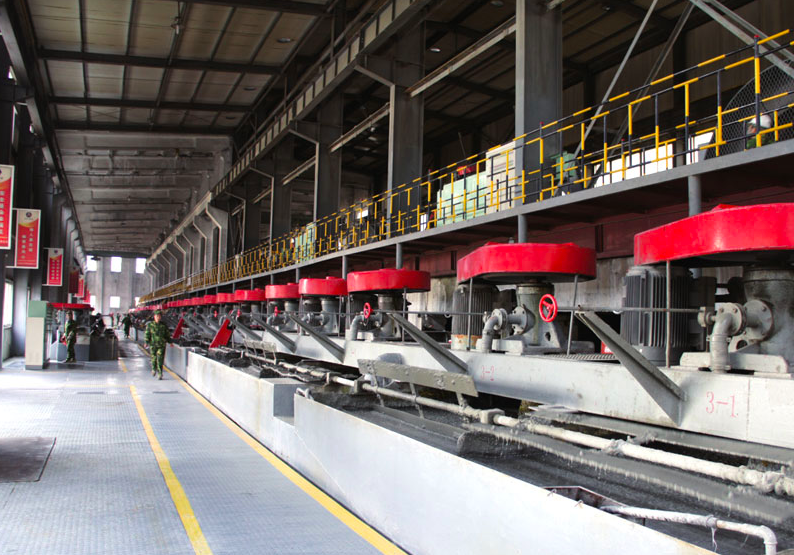
Table flotation is a key separation method in wolframite gravity concentration plants. It involves simultaneous gravity separation and flotation on the same equipment (a shaking table). In a coarse-grained state, the wolframite table flotation method can separate easily floatable sulfides from other minerals while simultaneously separating minerals of different specific gravities on the bed surface. This method combines gravity separation with flotation, achieving superior separation results, simplifying the process flow and improving production efficiency. It can also process coarse-grained materials (up to 3mm), saving grinding costs and avoiding over-crushing of useful minerals.
V. Wolframite Gravity Process - Wolframite Sludge Treatment Stage:
During the wolframite sludge treatment stage, desulfurization is first performed. Depending on the properties of the sludge, tungsten minerals are recovered using gravity separation, flotation, magnetic separation, electrostatic separation, or a combination of these processes. Associated metal minerals are also comprehensively utilized.
The above describes the commonly used wolframite gravity separation process and equipment. Miners are advised to select appropriate equipment based on comprehensive factors such as the wolframite's properties, particle size, and investment, and to utilize a more energy-efficient and efficient wolframite gravity separation process. Before wolframite separation, it is recommended to conduct wolframite beneficiation tests to improve the wolframite's resource recovery rate, avoid losses and waste, and achieve optimal economic benefits.
The basic features of the wolframite re-concentration plant's process and equipment include fine crushing and coarse grinding, staged sorting, early recovery of what can be recovered, early disposal of what should be discarded, enhanced classification, slime re-entry, centralized processing of raw (coarse) concentrate, and comprehensive recovery.
Jig separation is a key process in wolframite re-concentration plants, and the tungsten concentrate recovered through this process generally accounts for over 50% of the total re-concentrated concentrate. Jigging separation is performed in a jig. The characteristic process is that the roughly selected tungsten ore is continuously fed onto the sieve plates in the jig chamber, forming a thick material layer (bed). An upward flow of water is periodically pumped through the sieve plates to lift and loosen the bed. The water then descends. During this transition, particles of varying densities shift relative to each other, with heavy minerals entering the bottom layer as concentrate and light minerals moving to the upper layer as tailings. When sorting wolframite, my country's wolframite re-concentration plants will pre-divide the roughing ore into coarse, medium and fine particle sizes for jigging, commonly known as "three-stage jigging". Usually, the jigging recovery rate of coarse and medium particle sizes is between 65% and 75%, and that of fine particle sizes is between 35% and 45%.
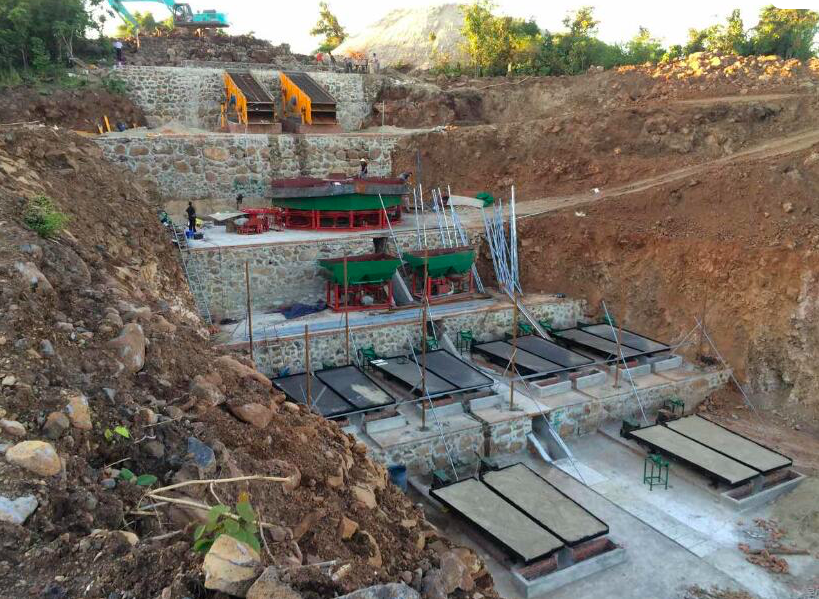
Wolframite re-concentration plant process and equipment: Jig types include diaphragm jigs, hydraulic agitation jigs, pistonless jigs, and dynamic screen jigs. Currently, the most widely used is the dynamic screen jig. It primarily utilizes a combination of up-and-down vibration of the jig chamber bed and the movement of the water medium to achieve a greater stroke, resulting in higher tungsten ore separation rates and lower water consumption. Furthermore, dynamic screen jigs can also be used for early roughing operations. Early jig recovery and tailings removal from the shaking table are core to the re-concentration process. Because tungsten concentrate recovered by jigs generally accounts for over 50% of the total re-concentration concentrate, recovering wolframite concentrate early in this process reduces the workload in subsequent processes and plays a crucial role in lowering production costs.
The advantages of using gravity separation in wolframite re-concentration plant processes and equipment are obvious: low cost and environmental friendliness. However, due to the low processing capacity of gravity separation equipment and poor fine mud recovery, its development was limited. Consequently, after the 1970s, gravity separation fell into decline and was replaced by flotation. During this period, many new and expanded concentrators, such as Climax and Tempiut in the United States, adopted flotation processes. By the late 1970s, with the development of high-efficiency, high-capacity gravity separation equipment and the advancement of automatic control technology, gravity separation experienced a resurgence, regaining its place in tungsten beneficiation.
Wormite re-concentration plant processes and equipment use gravity separation to separate materials. The most important factor is the density difference between light and heavy minerals. The difficulty of separation can be simply determined by the density difference of the materials to be separated.
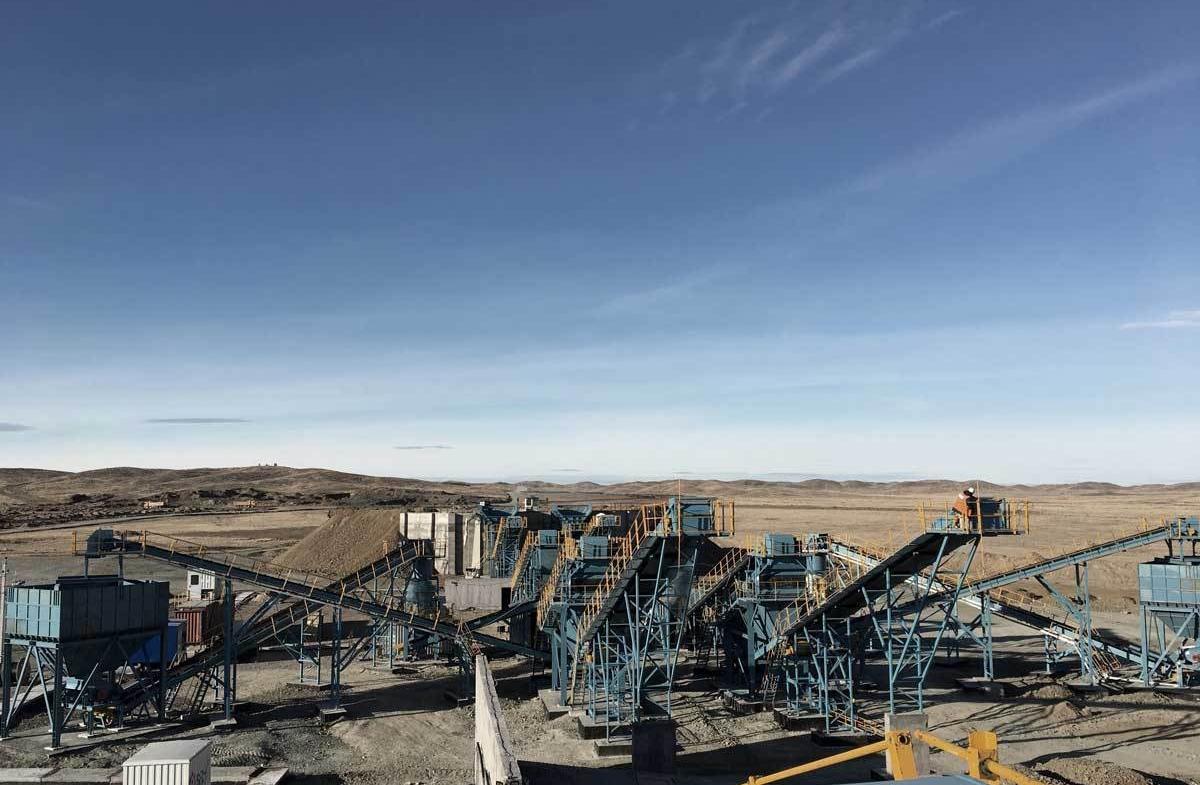
The processes and equipment used in my country's wolframite re-concentration plants are largely similar, generally consisting of three-stage jigs, multi-stage bed separation, one or two stages of closed-circuit grinding for the coarse and medium jig tailings, and stage separation. Primary and secondary sludge are separated into rich and poor grades or processed together. The number of grinding stages and the process flow within each stage vary depending on the plant's production scale, but the stage separation structure remains largely unchanged. Acceptable ore from the coarse separation stage is screened through a double-decker vibrating screen into three particle sizes: 8-4.5 mm, 4.5-1.5 mm, and -1.5 mm. These are then separated in different types of jigs, yielding oversize concentrate, undersize concentrate, and tailings. Fine-grained (-1.5 mm) jig tailings undergo hydraulic classification, yielding four grit products and an overflow. The overflow is fed to the slime section, while the grit is fed to shakers for separation. The shakers separate the final coarse concentrate, middlings, and final tailings. The middlings are then fed to the scavenger shaker for further separation. After dewatering in a spiral classifier, the reselected ore is fed to a rod mill for regrinding. After grinding, it is sent to a second-stage shaker for sorting. The coarse concentrate and waste tailings produced by the second shaker are combined with the corresponding products from the first stage. The middlings are returned to the rod mill for recycling. The coarse and medium jigs produce the final coarse concentrate, but not the final tailings. The jig tailings are dewatered, regrinded, and reselected. The process is essentially the same as for treating fine-grade jig tailings. Primary ore slime and secondary ore slime (up to 0.075 mm/s produced during the crushing, grinding, and classification processes) are sent to the fine slime stage for separate processing.



