
Tantalum-niobium mining equipment
Tantalum-Niobium Mining Equipment | Tantalum-Niobium Mining Mechanical Processing Methods for Tantalum-Niobium Ore include gravity separation, magnetic separation, electrostatic separation, flotation gravity separation, flotation, and chemical treatment. Tantalum-Niobium ore beneficiation processes are generally divided into two stages: roughing and concentrating. Roughing primarily utilizes gravity separation, but a combined magnetic separation and flotation process is also used. The resulting concentrate is a low-grade mixed coarse concentrate.
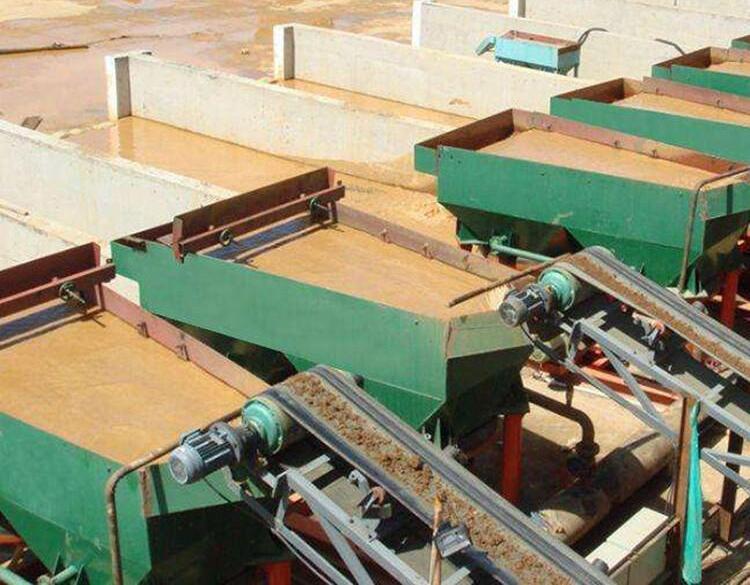
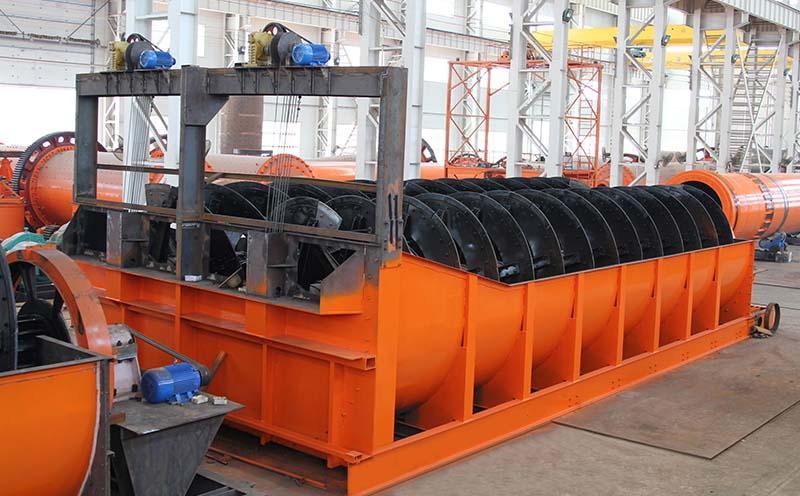
Tantalum-niobium mining equipment | Tantalum-niobium mining machinery is generally divided into roughing equipment and concentrating equipment. Roughing equipment mostly uses ore washing and gravity separation methods for enrichment, discarding a large amount of waste rock from the ore before entering the concentrating process. Tantalum-niobium ore concentrating methods include magnetic separation, flotation, electrostatic separation, etc. The specific beneficiation method is determined by the specific properties and composition of the ore. African tantalum-niobium ore has simple properties and a simple composition, so the beneficiation method of African tantalum-niobium ore is also simple. Generally, the raw ore is washed and desludged with a ore washer before entering gravity separation equipment such as a jig for gravity separation and enrichment. The gravity-separated coarse concentrate obtained by the jig is further purified by magnetic separation, electrostatic separation, and other methods.
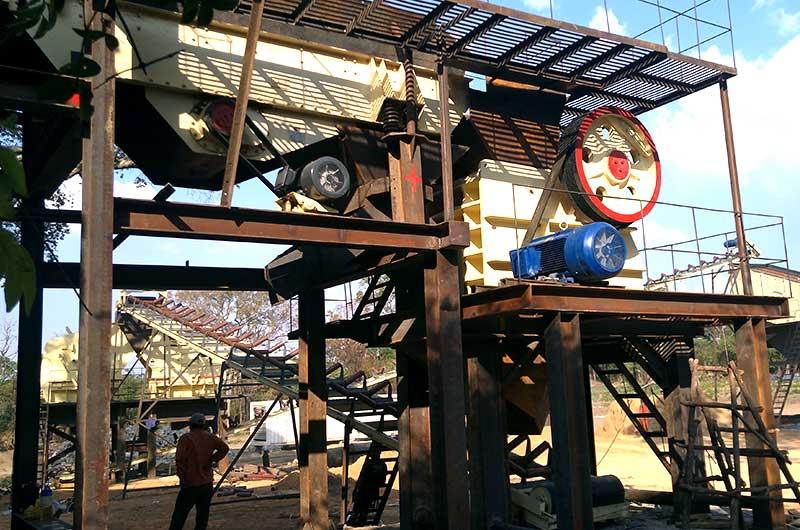
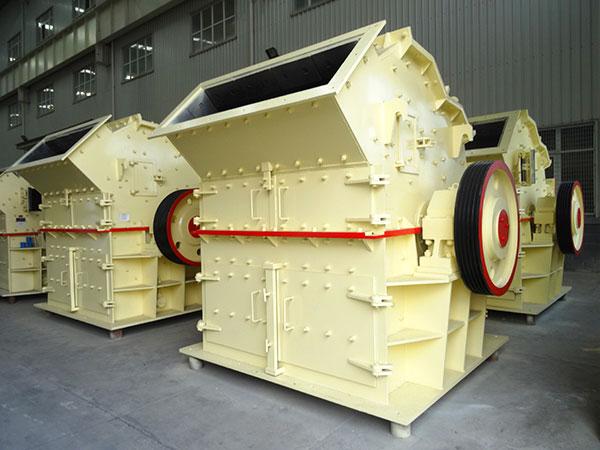
Tantalum-niobium mining equipment and machinery operate as follows: Tantalum-niobium ore is coarsely crushed by a jaw crusher and then enters the screening process. The crushed tantalum-niobium ore is screened into two grades: 30mm and above. Material larger than 30mm enters the secondary crushing process and then returns to the screening process for screening. Material smaller than 30mm enters the silo, where an electromagnetic vibrating feeder evenly feeds the material into the AM30 jig for coarse jig beneficiation, producing a coarse concentrate and tailings. If the tailings contain undissociated tantalum-niobium ore, the tailings are dewatered and then finely crushed in a rod mill. After fine crushing, the material enters a trapezoidal jig for fine jig beneficiation, producing the final concentrate and tailings.
Tantalum-niobium mining equipment and machinery beneficiation process: Tantalum-niobium ore has a complex mineral composition, unstable composition, and low content of valuable components, resulting in a relatively complex beneficiation process. The typical beneficiation process for tantalum-niobium ore consists of two steps: roughing and concentrating. Different deposit types contain different types of tantalum-niobium minerals, resulting in different beneficiation processes. The beneficiation process for primary tantalum-niobium ore and fine-crystal ore: The tantalite and niobite in these ores often coexist with beryl, spodumene, and cassiterite. Roughing primarily utilizes a multi-stage grinding and multi-stage gravity separation process. For some ores, gravity separation-flotation-gravity separation or gravity separation-flotation separation is also employed. Tantalum-niobium ore beneficiation equipment and tantalum-niobium ore concentrating equipment often utilize a combined process. Depending on the type of tantalum-niobium minerals and associated minerals, a combination of magnetic separation, gravity separation, flotation, flotation-gravity separation, electrostatic separation, and chemical separation is often employed. Ore with a high mud content should be desludified beforehand. Tantalum-rich fine-crystal ore, due to its fine particle size, is often separated using flotation. Tantalite-Niobiite Placer Ore Processing Process == This type of ore has been dissociated into its basic units, with useful mineral density greater than 4. Some minerals are magnetic, so gravity separation is used for roughing. The rough concentrate is mainly refined using a combination of magnetic separation-gravity separation, magnetic separation-electrostatic separation, and flotation.
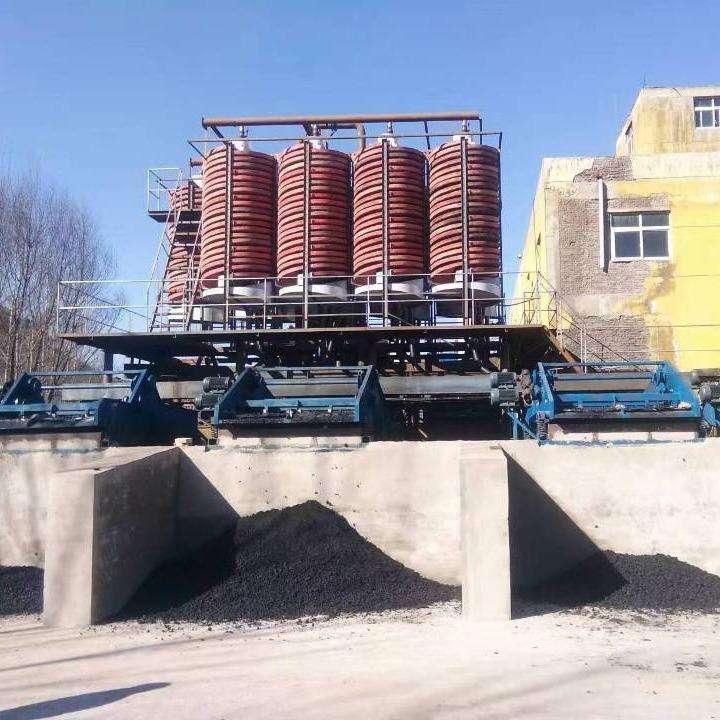
Tantalum-Niobium Mining Equipment | Tantalum-Niobium Mining Mechanical Gravity Separation Process: Primary tantalum-niobium ore is typically processed using staged grinding and multi-stage gravity separation. Separation equipment is often added to the grinding circuit to recover individual minerals earlier. Tantalum-niobium placer ore, due to its relatively well-dissociated individual minerals, generally does not require crushing and grinding. Prior to selection, it is screened to remove lumps and pebbles, followed by roughing. Coarse-grained tantalite-niobium ore is roughly separated using jigs or spiral concentrators (including rotating spiral chutes), with the rougher concentrate being concentrated using shaking tables. Fine-grained tantalite-niobium ore is roughly separated using spiral chutes or shaking tables, with the rougher concentrate being concentrated using shaking tables. Tantalum-niobium sludge is roughly separated using centrifugal concentrators or multi-stage shaking tables, with the rougher concentrate being concentrated using belt chutes or trough belt chutes combined with sludge shaking tables. This process is characterized by low investment, rapid implementation, low cost, and minimal environmental pollution. However, its slime separation efficiency is low.
Tantalum-niobium mining equipment | Tantalum-niobium mining mechanical gravity separation - flotation - gravity separation or gravity separation - flotation process: Coarse and fine-grained materials are subjected to gravity separation, while ore slimes are subjected to flotation. Before flotation, small-diameter cyclones or centrifugal concentrators are generally used for desliming. Then, alkyl sulfonated succinates are used as collectors, sodium silicate, and oxalic acid as adjusters. Flotation is carried out at a pH of 2-3, and the flotation concentrate is concentrated using a Holman sludge shaker-crossflow belt chute. Alternatively, styrenephosphonic acid is used as a collector, sodium fluorosilicate, and lead nitrate as adjusters, and flotation is carried out at a pH of 6. The flotation concentrate is concentrated using a vibrating belt chute or a crossflow belt chute. Alternatively, hydroxamic acid and transformer oil (2:1) are used as collectors, sodium hydroxide and sodium silicate as adjusters, and flotation is carried out at a pH of 8-8.5. Hydroxamic acid and transformer oil are added to the flotation concentrate, and oxalic acid is used as an inhibitor, and concentration is carried out at a pH of 2.5-3. Tantalite or niobium concentrate can be obtained by the above methods. This process is characterized by high separation index, but the tantalum and niobium content in the removed fine mud is often close to the original ore grade, the reagent consumption is large, and the production cost is high.
Tantalum-Niobium Mining Equipment | Tantalum-Niobium Mining Mechanical Gravity Separation - Magnetic Separation - Gravity Separation Process: Gravity separation is used for coarse-grained materials. A combination of magnetic separation and gravity separation is used for fine-grained materials and slimes. This process is characterized by high separation efficiency for fine-grained tantalite and niobium, but the tantalite and niobium minerals in the ore must possess weak magnetic properties.
Tantal-Niobium Mining Equipment | Tantalum-Niobium Mining Mechanical Concentration Methods for Tantalite-Niobium Coarse Concentrates: Tantalite-Niobium coarse concentrates typically have complex compositions and are difficult to separate. This often requires a combination of one, two, or more of the following methods: magnetic separation, gravity separation, flotation gravity separation, flotation, electrostatic separation, and chemical treatment. In particular, the separation of tantalite and niobium from certain refractory minerals requires a combination of separation methods. For example, magnetic separation, electrostatic separation, or flotation is typically used to separate tantalite and niobium from garnet and tourmaline.
Tantalum-Niobium Mining Equipment | Characteristics of Tantalum-Niobium Mining Mechanical Beneficiation: Primary tantalum-niobium ore is typically processed through multi-stage grinding and multi-stage gravity separation; separation equipment is typically installed within the grinding circuit to facilitate early recovery of individual minerals. Tantalum-niobium ore sand generally does not require crushing or grinding due to the relatively good dissociation of individual minerals. Prior to selection, it is screened to remove lumps and pebbles before entering a jig for roughing. Coarse-grained tantalite-niobium ore is subjected to roughing with a jig or spiral concentrator, while the rougher concentrate is concentrated using a shaking table. Fine-grained tantalite-niobium ore is subjected to roughing with a spiral chute or shaking table, while the rougher concentrate is concentrated using a shaking table. Tantalum-niobium sludge is subjected to roughing with a centrifugal concentrator or multi-layer turning bed, while the rougher concentrate is concentrated using a belt chute or a cross-flow belt chute combined with a sludge shaking table. This process is characterized by low investment, rapid commissioning, low cost, and minimal environmental pollution, but the slime separation efficiency is relatively low. When oleic acid is used as a flotation collector during flotation, a sodium sulfide concentration of 10-20 mg/L can suppress tantalite and some gangue. When using a cationic collector, sodium sulfide initially activates some minerals, such as tantalite, but as the amount of sodium sulfide increases, the recovery rate of tantalite decreases. When oleic acid is used to collect tantalite, a small amount of sodium fluorsilicate can suppress all minerals.
Tantalum-niobium mining equipment and machinery are determined based on the properties of the ore. For low-grade, evenly distributed tantalum-niobium ore, flotation equipment is typically used for ore separation and purification. Either cationic or anionic collectors can be used. Complexing collectors (such as sodium hydroxamate) are particularly effective. Tantalum-niobium ore floats best when using oleic acid as a collector at a pH of 6-8. Both tantalite and niobite are suppressed in acidic media, while quartz, feldspar, and dolomite exhibit poor floatation at any pH. Therefore, using oleic acid as a collector at a pH of 6-8 makes it easy to separate tantalum-niobium ore from gangue materials such as quartz.
Tantalum-niobium ore is an irreplaceable metal in industry. It is generally characterized by low grade, fine particle size, brittleness, and complex mineral composition, making the beneficiation process complex. To promote advancements in tantalum-niobium ore beneficiation technology, manufacturers of tantalum-niobium mining equipment and machinery have reviewed these technologies. They point out that roughing tantalum-niobium ore should primarily rely on gravity separation, while fine separation typically utilizes magnetic separation, flotation, and electrostatic separation. Electrostatic separation is primarily used for impurity removal and comprehensive recovery of concentrates; flotation can effectively recover tantalum-niobium slime; and chemical beneficiation is an effective process for processing low-grade, complex tantalum-niobium ores. Therefore, combined process flows are often employed for the separation of tantalum-niobium ores.
Our tantalum-niobium mining equipment, including tantalum-niobium mining machinery, gravity separation equipment, flotation equipment, grading equipment, and screening equipment, has gained international acclaim thanks to the superior performance of our products and our dedicated after-sales service. Our products hold a 15% market share in China's gravity separation equipment market. Furthermore, we adhere to an internationalization strategy throughout our development, continuously strengthening our efforts to explore international markets based on market demand and the strengths of our products. Our products are currently sold in over 50 countries, including the United States, the United Kingdom, Australia, Brazil, Turkey, South Africa, Zimbabwe, Sudan, Ghana, Congo, Morocco, India, Indonesia, Malaysia, the Philippines, South Korea, Mongolia, Vietnam, and Thailand. Our services include comprehensive services such as preliminary mineral analysis, mineral processing laboratory research, engineering design, equipment manufacturing, installation, design and commissioning, and technical training. We provide comprehensive services to our clients, solving every challenge from investment to return on investment.



