
Hematite mining equipment
Hematite ore beneficiation can be performed using washing, gravity separation, flotation, magnetic separation, roasting and magnetic separation, or flotation and electrostatic separation. This involves crushing, screening, grinding and grading the raw ore before it enters the beneficiation stage, where magnetic separation, flotation, and gravity separation equipment are used to separate the hematite concentrate. Different beneficiation processes are used depending on the ore's properties. Heavy suspension separation is often used for coarse-grained or lumpy ore mixed with depleted material. Some beneficiation plants use jig separation for granular ore and spiral concentrators for gravity separation or high-intensity magnetic separators for magnetic separation of medium- and fine-grained ore.
Early hematite mining equipment | Hematite mining mechanical beneficiation Hematite beneficiation processes generally used gravity separation processes, mainly including jigs, centrifugal concentrators, spiral chutes, spiral concentrators, and shaking tables. Due to their small beneficiation processing capacity, low beneficiation grade, and low recovery rate, they were gradually eliminated. Later, flotation and high-intensity magnetic separation processes were developed for hematite beneficiation, mainly direct flotation using oxidized paraffin soap as a collector and high-intensity magnetic separation using electromagnetic flat-ring high-intensity magnetic separators as separation equipment. However, their separation technical indicators did not achieve satisfactory results. In recent years, hematite beneficiation technology has made great progress. Its main hematite beneficiation processes are high-intensity magnetic separation processes represented by electromagnetic pulsating high-gradient magnetic separators and reverse flotation processes represented by series. In particular, the use of a combined high-intensity magnetic-flotation process has enabled some mines to achieve satisfactory iron concentrate grade and iron concentrate recovery rates in hematite beneficiation.
Currently, hematite mining equipment and machinery mostly utilize magnetic separation-gravity separation, magnetic separation-flotation, or gravity separation-magnetic separation-flotation processes. Some concentrators first recover hematite using gravity separation. Magnetite is then recovered from the gravity separation tailings using magnetic separation. Others use flotation (Lara, Norway) or electrostatic separation (Wabush, Canada) for further separation, or use fine screening before the final separation stage. The magnetic separation-gravity separation process first recovers magnetite using weak magnetic field separation, and then recovers hematite from the magnetic separation tailings using gravity separation. The magnetic separation-flotation process, on the other hand, uses flotation as the primary process for separating hematite concentrate, recovering coarse-grained hematite and magnetite using gravity separation, and recovering fine-grained magnetite using magnetic separation. For densely crystalline hematite-magnetite quartz, gravity separation is widely used to separate coarse-grained intercalated ore, while high-intensity magnetic separation or flotation is used to separate fine-grained ore. For clayey hematite ores, ore washing or dry magnetic separation is mainly used.
Below, we will focus on different hematite beneficiation processes and suitable hematite mining equipment and machinery.
1. Hematite Magnetic Separation Process and Equipment
Hematite Mining Equipment and Machinery Magnetic separation of hematite utilizes magnetic differences in the mineral to separate it in an uneven magnetic field. When the ore slurry enters the separation chamber, the magnetic particles are magnetized by the uneven magnetic field. The magnetic attraction forces them to the drum and are then carried to the discharge end. Hematite magnetic separation can be divided into two types: weak magnetic separation with high magnetic separation and high magnetic separation with flotation.
Weak magnetic separation with high magnetic separation involves thickening the tailings after weak magnetic separation, followed by high magnetic roughing and scavenging. The rough concentrate obtained from the high magnetic roughing is then concentrated and then subjected to a magnetic separator for concentrating.
High-intensity magnetic flotation: High-intensity magnetic separation produces a coarse concentrate, which is then further ground and then subjected to flotation to produce a hematite concentrate. Gangue minerals are then discharged directly.
Hematite Mining Equipment | Commonly used magnetic separation equipment for hematite mining machinery includes wet magnetic separators (high-gradient pulsating magnetic separators) and dry magnetic separators (magnetic drums).
High-gradient pulsating magnetic separators: Suitable for processing finer hematite ores, with an upper feed size limit of 2mm. They offer strong adaptability, a high enrichment ratio, and a low recovery size limit.
Magnetic drums: Suitable for processing coarser hematite ores with a particle size range below 30mm. They have a high magnetic field strength and excellent separation efficiency.
II. Hematite Flotation Process and Mineral Processing Equipment
Hematite Mining Equipment | Mechanical flotation is one of the main methods for hematite separation. Based on the surface properties of the mineral, an appropriate amount of reagent is added to the flotation machine. Agitation and aeration generate a large number of dispersed bubbles. The buoyant ore particles adhere to these bubbles and, with the help of the bubbles' buoyancy, rise to the surface, forming a froth product. Hematite flotation can be divided into direct flotation and reverse flotation.
Direct flotation of hematite uses anionic collectors to float the iron ore from the raw ore, eliminating the need for desludging and discarding tailings at a coarse particle size.
Reverse flotation of hematite uses anionic or cationic collectors to float the gangue minerals from the raw ore.
Hematite mining equipment and machinery primarily include mechanical agitation flotation cells (SF, JJF, and BF flotation cells) and aerated agitation flotation cells (KYF and XCF flotation cells).
In practical applications, aerated mechanical agitation flotation cells equipped with slurry suction troughs or mechanical agitation self-aspirating flotation cells are more suitable for small and medium-sized hematite concentrators. For the roughing and scavenging operations in the flotation process of large and extra-large hematite concentrators, mechanical agitation aerated flotation cells are more suitable.
III. Hematite Gravity Separation Process and Equipment
Hematite Mining Equipment | Mechanical Gravity Separation for Hematite Separation Hematite separation utilizes the differences in particle size (or specific gravity) between hematite and other gangue ores. The separation is achieved by gravity, fluid dynamics, and other mechanical forces within a moving medium. Hematite gravity separation primarily includes jig gravity separation, shaking table gravity separation, and chute gravity separation.
Jig gravity separation utilizes the differences in specific gravity of minerals to separate them into separate layers within a vertically moving, variable-speed medium flow. Minerals with lower specific gravity are deposited in the upper layer, while those with higher specific gravity are deposited in the lower layer. Mechanical and water flow are then used to separate the separated materials.
Shaking table gravity separation: According to the different densities of the minerals, the transmission mechanism is used to drive the bed surface to make longitudinal reciprocating motion, making the flow and bed surface differential motion. The mineral particles undergo stratification perpendicular to the bed surface and separation parallel to the bed surface during the reciprocating motion, so that different particle sizes are distributed on the bed surface in a fan-shaped manner, and the concentrate, sub-concentrate, middlings and tailings can be intercepted in sequence.
Chute gravity separation: According to the different specific gravities of the minerals, with the combined action of water flow, mineral gravity, friction between the mineral particles and the bottom of the trough, the minerals are settled in different areas of the trough according to their specific gravity. The mineral particles with low specific gravity are carried away by the water flow, leaving the mineral particles with high specific gravity, and the separation is completed.
Hematite mining equipment | Hematite mining machinery mainly includes jigs, shaking tables, and spiral chutes.
Jigs: Suitable for processing coarse hematite, with a separation particle size range of 30 (20) ~ 0.5 mm. The process operation is simple, the equipment has a large processing capacity, and strong adaptability.
Shaking Table: Suitable for processing fine-grained hematite, with a separation range of 2 to 0.037 mm. This reliable equipment offers clear and visible ore distribution, produces higher-rich ore compared to other beneficiation methods, and is easy to manage.
Spiral Chute: Suitable for processing fine-grained hematite with low mud content, with a separation range of 0.1 to 0.37 mm. It features a simple structure, strong adaptability, high throughput, and low overall cost.
IV. Roasting-Magnetic Separation Process and Ore Dressing Equipment
Hematite Mining Equipment | Hematite Mining Machinery The roasting-magnetic separation process involves roasting hematite or pseudo-hematite under certain temperature and atmosphere conditions to reduce it, converting it into magnetite. The magnetic difference between the iron ore and gangue minerals is then exploited for magnetic separation to produce iron concentrate. Commonly used hematite beneficiation equipment is a weak magnetic field magnetic separator (permanent magnetic drum separator).
Permanent magnetic drum separators can be used for pre-selection, roughing, and concentrating of hematite, with a particle size range of 2-10mm. They offer strong adaptability, high magnetic separation efficiency, and a long service life.
The above is an introduction to common hematite beneficiation processes and hematite mining equipment | hematite mining machinery. In actual beneficiation plants, when choosing hematite beneficiation technology and equipment, one should look for professional hematite equipment manufacturers or manufacturers with beneficiation qualifications. Through beneficiation test analysis, one can customize the hematite beneficiation technology and configure beneficiation equipment that suits one's actual situation to achieve an ideal return on investment.
Hematite Mining Equipment | Hematite Ore - Hematite jaw crusher is a crushing equipment developed by our company by introducing advanced crushing technology from Germany and combining the advantages of domestic hematite crushing equipment. The advantages of this equipment are mainly reflected in the following aspects:
(1) Large processing capacity and high output: The crushing chamber design of this equipment is a "V"-shaped structure from the outside, which can effectively improve the passing capacity of hematite and greatly increase the output.
(2) Good wear resistance and reliable quality: The jaw plate and other components of this equipment are made of high-quality wear-resistant chromium alloy from Germany. The wear resistance and corrosion resistance are unmatched by any domestic jaw crusher manufacturer, and the quality is quite reliable.
(3) Super high crushing efficiency: Due to the special novel structural design of this equipment, its crushing efficiency is increased by more than 30% compared with the jaw crusher of the same specification.
Hematite Mining Equipment | Hematite Mine - There are many types of hematite cone crushers, from the old spring cone crusher to the hydraulic compound cone crusher, and then to the current single-cylinder, multi-cylinder, and fully hydraulic cone crushers. The cone crusher has developed to the present day, and its working capacity has improved a lot. There are fewer failures in medium crushing. Basically, all the cone crushers now use hydraulic models with a very low failure rate. Take the new single-cylinder hydraulic cone crusher as an example. Its single hydraulic cylinder can simultaneously perform multiple functions such as cavity cleaning, iron removal, and discharge adjustment. The number of body components is reduced, and the equipment failure rate is also greatly reduced. The intelligent central control system and touch screen operation have greatly improved the automation level of the cone crusher. The development of science and technology has reduced the intensity of human labor and improved work accuracy. Both production capacity and material quality have been significantly improved.
Hematite Mining Equipment | Hematite Ore - The hematite compound crusher combines the advantages of a jaw crusher and an impact crusher. Its strengths lie in two key areas. Firstly, its quality is highly reliable. Its structural design and high-quality materials ensure long-term stable operation and can operate in any environment without causing any damage. Secondly, its crushing efficiency is exceptionally high. Its crushing method results in a high crushing ratio, resulting in a crushing efficiency over 40% higher than that of a similarly sized compound crusher.
Hematite Mining Equipment | Hematite Ore - The hematite ball mill is a type of ball mill and a key component in the grinding of hematite ore. Its components are exceptionally durable and made of high-quality materials. For example, the wear-resistant lining within the cylinder provides excellent wear resistance. Specialized rolling bearings are used as the cylinder support structure, eliminating issues such as the lifespan of the heavy-duty rolling bearings used in the sliding bearings and cylinder movement.
Hematite Mining Equipment | Hematite Ore - Hematite magnetic separators utilize the intensity and gradient of the magnetic field to perform integrated separation of minerals, simplifying the separation process, increasing processing capacity and mineral recovery, and reducing beneficiation costs. Hematite magnetic separators offer both dry and wet separation methods, each suited for different mineral purification and beneficiation environments. They feature magnetic field intensities up to 14,500 Gs, a large magnetic field gradient, low power consumption, and stable performance. They are suitable for the separation and purification of all weakly magnetic minerals, including coarse-grained hematite, limonite, specularite, and manganese ore.
Hematite Mining Equipment | Hematite Ore - Hematite jigs are one of the most common gravity separation equipment. They can process coarse-grained hematite. They separate the iron ore based on the specific gravity difference between iron ore and gangue, ultimately yielding pure iron concentrate and tailings, thereby improving iron grade. The jig can process coarse, medium and fine hematite, but the prerequisite is that the iron minerals are coarsely embedded, there is a significant difference in specific gravity between the iron minerals and the gangue, and the optimal monomer dissociation degree must be ensured before entering the jig for separation.
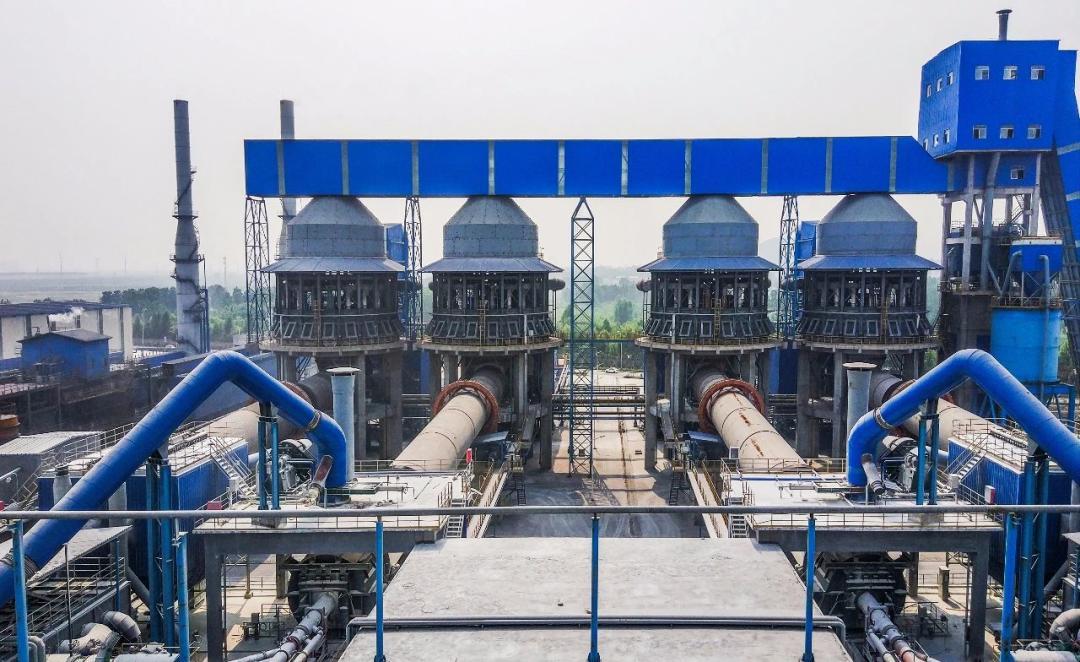
Hematite Mining Equipment | Hematite Ore - A hematite rotary kiln consists of three parts: the kiln head, the kiln body, and the kiln tail. The main body of the rotary kiln is 30 to 150 meters long and cylindrical, with three to five rollers in the center. The cylinder is factory-processed into three to ten sections, transported by large trucks to its destination, and then welded together. The rollers, also known as "rings," are cast from molten steel. The kiln body's steel plates are slightly thicker in this area due to their load-bearing properties. The supporting rollers, also part of the kiln body, are connected to the foundation along with the rollers and serve as the load-bearing support for the entire hematite rotary kiln. A set of rollers typically consists of two rollers and two retaining rollers. During normal operation, the hematite rotary kiln is lined with refractory bricks.
Factors Affecting the Price of Hematite Mining Equipment and Machinery:
1. Type: Due to the varying conditions at different hematite mines, the type and model of hematite mining equipment and machinery selected can vary significantly, leading to varying market prices.
2. Manufacturer: Different manufacturers vary greatly in their nature. Direct-sales manufacturers produce a wide variety of hematite mining equipment and machinery, guaranteeing quality and performance, and offering very reasonable prices. Small-scale processing plants, on the other hand, lack production experience and lack quality assurance, resulting in higher prices. Therefore, users should always purchase equipment from reputable manufacturers.
3. Region: As we all know, there are numerous manufacturers of hematite mining equipment and machinery in China, and each manufacturer is located in a different region. If prices are high and the economy is developed in a region, the price of the equipment will be higher; otherwise, the price will be lower.
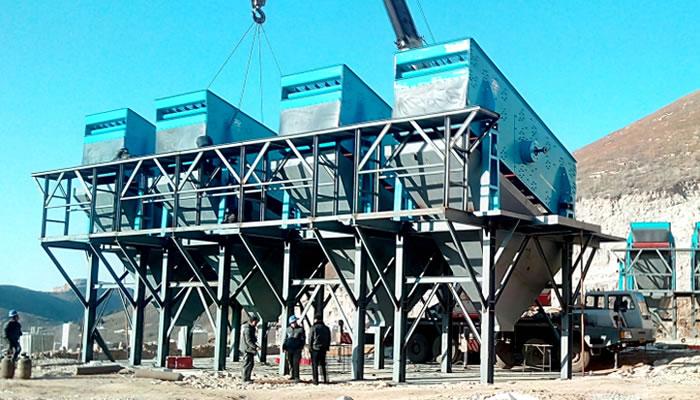
The above are the various hematite mining equipment and machinery required for hematite beneficiation production lines. Our company has advanced roasting hematite beneficiation processes and environmentally friendly hematite desiliconization equipment. We can provide you with iron ore project design, hematite beneficiation process design, and tailor-made equipment selection plans. We design and manufacture products based on your specific needs and provide you with technical operator training. We welcome new and old customers! There are many manufacturers of mineral processing equipment in China. As a professional mining equipment manufacturer, our company produces a rich variety and complete range of mining equipment with excellent quality and affordable prices, making it worth your purchase. We can also configure the appropriate production line according to user needs to help users establish higher-level hematite beneficiation lines.



