
Cryptocrystalline graphite ore beneficiation process
Cryptocrystalline graphite, also known as amorphous graphite, is an earthy mineral with crystals less than 1 μm in diameter and a specific surface area ranging from 1 to 5 m²/g. Cryptocrystalline graphite ore generally contains higher carbon than phaneritic graphite. Naturally pure graphite is extremely rare and is often associated with andalusite, mica, kaolin, and other minerals. Most cryptocrystalline graphite has a carbon content of 60%-85%, an ash content of 15%-22%, a volatile matter content of 1%-2%, and a moisture content of 2%-7%. A very small amount of raw ore can have a grade exceeding 90%. Therefore, selecting the appropriate beneficiation process for cryptocrystalline graphite ore is crucial.
Ore dressing is an important guarantee for the early stage of deep processing of minerals. According to the physical and chemical changes that occur during the impurity removal process, the cryptocrystalline graphite ore beneficiation process can be divided into: ① wet purification method, including flotation purification method, acid-base purification method, and hydrofluoric acid purification method; ② fire purification method, including chlorination purification method and high temperature impurity removal method.
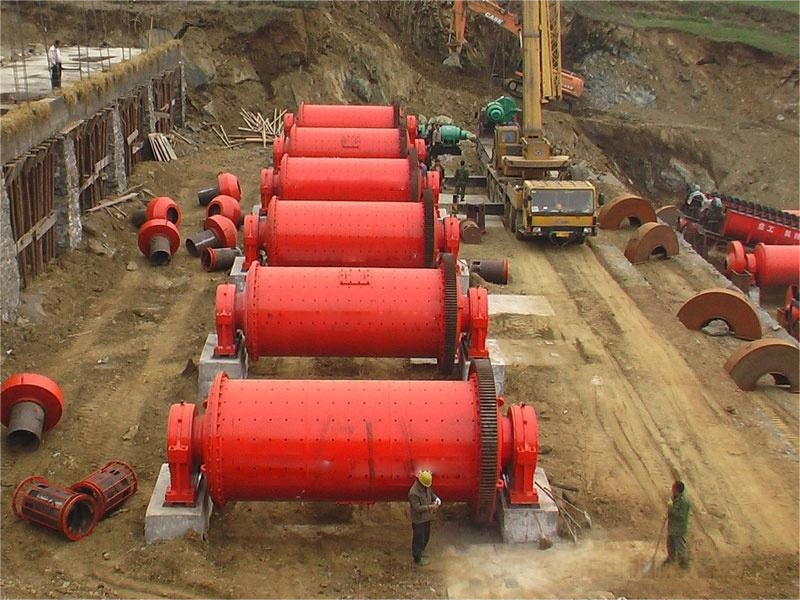
1. Cryptocrystalline Graphite Ore Beneficiation Process - Flotation Purification
Flotation is one of the most commonly used beneficiation methods. In provinces such as Shaanxi, Sichuan, and Jilin in my country, most cryptocrystalline graphite ore is low-carbon graphite, and flotation is generally used for graphite purification.
The size of graphite flakes is one of the key criteria for determining graphite quality. To protect the flakes, separation methods often employ multi-stage grinding, multiple separations, and regrinding and reseparation of coarse and concentrate ore, aiming to promptly select large flakes. Direct flotation is typically performed first, followed by reverse flotation of the selected product.
Coal tar is often used as a collector for cryptocrystalline graphite flotation; 2# oil and 4# oil are commonly used as frothers; and water glass and sodium fluorosilicate are commonly used as depressants. With the widespread application of flotation columns in mineral processing, they are also being used in graphite separation.
Flotation, a common wet purification method, boasts low energy consumption, minimal reagent usage, and low cost. However, the purity of graphite purified by flotation is limited, with concentrate grades generally ranging from 85% to 90%, often representing medium-carbon graphite. Therefore, flotation is primarily used for the initial purification of cryptocrystalline graphite. Obtaining high-carbon graphite requires further processing using chemical or pyrometallurgical purification methods.
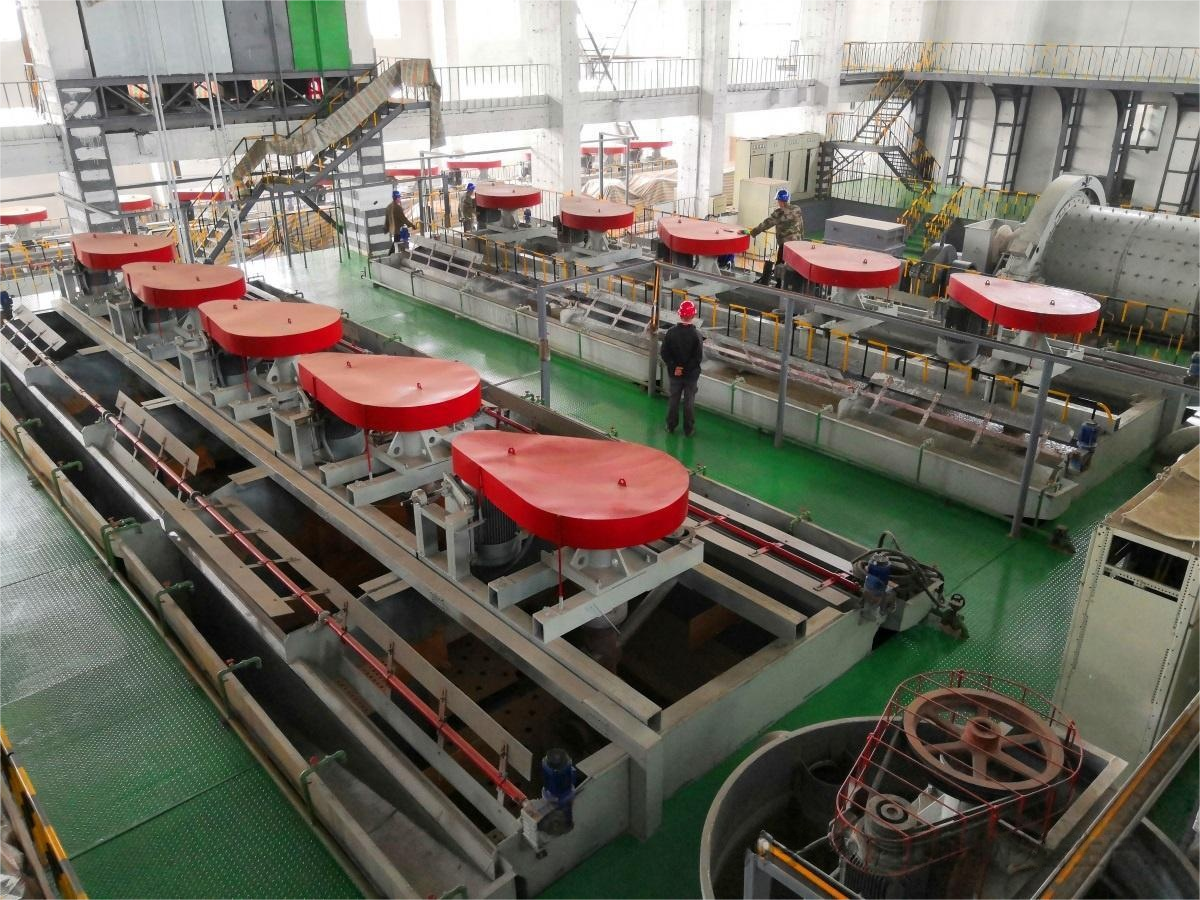
2. Cryptocrystalline Graphite Ore Beneficiation Process - Alkali-Acid Purification
The principle of cryptocrystalline graphite alkali-acid purification is to utilize graphite's acid and alkali resistance. Alkali and graphite are mixed in a uniform ratio and then calcined. The molten alkali reacts with some impurities in the graphite, such as silicates, aluminosilicates, and quartz, to form soluble silicates or acid-soluble silicates. This is then washed and desiliconized. The remaining impurities, which do not react with the alkali, are metal oxides and remain in the graphite after alkali fusion. The desiliconized product is then acid-leached to convert the metal oxides into soluble salts. The graphite is then purified through dehydration and washing.
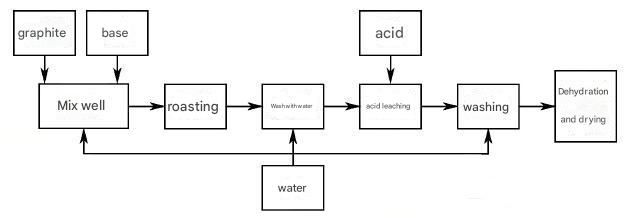
Cryptocrystalline Graphite Acid-Base Purification Process
To improve the purity of cryptocrystalline graphite products, activation pretreatment is typically performed on the raw graphite ore before alkaline or acid leaching, such as roasting. This calcined graphite enhances the reactivity of impurities in the graphite with the alkali and acid, accelerating impurity removal and resulting in significantly improved purification compared to untreated raw ore samples.
In China, the alkaline-acid method is widely used in Inner Mongolia, Shandong, and other regions. Its advantages include low initial investment, strong process adaptability, and relatively versatile equipment. Compared to flotation, this method produces a higher purity product, typically 99% high-carbon graphite, but it falls short of the required 99.9% purity. Its disadvantages include the required high-temperature roasting, which results in high energy consumption, low purification efficiency, significant equipment wear, and significant loss of valuable minerals.
3. Cryptocrystalline Graphite Ore Beneficiation Process - Hydrofluoric Acid Purification
Since silicates are generally dissolved by hydrofluoric acid, and graphite has good acid and corrosion resistance, hydrofluoric acid is generally used to purify graphite. The reaction principle is as follows: Graphite is mixed with liquid hydrofluoric acid. Impurities in the graphite react with the hydrofluoric acid to form water-soluble compounds and volatiles. These impurities are then removed by rinsing with water, followed by dehydration and drying to achieve purification. To minimize the precipitation of impurities such as calcium, magnesium, and iron during the reaction, a small amount of fluorosilicic acid, dilute HCl, HNO3, or H2SO4 is added to the hydrofluoric acid to eliminate unavoidable ions such as calcium, magnesium, and iron. The mechanism of action is similar to the alkaline-acid method: both methods first eliminate acid-insoluble impurities such as silicon dioxide and aluminum oxide, then use acid to remove other impurities. Finally, washing produces cryptocrystalline graphite with a high carbon content.
As early as the 20th century, the hydrofluoric acid method achieved industrial production. Compared to my country, other countries prefer the hydrofluoric acid method for graphite purification. Foreign researchers have shown that by reacting acidic ammonium fluoride or ammonium hydrogen fluoride with graphite, the carbon content of graphite powder can be purified from 93% carbon to 99.9%.
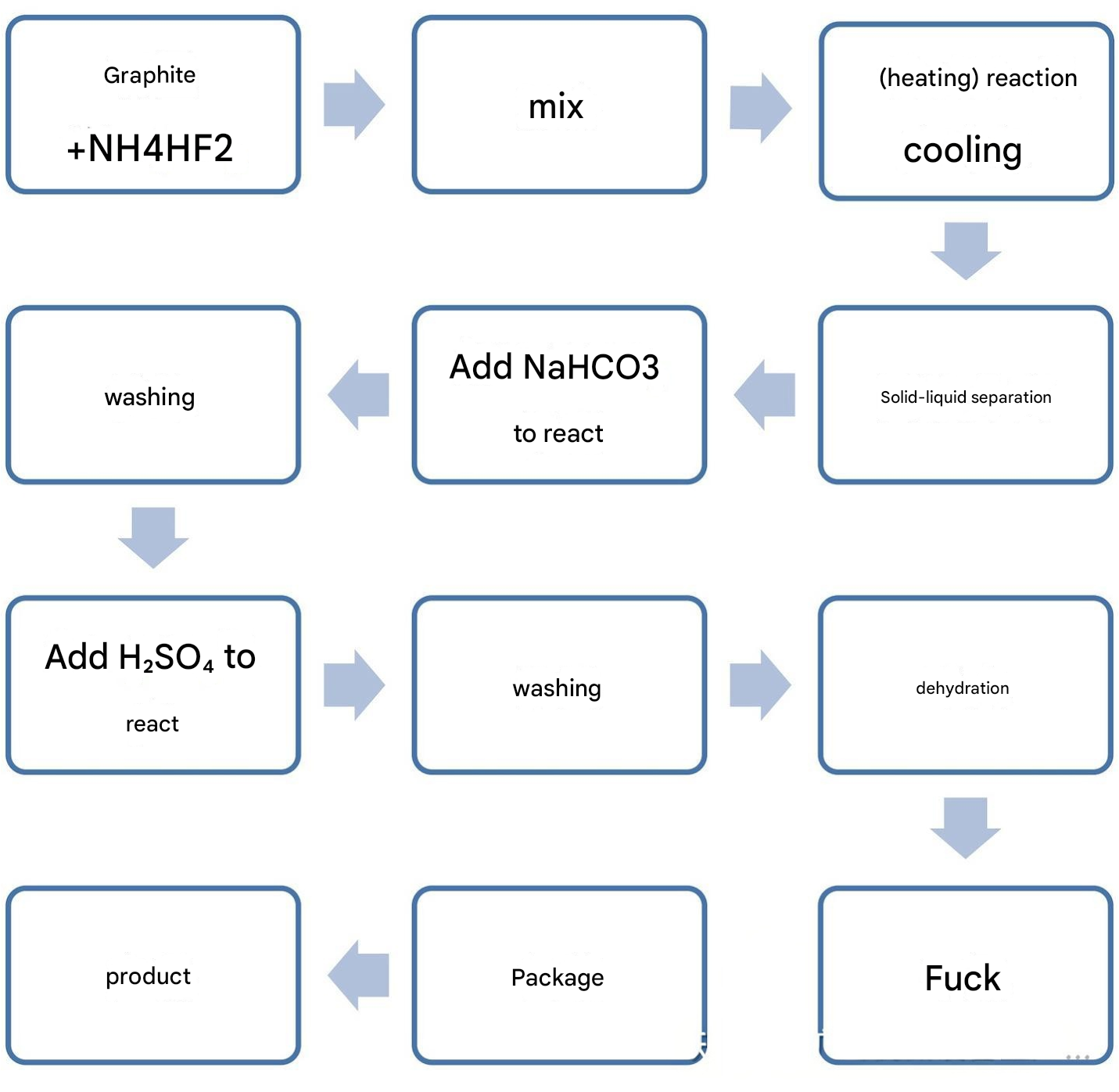
Purification of Cryptocrystalline Graphite-Acidic Ammonium Fluoride
The advantages of hydrofluoric acid purification include high purification efficiency, high product purity, low energy consumption, and minimal impact on product performance. However, HF is volatile and toxic, requiring strict safety precautions and wastewater treatment systems during the production process. Drawbacks include complex processes, high costs, strong corrosiveness, and significant environmental pollution, making large-scale production difficult.
4. Cryptocrystalline Graphite Ore Beneficiation Process - Chloride Roasting Purification
Chloride roasting is a common pyrometallurgical purification method. Its principle is to decompose impurities such as silicates, aluminosilicates, and quartz in graphite into oxides such as silicon dioxide, aluminum oxide, iron oxide, and calcium oxide under high-temperature heating conditions. A certain amount of reducing agent is added to the graphite powder and roasted at high temperature under a specific atmosphere. This causes a chlorination reaction between the oxide impurities and chlorine, converting the oxides into chlorides. Due to the relatively low melting and boiling points of chlorides, these chlorides vaporize and escape during the high-temperature roasting, thereby achieving the purpose of impurity removal and purification.
Chloride roasting offers advantages such as energy conservation, high purification efficiency, and high recovery rates. However, it suffers from unstable process conditions, high purification costs, and difficult exhaust gas treatment, which can cause serious air pollution. Furthermore, the toxicity of chlorine and its severe corrosion to equipment, coupled with poor controllability, have limited its widespread application.
Currently, the chloride roasting method is still in the exploratory development stage. Compared with the alkaline acid method, the hydrofluoric acid method, and the high-temperature method, this method has significant technical and economic advantages. If it can fully utilize the mature application technologies and wear-resistant and corrosion-resistant equipment of the metallurgical and chemical industries, this method will surely be industrialized and promoted in the future industrialization of graphite deep processing and purification.
5. Cryptocrystalline Graphite Ore Beneficiation Process - High-Temperature Purification Method
In nature, graphite has a melting point of 3773K, second only to diamond, far exceeding that of its silicates. The high-temperature purification method utilizes graphite's high-temperature resistance and the difference in melting and boiling points between graphite and impurities. Graphite is added to a graphitized graphite crucible and heated to 2700°C in a specialized purification furnace under specific conditions of inert and protective gases. After a period of reaction, the impurities vaporize and escape from the graphite, achieving the desired impurity removal.
The product of high-temperature purification is ultra-high-purity graphite with a carbon content exceeding 99.99%. However, this method also requires a high purity of the raw material, requiring a carbon content of at least 99%. The disadvantage is that the high-temperature method is limited to purifying high-purity raw materials and requires specialized high-temperature furnaces, resulting in high investment and production costs and strict operating techniques. In addition, the huge production costs caused by high-temperature electricity consumption also make the application field of this method extremely limited. The high-temperature method is only used for small-batch production of graphite when there are strict requirements on the carbon content of graphite products.
Cryptocrystalline graphite has crystals less than 1 μm in diameter, making it difficult to distinguish its crystal form under a microscope. It is also called microcrystalline graphite or earthy graphite. Cryptocrystalline graphite is tightly interwoven with gangue minerals, making it difficult to fully dissociate into its individual components. Therefore, the beneficiation process for cryptocrystalline graphite ore typically utilizes high-efficiency grinding equipment such as stirred mills or planetary mills for fine grinding, which fully dissociates the gangue minerals from the graphite, improving the quality of the subsequent flotation products.
Because the graphite particles in cryptocrystalline graphite are often embedded in clay, separation is difficult, making it a challenging ore to be separated. Cryptocrystalline graphite is characterized by high collector requirements, slow flotation speeds, low recoveries, and high tailings grades. The difficulty of flotation of cryptocrystalline graphite ore is related to the degree of ore grinding and the content of inhibitory organic matter in the ore. Flotation tailings often contain a high amount of graphite and are generally not suitable for waste. They can be used as low-grade foundry graphite. Cryptocrystalline graphite ore has a high grade, but the crystals often contain organic matter, which inhibits graphite production. While the ore is typically hand-selected and crushed to produce finished products, some require flotation enrichment. Due to low recovery rates, the final tailings are generally not discarded but instead used as low-grade foundry graphite. Because cryptocrystalline graphite is difficult to select, flotation only serves as a preliminary enrichment process. The concentrate and tailings can then be sold as different grades.
For example, cryptocrystalline graphite ore in a certain region has a low fixed carbon content and a high clay mineral content. Graphite and gangue minerals are closely intertwined and coexist, making it difficult to separate the individual graphite. Therefore, the cryptocrystalline graphite beneficiation process can achieve the separation of the individual minerals by reducing the coarse grinding fineness and increasing the number of regrinding cycles. Ultimately, through beneficiation test analysis, an open-circuit cryptocrystalline graphite beneficiation process was designed: one coarse grinding cycle, one roughing cycle, seven regrinding cycles, and eight concentrating cycles. This process achieves a fixed carbon content of 85.21% in the final concentrate.
As an important non-metallic strategic resource, graphite's effective purification, processing, and utilization deserve our attention. Cryptocrystalline graphite beneficiation processes each have their advantages and disadvantages. We can leverage their strengths and mitigate their weaknesses by adopting integrated processes such as hydrometallurgical-pyrometallurgical and mineral processing-metallurgical processes for purification.
In summary, the following issues should be considered in the cryptocrystalline graphite beneficiation process:
① Improving purification efficiency: Improve the reagent system, minimize or streamline processing steps, and select practical and efficient equipment to improve impurity removal efficiency.
② Avoiding secondary environmental pollution: Select reagents that are non-toxic, non-polluting, inexpensive, and widely available, or research new, green, environmentally friendly, and efficient reagents.
③ Energy conservation and consumption reduction: Considering processing costs, the addition of catalysts, pre-treatment of the raw ore, continuous operation, and wastewater recycling can minimize energy consumption and comprehensively recover resources, achieving environmentally sustainable development.
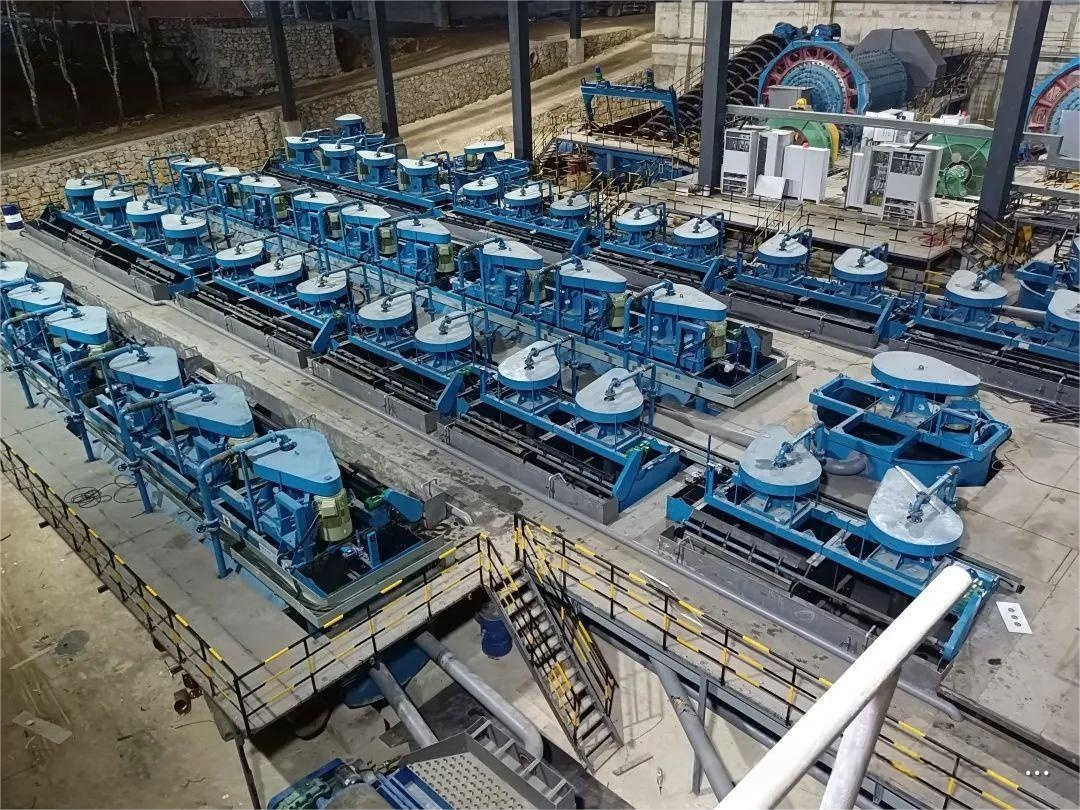
The above is a detailed introduction to the beneficiation process of cryptocrystalline graphite ore. In the actual beneficiation process, the selection of process methods needs to be based on the properties of the graphite ore. Therefore, a beneficiation test analysis is carried out first, and the appropriate graphite ore beneficiation process is designed based on the test analysis results. At the same time, a complete set of graphite ore beneficiation equipment can also be determined.



