
Flake graphite ore beneficiation process
Flake graphite, a natural graphite with a layered structure, is widely used in batteries, refractories, lubricants, and other fields due to its excellent conductivity, high-temperature resistance, and lubricity. However, natural flake graphite ore requires a complex beneficiation process to obtain a high-grade concentrate. This article systematically explains the flake graphite beneficiation process and equipment, covering key steps such as crushing and grinding, flotation separation, and dehydration. It also explores technical difficulties and optimization options based on practical examples.
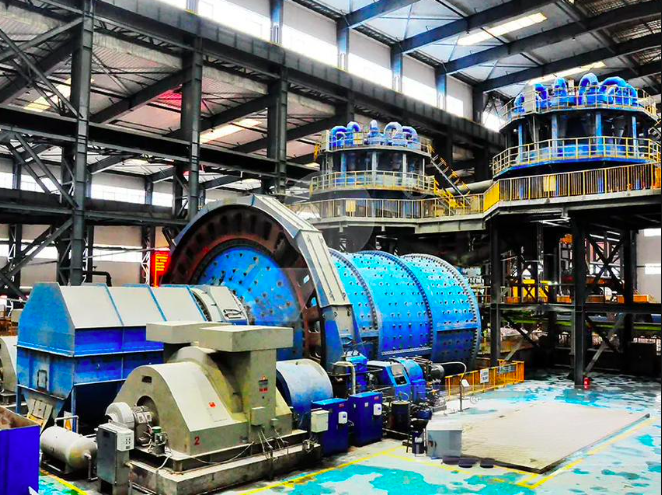
Flake Graphite Ore Properties and Beneficiation Difficulties: 1. Basic Ore Characteristics: Mineral Composition: Primarily flake graphite (3%-15%), accompanied by gangue minerals such as quartz, feldspar, mica, and pyrite. Embedment Characteristics: Graphite is embedded in the gangue in the form of flakes or scales, with uneven particle size (0.01-2 mm). Physical Properties: Naturally hydrophobic, with a density of 2.2-2.3 g/cm³, low hardness (Mohs hardness 1-2), and prone to mudification. 2. Beneficiation Difficulties: Preserving the Flake Structure: Excessive crushing can damage the graphite flakes, reducing their economic value. Efficient separation and sorting: Effective separation of graphite from fine-grained gangue is required, while avoiding mud contamination. Reagent System Optimization: Balancing flotation efficiency and concentrate grade is required to reduce reagent costs.
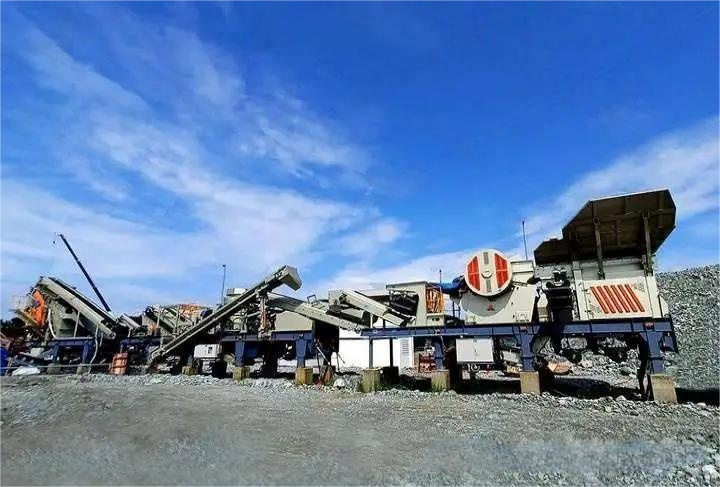
Detailed explanation of the flake graphite ore beneficiation process: The typical process includes four stages: crushing, grinding, flotation, and dehydration and drying. The detailed process flow is as follows: 1. Crushing and staged grinding: The purpose is to gradually separate the graphite from the gangue and protect the integrity of the flakes. Process: Primary crushing: The ore is crushed to <50 mm in a jaw crusher. Secondary crushing: A cone crusher further crushes the ore to <20 mm.
Stage Grinding
Coarse Grinding (First Stage Ball Mill): Grinds the ore to -0.3 mm to initially dissociate large flake graphite.
Regrinding (Second Stage Ball Mill or Vertical Mill): Grinds the coarse concentrate to -0.074 mm (90%) to fully dissociate fine inclusions.
Key Parameters:
Grinding Concentration: 60%-75%
Grinding Media: Rubber liners and low-steel wear balls are used to reduce iron contamination.
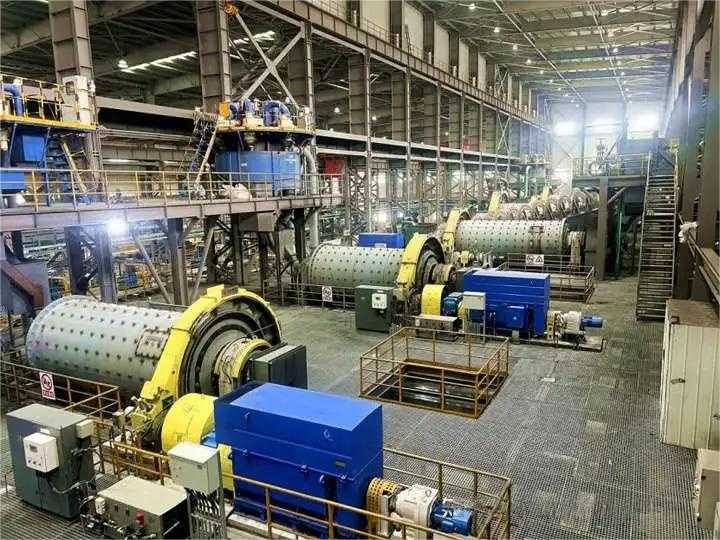
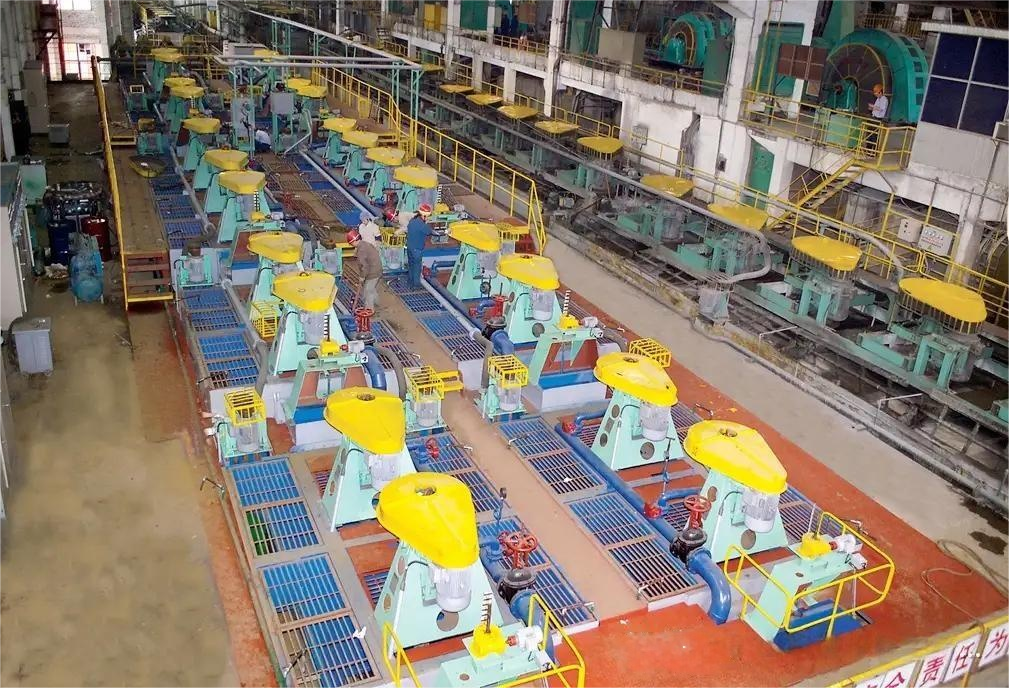
2. Flotation Process Principle: Graphite's natural hydrophobicity is utilized to separate it from hydrophilic gangue through bubble adsorption. Process: 1. Roughing: Reagent System: Kerosene (collector, 200-400 g/t), No. 2 oil (frother, 50-100 g/t), pH adjuster (lime, maintained at pH 8-9). Equipment: Mechanically agitated flotation cell, aeration rate 0.3-0.5 m³/(m²·min). Goal: Rapidly recover coarse graphite and produce a coarse concentrate (fixed carbon ≥ 50%). 2. Multi-stage concentrating (3-5 times): Gradually improves concentrate grade. Desludging cyclones are added before each concentrating stage to remove fine mud. The final concentrate can achieve a fixed carbon content of 90%-96%. 3. Scavenging: Recovers residual graphite from tailings, improving overall recovery. Technological Innovation: Branch flotation: Diverts roughing froth to different concentrating circuits to accommodate particle size differences. Column flotation machine application: Flotation columns are used in the selection stage to improve the efficiency of fine particle separation.
3. Dehydration and Drying 1. Concentration: Use a high-efficiency thickener to increase the concentration of the flotation concentrate to 40%-50%. 2. Filtration: Use a plate and frame filter press or a membrane filter press to obtain a filter cake with a moisture content of <20%. 3. Drying: Use a rotary drying kiln (temperature 200-300°C) to achieve a final product moisture content of ≤1%. Note: The drying temperature must be strictly controlled to prevent oxidation and deactivation of the graphite. A bag filter system is installed to recover dust.
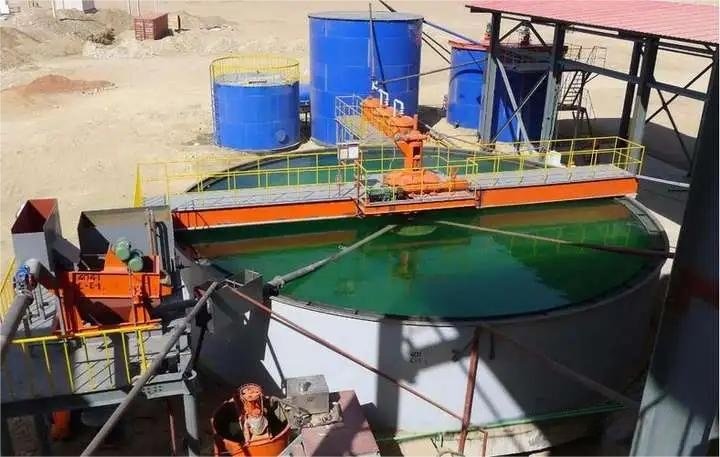
Key equipment selection and technical parameters of flake graphite ore beneficiation process
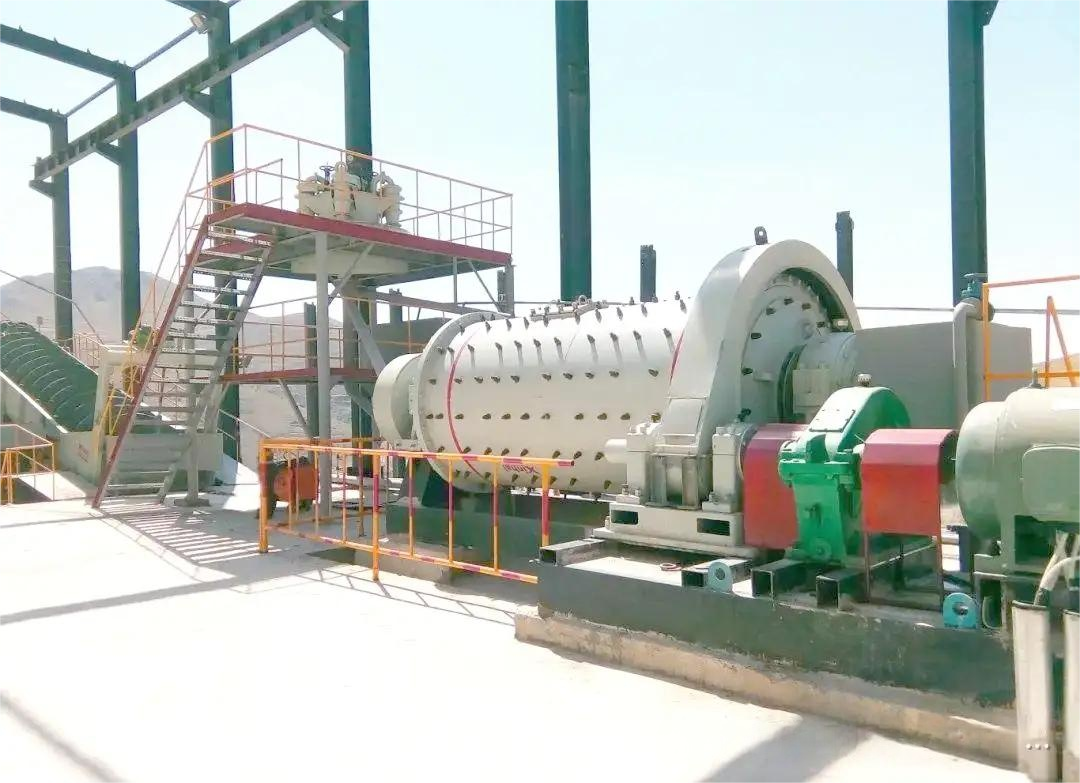
Flake graphite has excellent floatability, and its quality is closely related to flake size. Therefore, during the separation process, great care must be taken to protect large flakes from damage, which increases the difficulty of beneficiation. Traditional flake graphite beneficiation methods involve subjecting the coarse concentrate to multiple stages of regrinding and re-separation to recover the useful minerals as early as possible. However, this complex grinding-flotation process destroys most of the already dissociated large flakes. Therefore, multi-stage grinding and separation methods fail to protect the graphite flakes. Understanding the factors that cause flake damage and affect concentrate grade allows for process adjustments tailored to the specific needs of the flake graphite beneficiation process and equipment to improve beneficiation efficiency. These factors include grinding media, grinding fineness, number of regrinding stages, and flotation equipment. Let's explore these factors together. 1. The Impact of Grinding Equipment on the Flake Graphite Beneficiation Process: Regrinding efficiency directly impacts concentrate grade and large flake yield during the graphite beneficiation process. Therefore, selecting the right regrinding equipment is crucial. Different grinding media have varying effects on large graphite flakes. Due to the different ways in which they contact the mineral, their grinding efficiency and degree of protection for graphite flakes vary. Ball mills are ineffective in protecting large graphite flakes. A comparison of four different media shapes—ball, rod, cylindrical, and cylindrical—found that cylindrical media significantly protects graphite flakes in graphite grinding, primarily through surface contact.
2. The Impact of Flotation on the Process Flow of Flake Graphite Ore. Flake graphite has a non-polar surface, and neutral oil collectors are beneficial for flotation. However, graphite's inherent lubricity makes it difficult to separate from gangue minerals during grinding. Especially for the separation of fine-grained minerals, conventional flotation machines result in lengthy process flows and low efficiency. Therefore, a flotation process that preserves large flakes, collects more and more material early, and is simple should be selected.
3. The Impact of Regrinding on the Flake Graphite Ore Beneficiation Process. The graphite ore beneficiation process utilizes a single-stage coarse grinding process, followed by multiple stages of regrinding and separation of the coarse concentrate. This process can produce a higher-grade concentrate and effectively reduce the loss of large flake graphite, but the process is lengthy and the production cost is high. Improvements to the flake graphite regrinding process, replacing the traditional four-stage ball mill with a two-stage vibratory mill, not only simplify the process but also reduce the loss of graphite flakes, maintaining stable production indicators and significantly improving the grade of the final graphite concentrate. While increasing the number of regrinding stages has little effect on improving the final concentrate grade while maintaining the same total regrinding time, it significantly increases the yield of large flake graphite in the final concentrate, demonstrating the significant role of multi-stage regrinding in protecting large graphite flakes. The primary reason for this increased flake yield is that multi-stage regrinding reduces the damage to graphite flakes caused by gangue minerals during the grinding process. The main gangue minerals in flake graphite ore are quartz and pyroxene, which are much harder than graphite flakes. They have a strong grinding effect on the graphite flakes during the grinding process, causing the dissociated graphite flakes to be ground into pieces, thereby reducing the yield of large flakes. However, the use of multi-stage regrinding reduces the gangue mineral content in the latter stage of regrinding, reducing the grinding effect of gangue mineral particles on the graphite flakes, thereby increasing the yield of large graphite flakes.
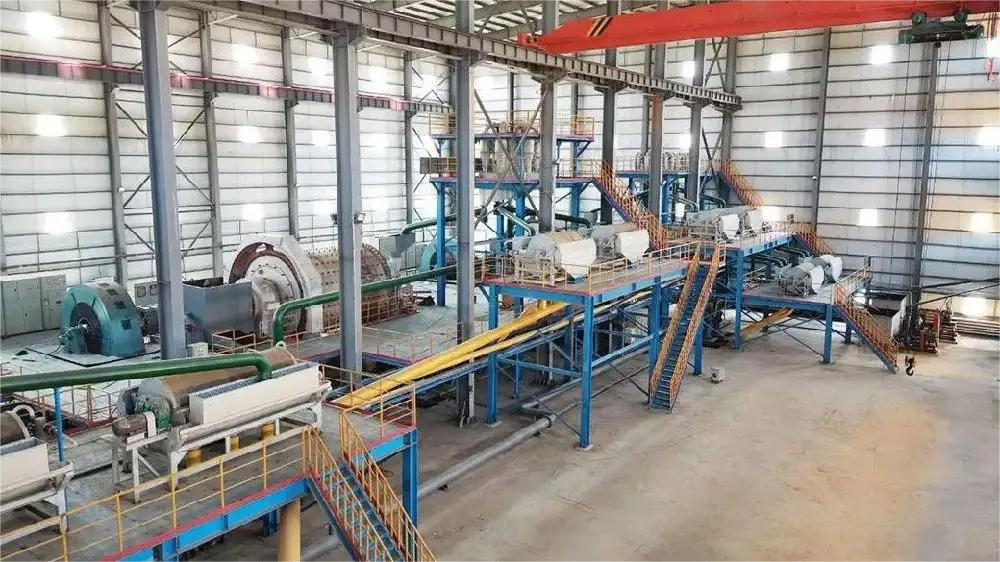
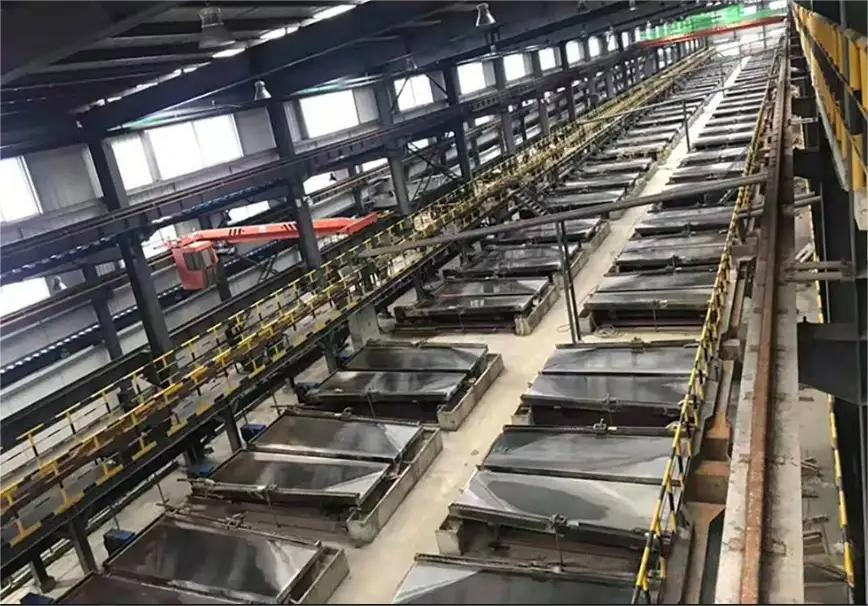
4. Impact of Gravity Separation on the Flake Graphite Ore Process. Large flake graphite possesses many unique properties, resulting in high economic value and strong competitiveness in the international market. During the separation process, graphite flakes are easily damaged due to their low hardness. Two major factors affect the yield of large flake graphite: first, the complex regrinding process during grinding, which leads to unnecessary over-grinding; second, the harder gangue during grinding damages the graphite flakes. Therefore, the dissociated large flakes should be recovered as early as possible during the separation process. Gangue, primarily quartz, has a similar specific gravity to pure graphite flakes, resulting in a small ratio. These minerals are extremely difficult to separate based solely on specific gravity differences. In practical production, in addition to the role of specific gravity differences in shaker gravity separation, minerals of varying shapes can also contribute to enrichment. The similar specific gravity of graphite flakes and gangue minerals creates a large surface area for the flakes to face the water during gravity separation, increasing resistance and reducing sinking velocity, resulting in the graphite residing on the upper surface of the bed. The gangue minerals have a small water-facing surface, reduced resistance, and faster sinking speed, so the gangue minerals are located at the bottom of the bed. Therefore, the graphite flakes and the gangue minerals are subjected to opposite forces from the water flow, which can produce obvious zoning and achieve the purpose of separation. The above are some factors that affect the beneficiation process of flake graphite ore. In production practice, avoiding factors that may damage large graphite flakes and affect separation efficiency can increase the recovery rate of concentrate and large graphite flakes, thereby improving resource utilization and the economic benefits of the beneficiation plant. Selecting a suitable graphite beneficiation method has an important impact on the effective recovery of concentrate.
Optimization directions for flake graphite ore beneficiation processes and equipment: 1. Improving pre-tailings discarding technology in the grinding process: Pre-discarding some tailings through gravity or magnetic separation after coarse grinding reduces subsequent processing volume. Application of high-pressure roller grinding: Achieving "more crushing, less grinding" to reduce over-crushing. 2. Innovative flotation reagents: Composite collectors: kerosene + diesel (3:1 ratio) to improve coarse particle recovery. Environmentally friendly inhibitors: Starch derivatives replace traditional sodium silicate to reduce wastewater treatment difficulties. 3. Intelligent control: Online particle size monitoring based on machine vision allows for dynamic adjustment of grinding parameters. A flotation foam image analysis system enables real-time optimization of reagent dosage.
A typical case study of flake graphite ore beneficiation process and equipment: A flake graphite beneficiation plant in China (200,000 tons/year processing capacity) produces ore with a fixed carbon content of 8.5% and flake particle size of 0.1-1.2 mm. The process involves three stages of crushing (jaw crusher + cone crusher + high-pressure roller grinding) → two stages of closed-circuit grinding (85% of -0.074 mm) → one coarse, three fine, and three scavenger flotation stages → dry tailings discharge. Technical indicators include a concentrate grade of 94.2%, a recovery of 91.5%, and a flake retention rate of ≥85%.
Flake graphite ore beneficiation process and equipment: Environmental protection and comprehensive resource utilization. Tailings treatment: Preparation of foamed ceramic or concrete aggregate. Backfilling of mined-out areas and revegetation. Wastewater recycling: Coagulation and sedimentation + activated carbon adsorption, with a reuse rate of ≥90%. The flake graphite ore beneficiation process and equipment must focus on "more crushing, less grinding, staged sorting, and efficient flotation." Through refined grinding and classification, a composite reagent system, and intelligent control, high-grade and high-recovery goals are achieved. Future development directions include the development of short-process processes, the production of ultra-pure graphite (≥99.9%), and resource utilization across the entire industry chain.



