
Carlin-type gold deposit beneficiation methods
Among various types of gold ores, Carlin-type gold deposits are a type of disseminated gold deposit mainly found in carbonate rocks. These deposits typically have low gold grades, large mineralization scale, and fine gold grain size. Their main gangue minerals include quartz, calcite, barite, and kaolinite, making them difficult to recover. Improper handling of harmful elements such as arsenic and mercury can easily cause environmental pollution. Below, we will guide you through the beneficiation methods and processes for Carlin-type gold ores.
The challenges of Carlin-type gold ore beneficiation lie in several aspects: ✦ The relatively low gold particle size increases the difficulty of grinding; ✦ Carbon in the ore may adsorb gold dissolved in precious metal solutions, making separation difficult; ✦ Toxic minerals such as arsenic and mercury in the ore hinder gold recovery. Therefore, simple gold ore beneficiation methods and processes are insufficient to achieve ideal separation results. Compared to ordinary sulfide gold ores, the beneficiation process for Carlin-type gold ores is far more complex.
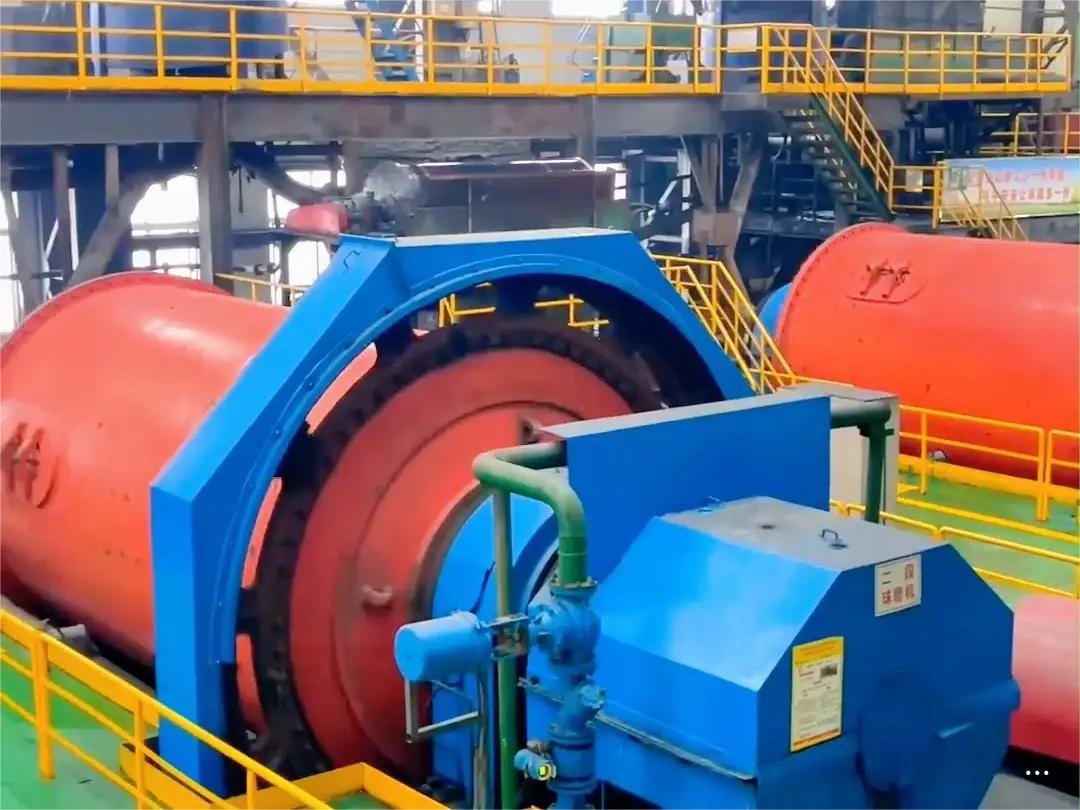
Carlin-type gold ore beneficiation methods: Based on the properties and characteristics of the ore, after crushing and grinding, Carlin-type gold ore beneficiation methods mainly include flotation, bio-oxidation or roasting, cyanide leaching, etc. Below, we will discuss in detail the beneficiation processes for carbonaceous gold ores, arsenic-bearing gold ores, silicon-sulfide gold ores, and silicon-bearing refractory gold ores. 1. Carbonaceous gold ore beneficiation methods: The organic carbon in carbonaceous ores originates from early marine algae. This organic carbon is transformed into oil parent rock, which, during the gold mineralization period, is subjected to hydrothermal action to form highly reactive pitch. Compared to the coconut shell carbon commonly used in carbon-in-pulp and carbon-leaching processes, the carbon in the minerals has a higher adsorption capacity for dissolved gold, causing the gold minerals in the ore to fail to remain normally in the cyanide solution. This phenomenon is commonly referred to as "gold robbery."
To avoid gold theft, this type of gold ore beneficiation process first requires neutralization through oxidation (such as roasting, oxidation, and bio-oxidation), followed by cyanide leaching to recover gold and achieve better beneficiation results. Furthermore, since carbon minerals have good floatability, pine oil or kerosene can be used as collectors for flotation separation of carbon minerals, significantly reducing the carbon content in the ore.
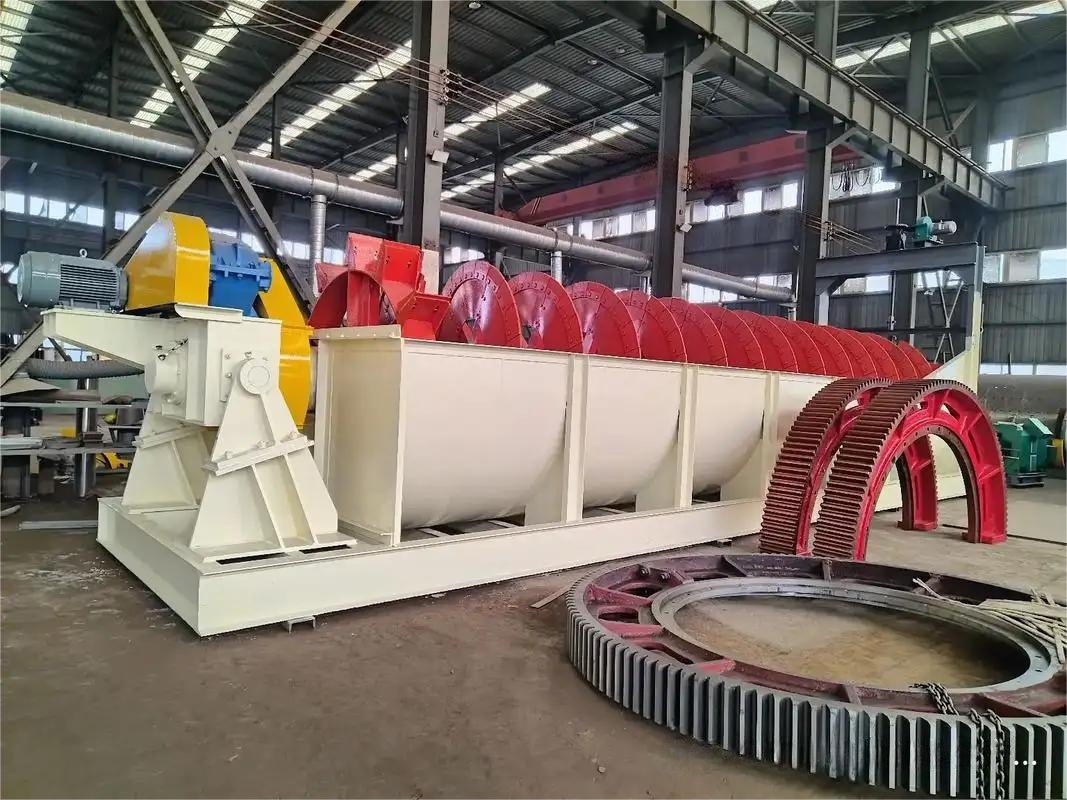
2. Beneficiation Methods for Arsenic-Bearing Gold Ores: In this type of gold ore, arsenic may react with the surface of pyrite to form arsenopyrite, making it unable to react with collectors and thus difficult to recover gold. Because the gold grains in Carlin-type gold ores are very fine, and the gold carrier mineral is mainly pyrite, which is tightly associated with arsenopyrite, flotation separation is quite difficult. For beneficiation of arsenic-bearing gold ores, aeration should be performed before flotation to promote ore oxidation and remove arsenic minerals from the surface of arsenopyrite. Simultaneously, strong collectors such as BK903G, BK302A, or MA should be used to improve the flotation effect on fine-grained gold and gold-carrying minerals. In addition, activators such as copper sulfate and lead nitrate can be added appropriately to improve the floatability of the gold carrier minerals.
3. For silicon-sulfide gold ores, beneficiation methods can be challenging because both pyrite and silicon can encapsulate gold particles, potentially leading to difficulties in beneficiation. Cyanides may react with sulfides before gold, affecting gold recovery. Therefore, high-pressure leaching or roasting methods can be used to recover gold from these ores. 4. For silicon-containing, difficult-to-beneficiate gold ores, when gold particles are encapsulated by poorly permeable silicon, they are difficult to recover directly. This phenomenon is called "silicon locking." Compared to carbon- and sulfide-containing ores, the beneficiation process for these gold ores is relatively simple. Appropriately increasing the grinding fineness during the grinding stage can improve gold recovery, followed by flotation or leaching to recover the gold minerals.
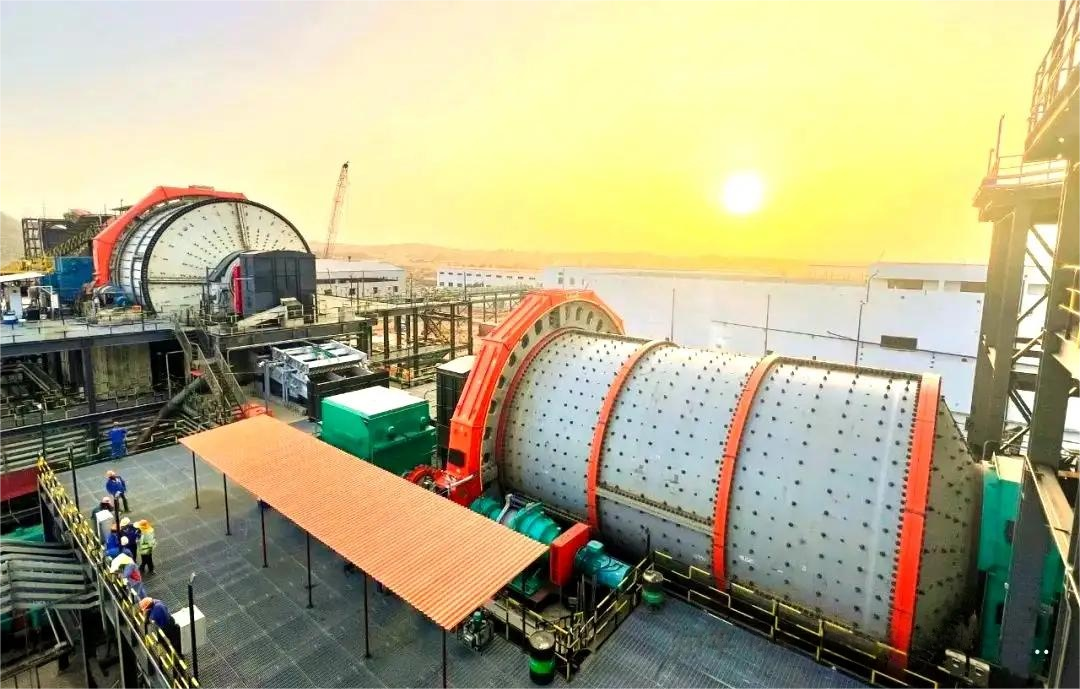
Carlin-type gold ore beneficiation process: The Carlin-type gold ore beneficiation process mainly includes several stages: pretreatment, flotation concentration, cyanide leaching, and subsequent treatment. 1. Carlin-type gold ore pretreatment: For some difficult-to-process raw ores, pre-oxidation treatment may be necessary, such as biological oxidation or pressure oxidation, to improve the solubility of gold. This step is particularly important for ores containing a large amount of carbonaceous material or high sulfide content. 2. Carlin-type gold ore flotation concentration: Flotation is one of the commonly used preliminary enrichment techniques for Carlin-type gold ore. By adding collectors and frothers to the pulp, the target minerals selectively adhere to the surface of bubbles and float to the surface, thereby achieving effective separation of valuable minerals from gangue minerals. For this type of fine-grained gold ore, optimizing the reagent system and adjusting the grinding fineness are key factors in improving the recovery rate.
3. After flotation, the concentrate obtained from the cyanide leaching of Carlin-type gold ore will then undergo cyanide leaching. This is one of the commonly used methods for extracting gold from ore. Under certain conditions (such as appropriate pH and temperature), using sodium cyanide solution as a solvent, gold can be dissolved to form a water-soluble complex [Au(CN)₂]⁻. To accelerate the reaction rate and improve the gold leaching efficiency, oxygen or other catalysts are sometimes added.
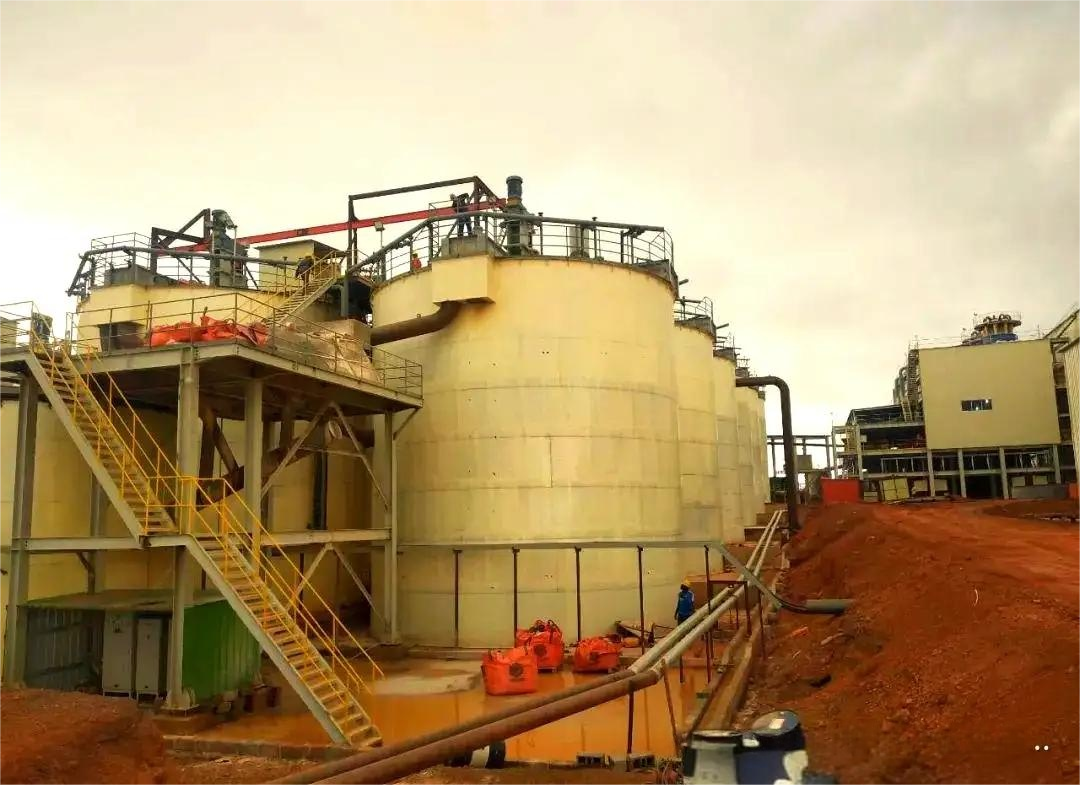
4. Carlin-type gold ore post-processing: Zinc powder replacement: A traditional method for recovering gold from leaching solutions, this involves adding zinc powder to a solution containing [Au(CN)₂]⁻, utilizing its stronger reducing power to precipitate the gold. Activated carbon adsorption: A more popular method in modern industrial production. Utilizing the strong affinity of activated carbon for [Au(CN)₂]⁻, gold ions are removed directly from the solution during leaching using a device containing an activated carbon column. The gold adsorbed on the activated carbon is then released through heating or other methods. Electrolytic deposition: In some cases, electrolysis can also be used to directly extract gold from the solution.
The beneficiation process for Carlin-type gold deposits mainly includes three steps: roughing, cleaning, and scavenging. In the roughing stage, a combination of leaching and flotation is used to effectively separate gold ore particles from the slurry. In the cleaning stage, a combination of flotation, magnetic separation, and alkaline leaching is employed to further remove impurities and sulfides, thereby improving the gold ore grade. The final scavenging stage involves further processing of the cleaning tailings to maximize gold recovery.
Refined Adjustment of Control Parameters in Carlin-Type Gold Ore Beneficiation Processes: In Carlin-type gold ore beneficiation processes, optimizing control parameters is crucial for improving gold ore processing efficiency. This includes adjusting the flotation machine's feed rate, froth height, and agitation speed to ensure optimal contact between gold ore particles and the froth. Simultaneously, chemical parameters such as pulp concentration, pH value, and the type and dosage of reagents used also require precise control to optimize pulp properties and reactivity.
Selection and Configuration of Reagent System in Carlin-Type Gold Ore Beneficiation Process: For the flotation treatment of high-sulfur, high-carbon Carlin-type gold ore, selecting a suitable reagent system is equally crucial. This typically includes multiple reagents such as collectors, frothers, and regulators. Collectors enhance the adsorption between gold ore particles and froth, frothers help improve bubble stability and froth persistence, and regulators optimize flotation efficiency by adjusting the pH and chemical properties of the pulp. In summary, by meticulously managing the Carlin-type gold ore beneficiation process, optimizing control parameters, and rationally selecting the reagent system, the flotation treatment effect of high-sulfur, high-carbon Carlin-type gold ore can be effectively improved, thereby increasing the gold ore recovery rate and grade. These strategies have achieved significant results in actual industrial production, providing valuable experience and reference for related fields.
The above outlines the beneficiation methods and processes for Carlin-type gold deposits. Since the composition of gold ore varies across different regions, the beneficiation processes also differ. Before selecting a Carlin-type gold deposit beneficiation process, it is essential to conduct beneficiation tests. The beneficiation process should be determined based on the test results to obtain the desired gold recovery targets using scientifically sound methods.



